PET AlOx Film for Transparent High-Barrier Packaging: How Buyers Protect Shelf Life Without Hiding the Product
Aug 09,2026 | FOSHAN CAILONG METALLIC PACKAGING MATERIAL CO.,LTD
PET AlOx Film Solves the Visibility-versus-Protection Problem
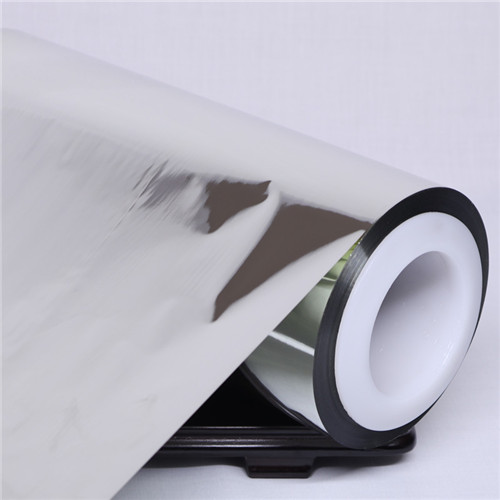
PET AlOx Film is designed for packaging projects in which the product must remain visible while receiving meaningful protection from oxygen and moisture. Conventional transparent films may provide good display quality but insufficient barrier for sensitive contents. Opaque metallized films and foil can provide protection, yet they hide the product and may not suit brands that depend on a clear window or full-pack transparency.
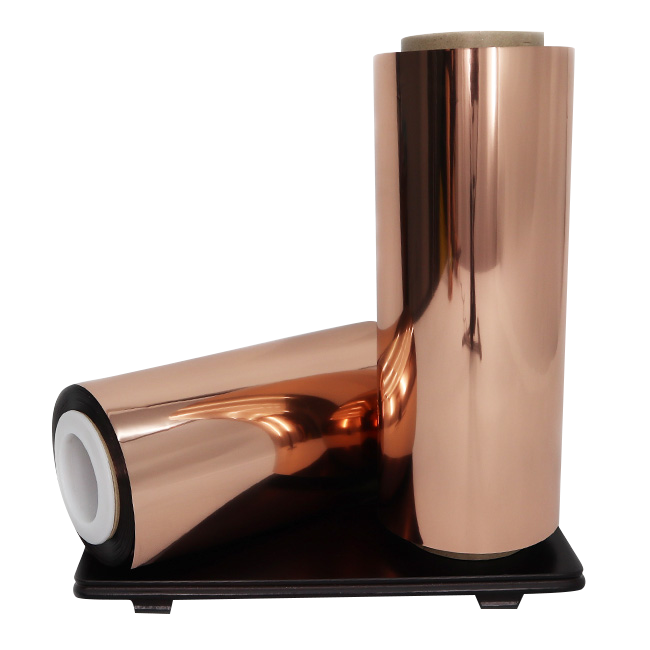
Cailong PET AlOx Film places a transparent aluminum oxide layer on a PET substrate. The resulting material retains light transmittance above 89% while improving barrier performance. Its coating adhesion exceeds 3.0 N/15 mm, supporting the integrity of the functional layer during converting. It can also be evaluated for packages intended for microwave heating.
For overseas buyers, the key question is not whether PET AlOx Film is generally “high barrier.” The real question is whether the film, after printing, lamination, pouch making, filling, sealing, heating, and distribution, can meet the exact visibility and shelf-life requirements of the finished package.
PET AlOx Film Performance That Buyers Should Qualify
Transparency Above 89% Supports Product Presentation
Light transmittance above 89% allows consumers, inspectors, and production teams to see the packaged product. This is useful for cooked foods, tea, flavors, fragrances, and other products where color, texture, fill level, or appearance influences purchasing and quality control.
Transparency should still be evaluated on the complete laminate. Ink coverage, adhesive selection, sealant layers, haze, surface scratches, and processing heat can change the final appearance. A clear laboratory film sample does not guarantee that a printed pouch or lidding structure will deliver the same visibility.
Buyers should approve the finished construction under the lighting conditions used in retail, production, or inspection. If the package includes a clear window and printed areas, both zones should be reviewed after actual converting.
Coating Adhesion Above 3.0 N/15 mm Protects Functional Integrity
The AlOx layer must remain attached to the PET substrate during printing, lamination, slitting, folding, and package production. Cailong PET AlOx Film provides coating adhesion above 3.0 N/15 mm. This helps reduce the risk that the functional layer will transfer, separate, or become unstable during downstream processing.
The stated adhesion value should not be confused with the peel strength of a completed laminate. Final bond performance also depends on the adhesive, ink, treatment level, companion film, curing conditions, and product contents. Buyers should therefore inspect both AlOx-layer integrity and fully cured laminate strength.
When comparing supplier data, ask for the test method and conditioning conditions. Values obtained through different procedures may not be directly comparable.
Microwave-Heating Compatibility Requires Package-Level Testing
Cailong PET AlOx Film can be used in microwave-heating applications, an important advantage for ready meals and cooked-food packaging. However, microwave suitability must be confirmed for the complete package rather than assumed from the film alone.
The package may contain inks, adhesives, sealants, valves, labels, or rigid trays. Product composition, fill weight, heating time, temperature distribution, venting, and package geometry can all affect performance. Buyers should test representative filled packages using the intended microwave instructions and evaluate deformation, seal integrity, leakage, appearance, odor, and barrier retention.
Define the Product’s Real Barrier Requirement
Barrier selection should begin with the contents, not with a generic material description. Oxygen can drive oxidation, aroma loss, color change, and ingredient deterioration. Moisture can soften dry products, change powder flow, or alter food texture. The correct balance depends on the product and its distribution environment.
Before requesting PET AlOx Film, a buyer should define:
Target shelf life and acceptable quality change
Product sensitivity to oxygen and moisture
Required product visibility and allowable haze
Filling temperature and sealing process
Storage temperature and humidity
Microwave or reheating conditions
Expected flexing, folding, and transportation stress
Package format, laminate structure, and sealant layer
Barrier figures are meaningful only when test conditions are known. Temperature, humidity, test method, film condition, and laminate construction influence results. The most useful data comes from the converted laminate and finished package tested under representative conditions.
PET AlOx Film Applications and Buyer Priorities
Cooked-Food and Ready-Meal Packaging
Cooked foods may require visibility, oxygen and moisture protection, secure seals, and reheating convenience. PET AlOx Film can support these goals while allowing the contents to remain visible. Buyers should pay particular attention to hot filling, oil or sauce contact, seal contamination, microwave instructions, and package deformation during heating.
Shelf-life work should use the actual food formulation. Fat content, acidity, aroma, water activity, and headspace can affect package performance. A structure that works for one prepared meal should not be approved automatically for another.
Tea, Flavors, and Fragrances
Tea, flavors, and fragrances are often selected for aroma quality. Oxygen and moisture exposure can weaken or alter sensory performance, while a transparent pack may help customers inspect color and physical condition.
For these products, buyers should evaluate aroma retention, moisture control, seal integrity, and interaction with inks or adhesives. Strong-smelling contents may also require migration and compatibility testing. The final package should be assessed after storage, not only immediately after filling.
Pharmaceutical and Technical Packaging
Transparent barrier packaging can also be relevant where visual inspection and environmental protection are both required. Pharmaceutical and technical uses normally demand stricter control of cleanliness, traceability, sealing, migration, and documented qualification.
PET AlOx Film should not be presented as universally suitable for these applications. Approval must be based on the exact grade, full package structure, target market, product-contact conditions, and applicable customer requirements.
Printing, Lamination, and Converting PET AlOx Film
Protect the Coated Surface
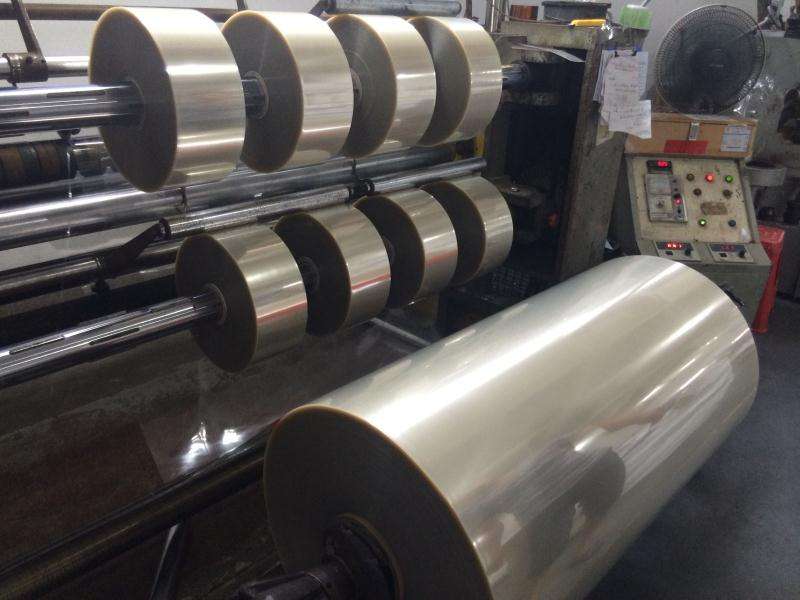
The transparent AlOx layer is functional and should be handled carefully. Excessive tension, rough rollers, scratching, sharp creasing, or unsuitable nip pressure may damage the coating and reduce barrier consistency. Roll orientation should be clearly identified so the converter knows which side is intended for printing or lamination.
Production trials should evaluate web flatness, register, ink adhesion, adhesive wetting, drying temperature, winding quality, and surface appearance. Clean handling matters because scratches or contamination can be more visible on a transparent package.
Validate Adhesive and Ink Compatibility
An adhesive system that performs well on ordinary PET may behave differently on an AlOx-coated surface. Buyers and converters should test initial bond, fully cured bond, coating transfer, optical clarity, odor, residual solvent, and barrier retention.
Do not judge the laminate before the adhesive has reached its intended cure. The trial should use the actual coating weight, line speed, drying conditions, and companion film planned for production. Printed and unprinted areas may need separate evaluation.
Measure Barrier after Conversion
The original film is only the starting point. Printing, lamination, slitting, pouch making, folding, sealing, and transportation can create microscopic damage. Barrier performance should therefore be checked after the main converting stages and on the finished package.
A useful qualification sequence compares the incoming film, cured laminate, formed package, and package after simulated storage or distribution. This helps identify where any loss occurs and prevents a converter from blaming the wrong interface.
Evaluating PET AlOx Film as a Material Replacement
Cailong PET AlOx Film can be evaluated as an alternative to BOPA, EVOH, and coextruded barrier films in suitable packaging structures. The objective may be to reduce cost, simplify the structure, improve transparency, add microwave compatibility, or improve barrier performance.
Replacement should be function-based. Buyers should list every job performed by the current structure: oxygen barrier, moisture barrier, toughness, puncture resistance, sealing, stiffness, heat resistance, transparency, and product compatibility. PET AlOx Film should then be tested against those requirements in the proposed laminate.
No replacement is universal. A film may improve one function while requiring changes to adhesive, sealant, thickness, or processing settings. The correct comparison is total finished-package performance and cost, not price per kilogram alone.
Quality-Control Requirements for International Buyers
Transparent barrier film demands consistent coating, appearance, dimensions, and roll formation. Incoming inspection should include width, thickness, roll condition, surface defects, clarity, and correct side identification. Coating adhesion and relevant barrier data should be reviewed under clearly stated test conditions.
Buyers should ask the supplier:
How is light transmittance measured and controlled?
How is coating adhesion above 3.0 N/15 mm verified?
Which barrier tests are available, and under what conditions?
Which side should be printed or laminated?
What handling and storage conditions are recommended?
Can trial rolls be supplied for the intended process?
How are rolls identified for batch traceability?
What application information is needed before material selection?
Good supplier evaluation connects material data with converting reality. Sample testing should be followed by a representative production trial rather than immediate full-scale substitution.
Recommended PET AlOx Film Qualification Process
Begin with a written requirement covering product sensitivity, shelf life, transparency, microwave use, package format, laminate structure, and production speed. Review available film data and select a representative trial roll.
Next, run printing and lamination trials with the intended ink, adhesive, and sealant. Allow full cure, then measure bond behavior, appearance, coating integrity, and barrier retention. Convert the laminate into actual packages and test filling, sealing, heating, leakage, handling, and distribution.
Finally, conduct shelf-life work with the real product and repeat critical checks on more than one representative batch. Commercial approval should depend on repeatable finished-package performance.
Conclusion
Cailong PET AlOx Film combines light transmittance above 89%, coating adhesion above 3.0 N/15 mm, transparent oxygen and moisture protection, and compatibility with microwave-heating applications. It can be considered for cooked foods, tea, flavors, fragrances, pharmaceutical products, and other packages that need visibility together with barrier performance.
The strongest buying decision is based on the complete package. By defining shelf-life needs, validating adhesives and inks, protecting the coated surface, and testing after converting and microwave heating, overseas buyers can use PET AlOx Film to create clear packaging without treating transparency and product protection as opposing goals.
Comment