Why PLA AlOx Film Is Attracting International Packaging Buyers
PLA AlOx Film addresses a difficult packaging question: how can a brand improve barrier performance and maintain a clear product window while moving toward a bio-based material? Conventional transparent films can be easy to process, but they may not support the environmental direction of a new package. Opaque metallized films can provide protection, but they hide the product. Untreated PLA can offer renewable-material value and clarity, yet oxygen- or moisture-sensitive products may require additional protection.
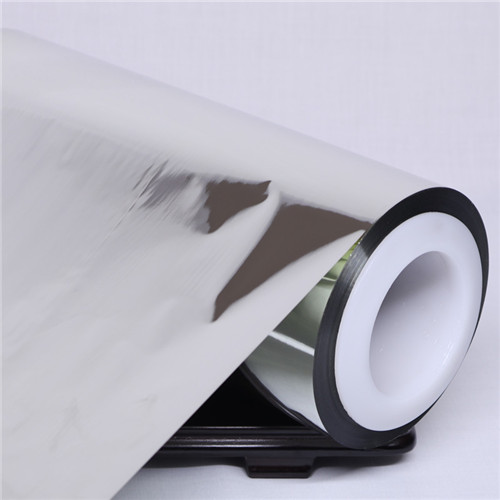
Cailong PLA AlOx Film combines a PLA substrate with a transparent aluminum oxide coating. PLA is produced from renewable plant resources such as corn and wheat. Under appropriate degradation conditions, the material can ultimately break down into carbon dioxide and water. The AlOx layer strengthens barrier performance without creating the opaque metallic appearance associated with conventional metallized film.
For overseas buyers, the commercial value lies in the combination: transparent presentation, improved barrier, heat sealing, printability, and a bio-based material platform. The correct decision, however, depends on whether this combination fits the product, packing line, target market, and waste-management pathway.
What the AlOx Layer Adds to PLA Film
AlOx is a thin aluminum oxide layer applied to the film surface. Its role is functional rather than decorative. It improves protection against gases and moisture while allowing the package to remain transparent.
That transparency can be important for premium foods, specialty ingredients, healthcare products, and other items for which buyers want consumers or quality-control teams to see the contents. It can also support transparent windows in printed designs without giving up the barrier contribution of the coated area.
The coating does not eliminate the need for package engineering. Barrier performance can change after printing, lamination, folding, sealing, or transportation. Buyers should therefore treat the original-film data as the starting point and verify performance after every converting stage that may stress the coating.
Matching PLA AlOx Film to the Real Shelf-Life Requirement
“High barrier” is not a universal specification. A dry snack that mainly needs moisture protection has a different requirement from tea, flavor ingredients, pharmaceuticals, or products sensitive to oxidation. Before asking for a film recommendation, the buyer should define the failure mechanism that the package must control.
Useful project inputs include:
Target shelf life and acceptable quality change
Sensitivity to oxygen, moisture, aroma loss, and light
Product oil, flavor, or active-ingredient content
Filling temperature and sealing process
Storage temperature and humidity
Distribution time and mechanical handling
Whether the package will be folded, flexed, or compressed
Barrier figures should always be considered with their test conditions. Temperature, humidity, film thickness, and test method can affect the result. A value measured on an undamaged laboratory specimen should not be assumed to represent the final pouch after printing, adhesive curing, bag making, and shipment.
Transparency as a Functional Buying Criterion
Clear packaging is often discussed as a marketing feature, but it can also support practical inspection. Product visibility may help a consumer assess color, particle size, fill level, or appearance. It may allow a packer to identify contamination or filling defects more easily. For specialty ingredients, a transparent structure can help communicate authenticity and quality.
Buyers should define what “clear” means for the project. Important questions include whether the package must display the product accurately, whether haze is acceptable, whether printed colors will sit over the transparent barrier area, and whether the appearance remains stable after lamination and heat sealing.
Because AlOx is transparent, it does not provide the same light-shielding function as an opaque metal layer. If the product is highly sensitive to visible or ultraviolet light, transparency may conflict with protection. In that case, the laminate may need printed light-blocking areas, another protective layer, or an opaque barrier solution. The decision should be based on the product rather than appearance alone.
Environmental Claims Require Precise Language
PLA is bio-based, and under suitable conditions it can degrade into carbon dioxide and water. These are meaningful attributes, but they should not be turned into broad claims that the finished package cannot support.
Biodegradable, compostable, and bio-based do not mean the same thing. Actual degradation depends on temperature, moisture, microorganisms, thickness, and treatment conditions. A commercial package may also contain inks, adhesives, sealants, labels, zippers, and other components. The end-of-life behavior of the entire structure cannot be determined from the PLA substrate alone.
Before publishing an environmental statement, international buyers should clarify:
The exact claim required in the destination market
Whether industrial or home-composting conditions are intended
Which test method or certification the customer expects
Whether all laminate components support the proposed claim
How the package will be collected and treated after use
What disposal language may appear on the pack
Cailong PLA AlOx Film can provide a bio-based foundation for package development, but compliance and environmental communication must be confirmed for the finished structure and target jurisdiction.
Converting PLA AlOx Film into a Reliable Package
Heat Sealing and Package Integrity
Cailong PLA AlOx Film offers heat-sealing performance, an important advantage for flexible-packaging production. Nevertheless, converters should establish a process window for the selected film and structure rather than copying settings from PE, PP, or PET.
Seal temperature, pressure, dwell time, film thickness, and equipment speed interact. Excessive heat may distort the web or reduce appearance quality. Insufficient heat or pressure can create weak or incomplete seals. Product contamination in the seal area may introduce another failure mode.
Qualification should include seal-strength and leak testing with the actual product and package geometry. A barrier film cannot deliver the intended shelf life if the seal allows gas or moisture to enter. For this reason, barrier selection and seal development should proceed as one project.
Printing, Lamination, and Web Handling
PLA AlOx Film offers printing adaptability, but the converter still needs to match ink, adhesive, drying, and web-handling conditions to the film. The intended print or laminate surface should be identified before the trial.
Key production checks include:
Ink wetting, adhesion, color, and registration
Adhesive compatibility with the coated surface
Drying temperature and residual solvent control
Web tension, flatness, and winding behavior
Coating condition after rollers and nip pressure
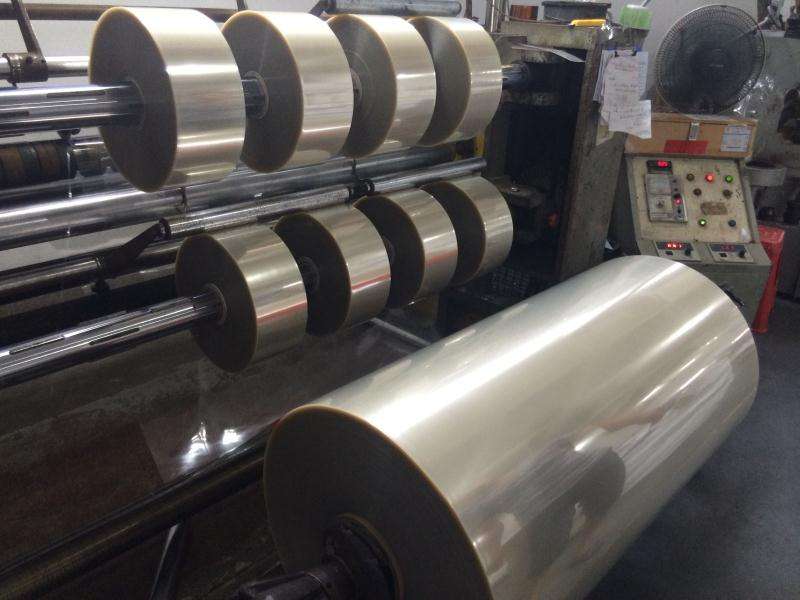
Slitting quality and edge cleanliness
Bond strength after complete adhesive cure
Barrier retention after pouch making
PLA may respond differently from conventional packaging films. Excessive tension or heat can cause distortion, curling, or register variation. Rough rollers, sharp folds, and uncontrolled nip pressure may damage the thin barrier layer. A controlled pilot run helps the converter establish stable settings before a full commercial order.
Applications for PLA AlOx Film
Cailong PLA AlOx Film can be evaluated for food, pharmaceutical, and other higher-value packaging applications that benefit from transparency and improved barrier performance. Potential food uses include dry snacks, tea, confectionery, seasonings, dried foods, and specialty ingredients. The actual fit depends on the product’s sensitivity and required shelf life.
For pharmaceutical or healthcare packaging, the qualification standard is generally more demanding. Moisture, oxygen, seal integrity, cleanliness, traceability, and regulatory requirements must be considered for the complete package. The film should not be described as universally suitable for pharmaceutical use; approval must follow application-specific testing.
The same principle applies to any product with aggressive flavors, oils, active ingredients, or unusual filling conditions. Compatibility should be demonstrated with the actual contents, not inferred from a generic material description.
Quality-Control Questions for a PLA AlOx Film Supplier
A credible supplier evaluation should go beyond a sample that looks clear. Buyers should request information that supports repeatable production and application testing.
Important questions include:
What barrier information is available and under which test conditions?
Which surface should be printed, laminated, or sealed?
What storage conditions are recommended?
How should the coated surface be protected during handling?
What film thicknesses and widths can be discussed for the project?
What roll-quality and surface inspections are performed?
Can trial material be supplied for printing and pouch tests?
What documentation is available for the intended market and use?
How is consistency evaluated from roll to roll and batch to batch?
The buyer should provide equally complete application information. Product sensitivity, filling method, laminate structure, adhesive, line speed, target shelf life, and environmental claim all influence the recommendation.
A Practical Qualification Sequence
Start by defining the product-protection target and the environmental message. Review available film information with the test conditions clearly stated. Next, run printing, lamination, and sealing trials on representative equipment. Allow adhesives to cure fully before judging bond strength.
Convert the trial laminate into the final package format and fill it with the actual product. Measure barrier and seal performance after converting, then conduct storage and transport simulations appropriate to the market. Examine transparency, coating integrity, print appearance, package odor, leakage, and product quality over time.
Commercial approval should depend on repeatable results from representative rolls, not one short laboratory sample. This process may take longer, but it reduces the risk of launching an environmental claim or shelf-life promise that the final package cannot reliably support.
Conclusion
Cailong PLA AlOx Film combines a renewable PLA substrate with a transparent aluminum oxide barrier layer. Its transparency, tear resistance, heat-sealing capability, print adaptability, and improved oxygen and moisture protection make it relevant to sustainable packaging projects that still require practical product protection.
Successful adoption depends on disciplined qualification. Buyers should match the film to the actual shelf-life target, confirm sealing and converting performance, evaluate light sensitivity, and verify environmental claims for the entire package. When those questions are answered with finished-package testing, PLA AlOx Film can provide a credible balance of visibility, function, and bio-based material value.