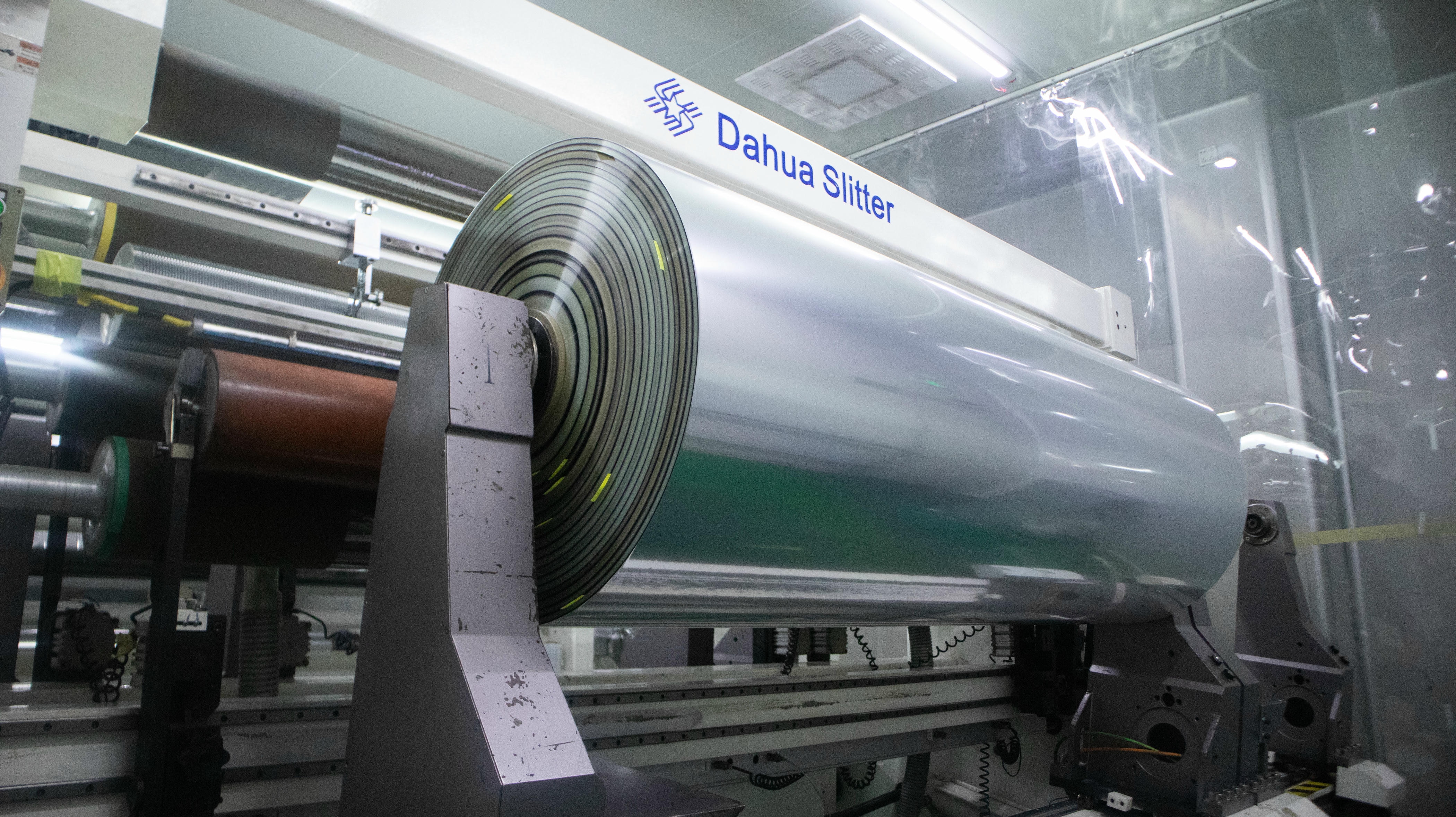
Metallized BOPA Film for Corner Puncture
Nov 13,2026 | FOSHAN CAILONG METALLIC PACKAGING MATERIAL CO.,LTD
A sharp corner on a rigid product can put the pouch wall under concentrated load. A bag may look intact at packing, then show a small tear where the product shifts against it in a case. Buyers comparing metallized BOPA film with their current barrier web should reproduce that contact during qualification. A strength value from a flat strip has limited value unless the test accounts for the corner geometry, available movement and surrounding layers in the finished pouch.
Cailong's film portfolio lists metallized BOPA as a nylon-based packaging film. Evaluate it as one layer of the intended laminate, with the sealing and outer layers specified for the trial. The nylon web provides a material option to compare when the existing barrier construction is vulnerable to localized contact. The complete pouch still needs to meet the buyer's criteria for puncture, seal integrity and barrier after handling.
Recreate the corner the pouch actually sees
Take a representative product from the normal supply and identify each corner that can contact the bag. Mark changes in geometry across allowable product variants, such as a moulded tip, a folded tray flange or an edge from a rigid insert. Keep that record with the package drawing. A round laboratory probe can help compare materials under controlled conditions, but the product itself may apply a different contact at the critical point.
Build trial packs with the normal clearance between the item and the bag. Compare units with the product centered and with its allowed movement toward the vulnerable side. If an internal support holds the product in place, include the support and note whether it can rotate. The test should capture how the corner arrives at the wall, because that path can change both the angle and the location of the load.
Establish a sequence for damage inspection
Photograph the pouch before handling and mark the initial product location. After an agreed handling stage, locate any defect before removing the item. Include close views from both faces where practical. Ask the technician to note whether the damage appeared as a dent, stretched area, opening or tear. When evidence is collected only after unpacking, it can be difficult to recover which corner produced which feature.
Inspect the exterior for a corresponding carton mark or pressure point. If the defect follows one carton position, reproduce that position with a control pack before changing the film. A narrow gap at the side of a case can hold the product against the pouch wall repeatedly. Moving the same pack to a looser position may alter the result without changing any of the materials. Record the case layout with the observed failures.
Keep strength and barrier observations linked
Agree on a controlled puncture comparison with the laboratory if it is part of the buyer's approval. Identify the specimen orientation and contact side, and retain the construction and material lot for each result. Use production-representative converted samples. If the candidate changes the adhesive, sealant or overall gauge as well as the barrier layer, report the comparison as a change to the complete laminate. That helps purchasing describe what the trial actually qualified.
Inspect apparently intact areas from stressed packs when reviewing barrier. A surface with a visible mark but no opening can still warrant a separate measurement if the buyer depends on oxygen or moisture protection. Use the same conditions for comparable specimens and document whether the results describe the laminate or the finished package. Keep gross leaks separate from transmission through intact material in the report.
Include adjacent seals in the review
If the corner can move into a side seam or base fold, include that orientation in the finished-pack test. Record how much free movement it has before reaching the seam. A product that loads an unsupported panel is a different case from one pressing on a thick seal junction. Examine both regions before attributing every failure to the puncture resistance of the barrier web.
Ask the converter to report the cut and sealed dimensions of the samples. If the pouch is made wider to improve clearance, compare the original and revised geometry using the same candidate laminate where possible. The larger pouch may reduce concentrated contact, but it can also change how the product moves in transit. Include package fit and finished seal condition when deciding which version to qualify.
Use the result to specify material and pack geometry
Send the supplier the proposed film gauge and roll width, the laminate construction and a photograph or drawing of the vulnerable corner. Include the product dimensions and the clearance to the pouch wall. If the supplier can only quote film, ask for the grade and available samples and arrange the converted trial with the converter. A film sample on its own cannot show the finished pack's response to a moving product.
If a corner insert or different arrangement is also being considered, give it a separate trial group. Keep the material decision tied to the package configuration that passed. Carry the inspection points into the next production review so a different box, tray or insert is recognized as a change to the tested configuration. This also helps the supplier interpret a later complaint when the laminate remains the same but the rigid item changes.
If the critical item has more than one permitted orientation, record the orientation at filling and at inspection. A packaging fixture may position the product consistently before transport, while the item can still rotate during distribution. Keep the range of realistic movement in the comparison and mark any intentional restraints.
Retain some packs from the original material and from the approved candidate under the same storage conditions. A later review can then compare the damage against the original failure. Keep the item orientation and the carton position in the record so a new buyer can repeat the handling comparison without guessing how the pack was assembled.
Comment