High Barrier Metallized BOPP Film and the Mono-Material Packaging Goal
High Barrier Metallized BOPP Film addresses a central challenge: protecting oxygen- and moisture-sensitive products while making the structure more compatible with PP recycling streams. Traditional laminates may combine several polymer families or aluminum foil, increasing sorting and recycling complexity.
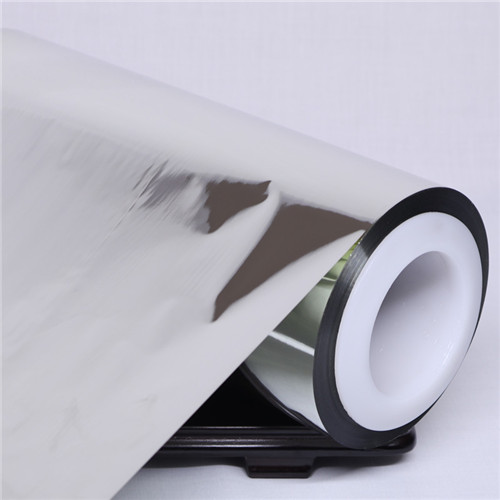
Cailong High Barrier Metallized BOPP Film uses a BOPP substrate with a thin aluminum layer. Its verified performance includes oxygen transmission as low as 0.12 cc/m²·24h, water-vapor transmission of 0.18 g/m²·24h, and aluminum-layer adhesion up to 3.5 N/15 mm. In a suitably designed PP-based laminate, the film can support a mono-material packaging strategy and may replace VMPET or aluminum foil.
The buyer’s task is to connect those material values to a real product, package, converting line, and recycling market. “Mono-material” and “recyclable” should be demonstrated for the finished construction, not assumed from one film layer.
Barrier Data That Connects Directly to Shelf Life
Oxygen Transmission Rate as Low as 0.12 cc/m²·24h
Oxygen can drive oxidation, flavor loss, discoloration, and deterioration of sensitive ingredients. Cailong High Barrier Metallized BOPP Film reaches an oxygen transmission rate as low as 0.12 cc/m²·24h. This makes it relevant to products such as dried fruit, snacks, and other goods whose quality depends on limiting oxygen exposure.
Buyers should request the test conditions behind an oxygen-transmission value. Temperature, humidity, film condition, and test method influence the result. Verify the intended laminate because printing, folds, seals, and handling can change package performance.
Water-Vapor Transmission Rate of 0.18 g/m²·24h
Moisture control is critical for products that must remain crisp, free-flowing, or dimensionally stable. A water-vapor transmission rate of 0.18 g/m²·24h helps High Barrier Metallized BOPP Film protect dry foods and moisture-sensitive contents.
The required moisture barrier depends on water activity, pack size, headspace, storage humidity, and shelf life. Test the finished pack under the climate conditions expected during warehousing and transport.
Aluminum-Layer Adhesion up to 3.5 N/15 mm
Barrier performance depends on the metal layer remaining securely attached to the BOPP substrate. Cailong High Barrier Metallized BOPP Film provides aluminum-layer adhesion up to 3.5 N/15 mm, supporting stability through lamination and converting.
This value is not the same as total laminate peel strength. A laminate contains several interfaces: aluminum to BOPP, adhesive to the metallized surface, adhesive to the companion film, and possibly ink or primer layers. Buyers should inspect where failure occurs rather than relying on one peel number.
Matching High Barrier Metallized BOPP Film to Product Risk
A barrier film should be selected from the product backward. Dried fruit may require control of both oxygen and moisture. Crisp snacks may be dominated by moisture gain. Daily-care products may need protection from humidity, light, or aroma loss, depending on the formulation.
Before choosing the film, define:
Target shelf life and acceptable quality limits
Oxygen and moisture sensitivity
Required light protection
Aroma-retention requirements
Filling temperature and product condition
Package size, headspace, and seal geometry
Storage and distribution climate
Expected flexing, compression, or puncture stress
This requirement set prevents over-specification and under-specification. It also gives the supplier and converter a useful basis for recommending a structure and planning trials.
Designing a PP Mono-Material Structure
Mono-Material Does Not Mean Single-Layer
A mono-material package can contain multiple functional PP-based layers for printability, barrier, and sealing. The objective is to keep the dominant polymer family compatible with the intended PP recycling pathway while meeting package requirements.
High Barrier Metallized BOPP Film can serve as the barrier layer within this type of construction. Because the deposited aluminum is extremely thin, the structure does not require the complex aluminum-plastic separation associated with some conventional laminates.
However, the final package may also contain inks, adhesives, coatings, labels, zippers, spouts, or valves. Buyers should evaluate every component and consult the relevant recycling guidance in the destination market before making a recyclability claim.
Recyclability Claims Must Be Market-Specific
Collection, sorting, and recycling infrastructure varies by country and region. A package technically designed around PP may still lack an effective recovery pathway in a particular market. Labels and claims should therefore reflect actual local conditions and applicable assessment methods.
International buyers should document the final structure, percentage of PP, non-PP components, metallization, and package format. If independent testing or customer approval is required, it should be planned before launch rather than treated as a marketing step after production.
Replacing VMPET or Aluminum Foil
Cailong High Barrier Metallized BOPP Film can be evaluated as a replacement for VMPET or aluminum foil in suitable packages. The potential benefits include a PP-based structure, lower material complexity, reduced package weight, good flexibility, and easier compatibility with high-speed converting.
Replacement must be based on function. Compare the proposed BOPP structure for oxygen and moisture barrier, light shielding, puncture behavior, folding, sealing, stiffness, print appearance, and shelf life.
The correct decision is not “BOPP is better than foil” or “BOPP is better than PET.” The correct decision is whether the new construction performs every required job at an acceptable total cost and supports the intended recycling pathway.
Converting High Barrier Metallized BOPP Film
Control Web Tension and Surface Damage
BOPP and metallized PET do not respond identically on a converting line. Optimize web tension, drying temperature, nip pressure, winding, and static control. Excessive tension, rough rollers, or sharp folds may damage the metal layer.
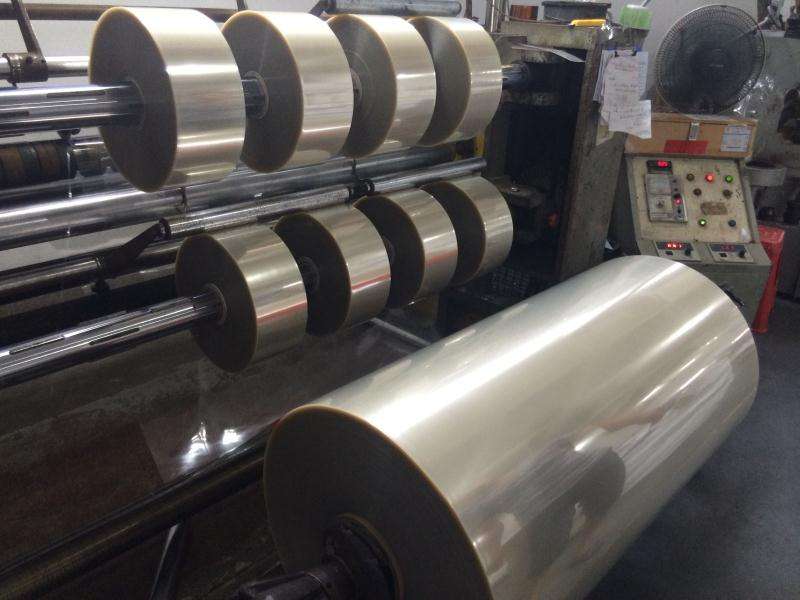
Converters should inspect unwind stability, flatness, register, wrinkle formation, roll hardness, and edge quality. The metallized surface should be protected from contamination and abrasion during slitting and storage.
Qualify Inks and Adhesives
Ink adhesion and laminate bonding depend on surface condition, treatment, adhesive chemistry, coating weight, drying, and cure. Trials should use the intended production materials and line speed. Evaluate initial bond, fully cured bond, metal transfer, residual solvent, appearance, and barrier retention.
Do not approve the laminate from an early peel test before full cure. The final package should also be checked after contact with the real product because oils, fragrances, or other ingredients may affect the adhesive system.
Build a Reliable Seal System
The barrier layer cannot protect the product if leakage occurs through an incomplete seal. Sealant selection and sealing conditions should be qualified together with the metallized BOPP structure.
Temperature, dwell time, pressure, line speed, seal contamination, and package geometry all influence seal integrity. Buyers should test seal strength, leakage, drop or compression performance, and storage aging using representative filled packages.
Applications for High Barrier Metallized BOPP Film
Snacks and Dried Fruit
Snacks and dried fruit often require moisture control, oxygen protection, aroma retention, and reliable seals. High Barrier Metallized BOPP Film can help maintain crispness and product quality while supporting a PP-based laminate.
Packaging trials should reproduce seasoning, oil content, product edges, filling dust, and real distribution conditions. Sharp product pieces may create puncture or flex stress that is not visible in a flat-film test.
Daily-Care Products
Daily-care products may need moisture, oxygen, light, or aroma protection. The exact requirement depends on the formulation and pack format. Buyers should test chemical compatibility, odor transfer, seal performance, and printed appearance.
No general barrier value proves suitability for every personal-care or household product. The final construction should be reviewed against the product safety and regulatory requirements of the target market.
Quality Consistency and Supplier Evaluation
Laboratory performance must be supported by consistent roll quality. Wrinkles, telescoping, poor edge alignment, coating variation, or surface damage can reduce production efficiency even if average barrier data appears strong.
International buyers should ask:
Under what conditions were OTR and WVTR measured?
How is aluminum-layer adhesion up to 3.5 N/15 mm tested?
How are coating uniformity and optical density controlled?
Which side is intended for lamination or printing?
What storage and handling conditions are recommended?
Can representative trial rolls be supplied?
How are width, roll formation, and edge quality inspected?
What batch-level quality information is available?
The supplier should receive the intended product, laminate structure, sealant, adhesive, line speed, shelf-life target, and destination market. Better input produces a more relevant material trial.
Total Cost beyond Film Price
High Barrier Metallized BOPP Film should be evaluated at the finished-package level. A PP-based structure may reduce material complexity and remove certain layers, but any benefit depends on yield and production stability.
The cost model should include usable area, adhesive and ink use, converting speed, scrap, curing, pouch yield, rejected packages, shelf-life loss, and waste objectives. A higher film price may be justified if it reduces layers, failure risk, or production waste.
Recommended Qualification Sequence
Start with a written packaging specification and review the verified OTR, WVTR, and adhesion data. Run a controlled printing and lamination trial, allow full cure, then test bond behavior and barrier retention. Convert the laminate into finished packs and perform sealing, handling, and distribution tests.
Conduct shelf-life work with the real product and assess recyclability on the final structure for the intended market. Repeat critical checks across representative material batches before commercial approval.
Conclusion
Cailong High Barrier Metallized BOPP Film provides OTR as low as 0.12 cc/m²·24h, WVTR of 0.18 g/m²·24h, and aluminum-layer adhesion up to 3.5 N/15 mm. It can support snacks, dried fruit, daily-care products, and other applications that need oxygen and moisture protection.
Its greatest strategic value is the potential to combine strong barrier performance with PP mono-material packaging design and suitable replacement of VMPET or aluminum foil. Successful use requires finished-package testing, disciplined converting control, reliable sealing, market-specific recycling assessment, and supplier qualification based on repeatable roll quality.