PET AlOx Film for Fresh Pasta Pouches
Oct 13,2026 | FOSHAN CAILONG METALLIC PACKAGING MATERIAL CO.,LTD
PET AlOx Film can be evaluated for clear fresh-pasta packs when the current laminate provides visibility but does not meet the product owner's defined storage requirement. The decision must include the pasta condition, package geometry and packing process. A transparent barrier web does not establish food safety or replace the specified distribution conditions.
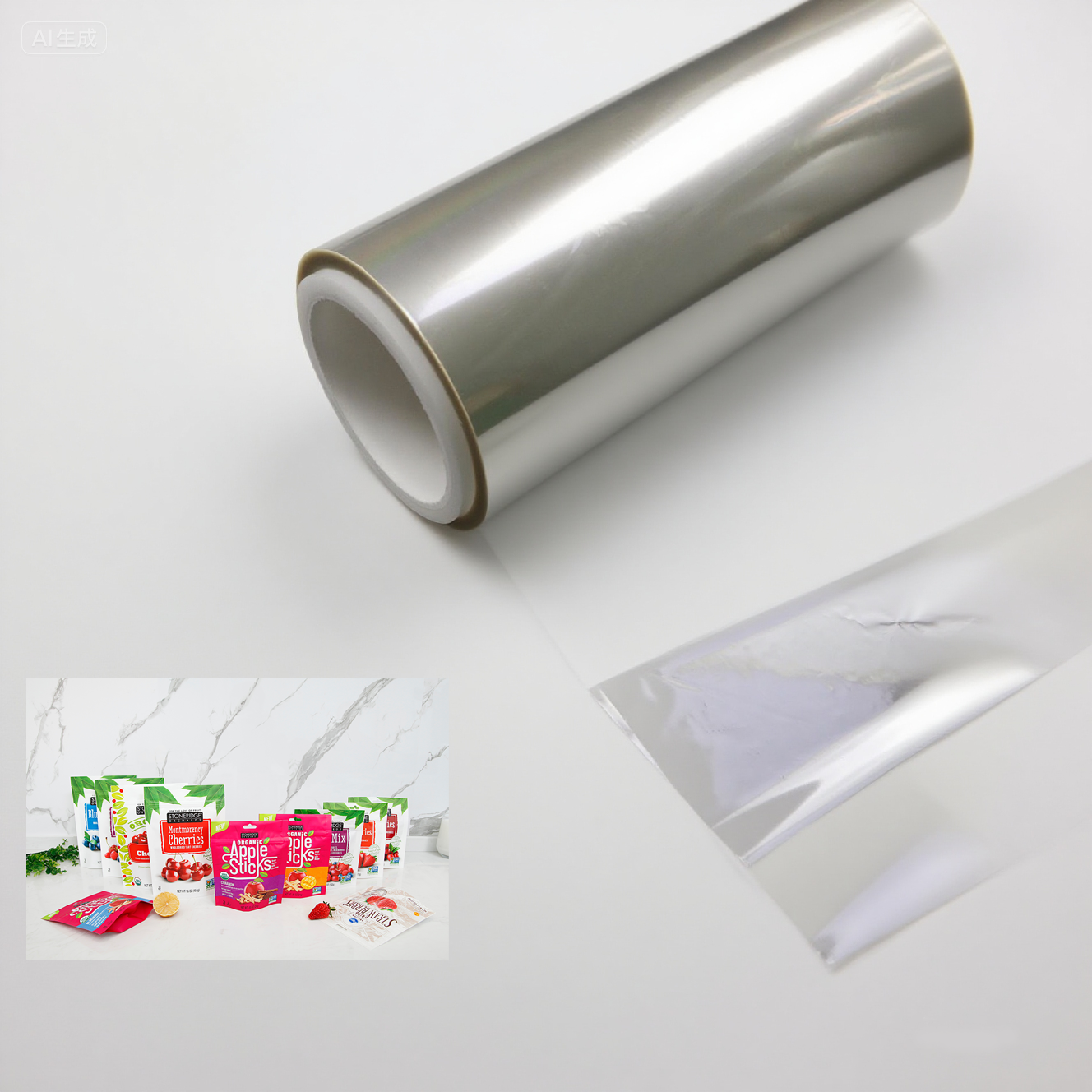
Cailong lists PET-AlOx-010 as a high-barrier grade using transparent aluminum oxide on a BOPET substrate. An AlOx Film Supplier can provide the relevant film specification, while the processor and converter qualify its place in the finished pasta pack. Distinguish this grade from the separately listed retortable grades before discussing any thermal processing step.
Identify the fresh-pasta format and present package
Fresh pasta is not one packaging condition. Loose strands, folded sheets and filled pieces place different demands on how a pack is formed and loaded. Identify the product format, surface condition and the arrangement inside the package. If the current complaint is sticking, compressed pieces or distorted presentation, film barrier alone may not be the controlling factor.
Record whether the current pack is a flexible pouch, a tray with a separate lid or another construction. The coated PET considered here is a barrier substrate, not an automatically qualified lidding film or a self-sealing pouch. Tray attachment and flexible-pouch closure need different sealant decisions. Selecting the material without this distinction can lead to an unsuitable trial construction.
Ask the product owner to define the required protection and retained quality characteristics. Color, odor, product separation and appearance should be evaluated using the processor's methods. Any microbiological assessment and permitted storage period remain with the responsible food team. Do not calculate a shelf-life extension from a single-film OTR result.
Place PET AlOx Film inside a complete laminate
For a flexible pack, printed PET / PET-AlOx-010 / PE sealant is one possible structure to investigate. The outer layer carries graphics, the coated PET supplies the intended barrier function, and the inner layer must suit sealing and product contact. Adhesive interfaces and their processing conditions need confirmation with the converter. This proposed pasta construction is not a published production case.
If the pack uses a formed tray, specify the flange material and opening requirement before selecting the lid's sealing surface. A laminate designed for a flexible pouch cannot be presumed to attach correctly to every tray. The product page's general food-packaging applications support a material discussion, not a complete tray-and-lid approval.
Keep barrier requirements separate from print requirements. Ask which side can be printed or laminated under the selected process and how the coating will be protected. The unprinted film's clarity does not guarantee the appearance of the finished adhesive-bonded laminate. Evaluate the actual printed construction with the relevant clear regions retained.
Visibility and product moisture must be considered together
A clear package can help customers recognize the pasta format and assess presentation. That benefit depends on more than the film's initial transparency. Observe the filled pack under the intended display conditions and after the specified distribution sequence. Surface moisture, product contact and changes inside the pack can affect what customers see even if the substrate remains transparent.
Do not treat every visible change as evidence of poor oxygen barrier. Ask whether it appears before sealing, after a process step or only later in storage. Compare the product's condition with the packaging condition at each stage. This sequence helps separate an incoming-product issue from a closure defect or a laminate-related appearance change.
If a transparent pack replaces an opaque laminate, review the effect of the changed light exposure with the product owner. An AlOx barrier does not supply an opaque shield. Printed coverage or secondary packaging can be considered if the product requires it, but those measures need their own evaluation. Visibility is a design choice, not an automatic quality improvement.
Product loading can challenge the intended closure
Inspect how pasta reaches the closing area. Long strands, fragments, filling residue or surface moisture may interfere with a clean closure. A flat seal sample made on dry, empty film is not sufficient evidence for a production pack. Review filled samples from normal running, start-up and the points where product presentation varies.
For vacuum or modified-atmosphere packing, provide the actual equipment route to the converter. Gas conditions and product handling are processor-controlled variables; no gas recipe is inferred from the film grade. Record how the package changes shape during packing and whether the laminate repeatedly contacts folded or projecting product features.
Assess opening after storage as well as closing at production. The pack should allow the intended product removal without an uncontrolled tear or excessive disturbance of the pasta. A stronger laminate bond does not automatically create a suitable consumer opening. Define whether the design uses a tear feature, peelable closure or another approved route.
Keep thermal processing and distribution requirements explicit
Give Cailong the actual processing sequence, including any heat exposure, before requesting a grade recommendation. PET-AlOx-010 and a retortable PET-AlOx grade are separate product selections. Do not infer retort approval from a general statement about PET heat resistance. The final process suitability belongs to the qualified laminate and processor-approved package system.
When requesting OTR and WVTR, specify the measurement temperature, relative humidity and whether the specimen is single film or laminate. Compare data obtained under compatible conditions. Measurements before conversion cannot establish that barrier remains unchanged after packing, handling or the processor's thermal step.
Retain the current pack as the comparison reference during product testing. Use representative pasta and the intended packing and distribution conditions. Examine closure integrity, laminate appearance and the product team's specified quality outcomes separately. A successful material trial may require changes to the sealant or pack geometry, not only the coated PET.
For a fresh-pasta proposal, send Cailong the current structure, product format, packing method, heat-exposure sequence and required storage assessment. Include the intended clear area and the location of observed package defects. This makes the request specific enough to evaluate a PET-AlOx grade without assuming that a transparent film determines the finished product's usable life.
Comment