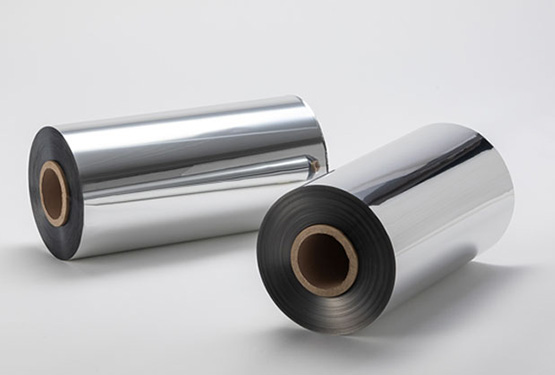
Nano-Coated VMPET for Trim Edge Spotting
Nov 16,2026 | FOSHAN CAILONG METALLIC PACKAGING MATERIAL CO.,LTD
A metallic laminate may pass a broad visual check and still show small dark spots beside a converted edge after storage. For a buyer evaluating nano coated metallized PET, the location of the marks matters as much as their appearance. A spot that follows a trim line calls for a different investigation from a spot that repeats across an untouched roll surface. The trial should preserve enough evidence to compare the candidate film with the incumbent through the same converting and handling sequence.
Cailong's film portfolio lists a nano-coated metallized PET film. The coating is relevant when a converter wants to investigate protection of the deposited surface. Ask the supplier to identify the coating side and the intended converting orientation for the offered grade. A protective coating on a supplied film cannot establish the behavior of a cut laminate edge, where several materials may be exposed together. Use a finished construction and a representative storage exposure before setting an acceptance limit.
Mark the condition of the incoming film
Retain a labeled section of the original roll and record which side carries the coating. Inspect the material under consistent light and note the position of any marks within the usable web. Record the roll direction and distance to the nearest edge. Keep pieces for later comparison separate from specimens that will be trimmed or bonded. The unconverted reference helps the supplier decide whether an observed pattern already existed before production.
Inspect the incumbent using the same support and lighting. Some surfaces are more reflective than others and may make the same feature appear stronger from one angle. Use the agreed viewing direction and an additional angle where the mark is easiest to identify. If the project uses a camera, hold the exposure constant between comparable pictures. Label what each image represents so it can be connected to the physical sample.
Keep production edges and laboratory cuts identifiable
Collect samples with the normal production trim and apply the agreed sampling method to cut additional pieces. Mark which edge was produced at each stage. A fresh laboratory cut may expose layers in a way that differs from the delivered item. If marks follow the laboratory edge only, that result may be useful for diagnosis but should not be treated as the normal production condition. Include the actual trim tool and converting sequence in the record.
Compare edge appearance beside an area away from the cut. Look for roughness, a lifted layer or an exposed adhesive line before the storage exposure starts. A damaged edge can admit contact with a different surface from the one protected within the laminate. Record the pattern before assuming that the exposed area is the same for the candidate and incumbent. Preserve a small number of unexposed edge specimens as controls.
Recreate the intended storage and handling exposure
Use the storage condition agreed for the project and record the actual time, temperature and humidity where those values matter. Include how the converted pieces are stacked or interleaved. An edge against packing material has a different contact history from an edge held clear of it. Keep the same stack position for corresponding samples or record the differences. If the product reaches storage in a closed pack, reproduce that configuration as closely as the project permits.
Inspect at defined intervals rather than only when the first obvious mark appears. Record which face was visible and whether a spot grew, changed color or spread along a layer boundary. A fixed photograph can help locate change around the same edge. Avoid repeatedly touching the region during the check. If a sample is opened or cleaned to investigate the mark, identify it as a separately handled specimen.
Examine what the spot actually affects
Review the visible faces and the corresponding area on the other side. Record whether the mark is removed by an approved inspection procedure or appears to lie beneath the surface. Where the source remains uncertain, send the marked specimen and the retained control to the converter or material supplier. A photograph can guide the inquiry, but it rarely identifies the affected layer on its own. Include the layer sequence and which face was exposed.
Decide whether the defect matters for appearance, bonding, barrier or another defined requirement. If the laminate is used as a barrier, keep the application-specific transmission or package results separate from the visual assessment. A mark near the edge may change visual acceptance without producing a measured barrier change. The reverse is also possible. Tie each observation to the sample and the method used rather than reporting a general pass or fail for the film family.
Use a focused follow-up trial
If spotting follows only a rough trim edge, compare the intended trim with an agreed alternative while keeping the laminated construction the same. If marks appear in the untouched center, inspect storage and face contact before changing edge geometry. If the pattern follows one roll or one region of a web, identify that roll and location in the report. The next sample request should reproduce the relevant contact rather than repeat unrelated parts of the process.
Ask the supplier for the exact coating configuration, usable width and gauge under consideration. Provide photographs with scale and location, the laminate drawing and the evidence from exposed and unexposed samples. Clarify whether the quoted material is film only or whether further converting is included. The converter and buyer can then agree which checks belong at incoming inspection and which require the complete construction.
Keep a physical appearance reference
Retain an approved edge, an affected edge and a reference from the original roll. Record the location, orientation and exposure behind each sample. A later change in board, adhesive or trim can alter an exposed edge while the film grade stays the same. Use the retained examples to determine whether that change requires a new appearance review. The purchase specification should identify the material the converter qualified and the finished-edge condition that the buyer agreed to accept.
Comment