Metallized PET Film for Twist-Wrapped Chocolates Keywords
Oct 13,2026 | FOSHAN CAILONG METALLIC PACKAGING MATERIAL CO.,LTD
Metallized PET Film for individually twist-wrapped chocolates must do more than create a bright metallic finish. The wrapper has to match the piece geometry, pass through the wrapping route and remain convenient to open. Its role also needs to be separated from the protective role of a sealed outer bag or carton.
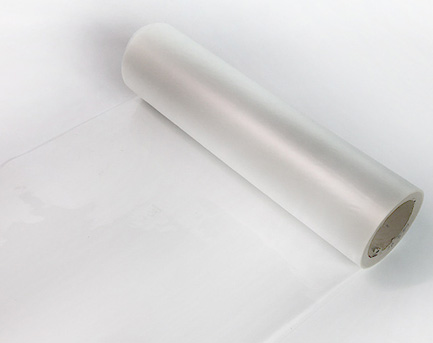
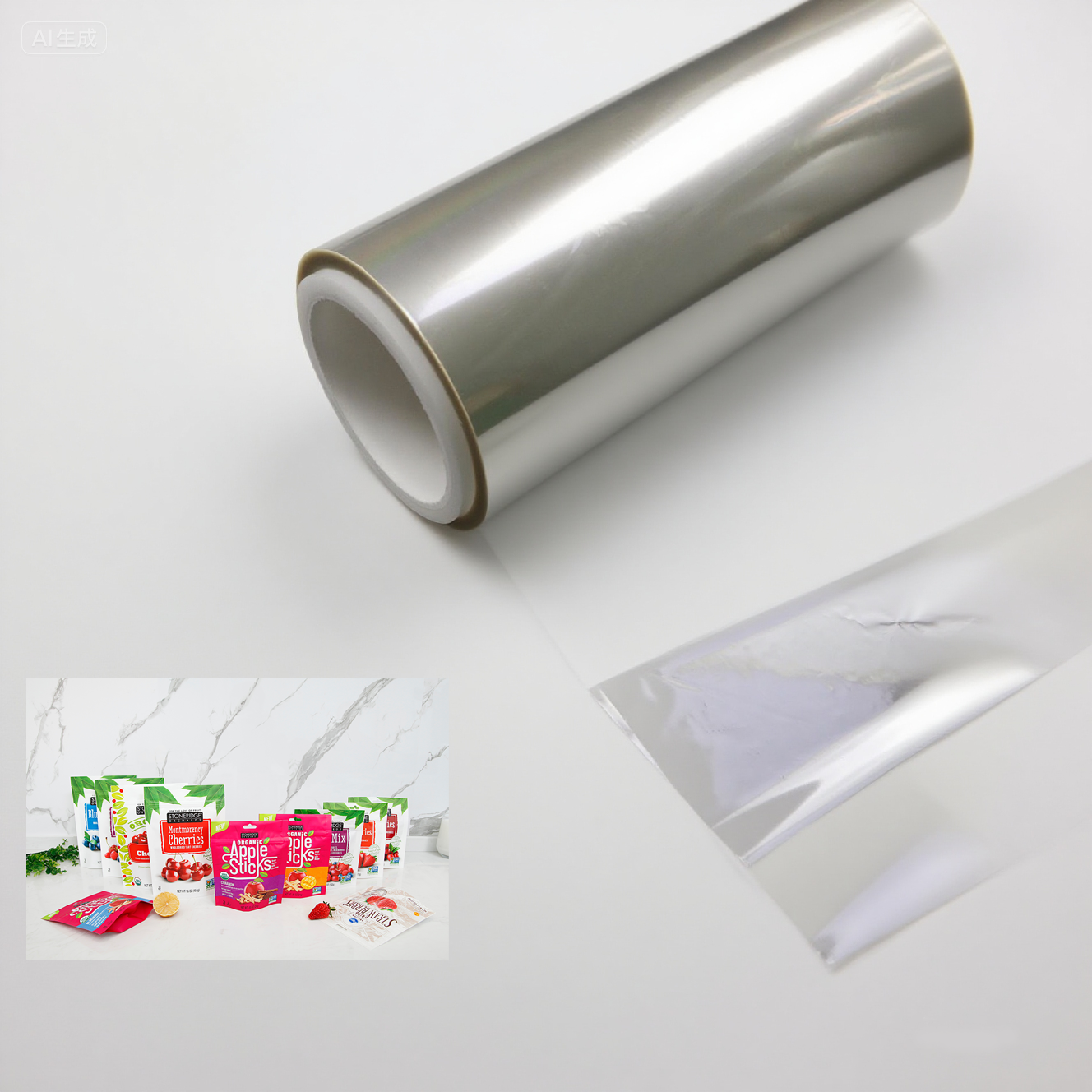
Cailong lists VPET-NJ as a metallized twist PET grade and identifies chocolate among its packaging applications. Its Metallized Film Supplier range includes several different PET grades, so a general lamination film should not be substituted solely because it has a similar metallic appearance. Select the twist grade and qualify the completed chocolate presentation.
Decide whether the wrapper is the primary protective pack
A twist-wrapped chocolate sold in a sealed assortment bag is different from a loose piece displayed in a bowl. The outer pack may provide a protection function that the individual twist does not establish. Identify the complete sales format before assigning oxygen or moisture requirements to the individual wrapper.
Twisting is not equivalent to a hermetic heat seal. Even if the film itself has barrier properties, the ends and overlap need to be considered when describing protection. Do not transfer the storage performance of a sealed laminate pouch to a twist-wrapped piece. If the product requires a tightly controlled atmosphere, discuss an appropriate complete packaging system with the product team.
Define why the brand is considering VPET-NJ. The objective may be a metallic individual presentation, different wrapper handling or a change from the current twist material. Each objective needs an observable comparison. A successful decorative result does not establish an equivalent sealed protection system, and a clean machine trial does not determine the chocolate's storage life.
Match Metallized PET Film to the chocolate shape
The product page lists VPET-NJ thickness choices of 17, 19 and 23 µm. These are available material choices, not a guarantee that one gauge fits every chocolate. A round piece, rectangular piece and shaped confection create different contact and folding paths. Compare the chosen film with the actual piece rather than a convenient smooth test object.
Measure the product and record its normal variation. The wrapper cut length, overlap and end allowance must accommodate that variation. A layout that looks balanced on the smallest piece may leave insufficient material around a larger piece. Too much loose material can also change the finished appearance. Resolve the geometry before treating an untidy wrap as a film-quality problem.
Review where the piece receives pressure during wrapping. Chocolate can mark or deform even if the film remains intact. Check the product condition at feeding and the contact points of the equipment. Reducing visible wrapper defects by increasing grip is not a complete improvement if it damages the confection underneath.
Printed graphics must survive the wrapper's folding pattern
A flat printed proof does not show where the brand name, design and overlap will sit after wrapping. Position key graphics using the actual wrapper layout. The twisted ends are highly distorted areas, so they should not carry information that customers must easily read. Inspect the wrapped product from the normal display direction.
Metallic appearance can vary with folds and lighting. A design with broad unprinted metallic regions may expose creases that are less noticeable under printed coverage. Compare graphics on the production-style wrapped piece before choosing an ink and finish combination. The product page's metallic gloss does not establish the appearance of every printed design.
Confirm the printing surface and ink system with the converter. The metallic layer, PET substrate and printed image perform different functions. Inspect scuffing around the overlap and twisted ends after representative handling. An intact wrapper with damaged graphics may fail the presentation requirement even though its mechanical condition appears acceptable.
Use the assortment format in the handling assessment
Loose chocolates in a carton can rub against one another in ways that individually separated pieces do not. Assess the intended arrangement, headspace and any dividers. If the outer bag or carton changes during the film trial, record that change. Otherwise, improved appearance after transport may be incorrectly attributed to the new wrapper.
For mixed assortments, check whether the wrapping layout is shared across several shapes. A common wrapper can simplify purchasing, but it should not be assumed suitable for every piece. Compare the most difficult geometries as well as the easiest one. Document whether layout or machine adjustments are needed for different products.
Opening is part of this application. Ask consumers or the product team to assess the specified opening action on retained samples. Look for excessive tearing, loose fragments or a wrapper that grips the piece in an inconvenient way. Attractive closed presentation should be balanced with straightforward product access, without promising an opening result from film thickness alone.
Keep chocolate condition separate from wrapper selection
Chocolate appearance changes require investigation by the product team. Temperature history, recipe, handling and packaging may all be relevant. Do not claim that VPET-NJ eliminates bloom, prevents melting or resolves every surface change. The useful material comparison isolates wrapper-related effects while maintaining the product's approved handling conditions.
If the chocolate directly contacts the wrapper, obtain the required food-contact documentation for the selected film and printing construction. General application wording does not replace this approval. Specify whether ink, coatings or other components are present and which surface faces the food. The converter must preserve that orientation during printing, cutting and wrapping.
Where a sealed outer bag is used, qualify its closure and barrier independently. The individual wrapper's role may be presentation and piece separation, while the outer laminate carries the defined storage requirement. Keeping these responsibilities explicit avoids a misleading statement that a twisted end provides the same protection as a sealed seam.
Send Cailong the chocolate dimensions, current twist material, proposed artwork, machine route and complete retail-pack format when discussing VPET-NJ. Include wrapped examples showing the presentation or opening problem. This gives the film trial a clear purpose: selecting a suitable individual chocolate wrapper while leaving whole-pack storage approval with the responsible product and packaging teams.
Comment