Holographic Film for Folded Carton Panels
Nov 16,2026 | FOSHAN CAILONG METALLIC PACKAGING MATERIAL CO.,LTD
A folding carton offers three different surfaces for a holographic effect: the upright front, an angled or recessed side, and the top seen during opening. A converter sourcing holographic film can use the effect as an uninterrupted band across a score or reserve it for a single panel that catches light as the pack turns. Test the chosen placement on the erected carton with the actual board and print. Those samples show how the effect reads from the display and unboxing angles.
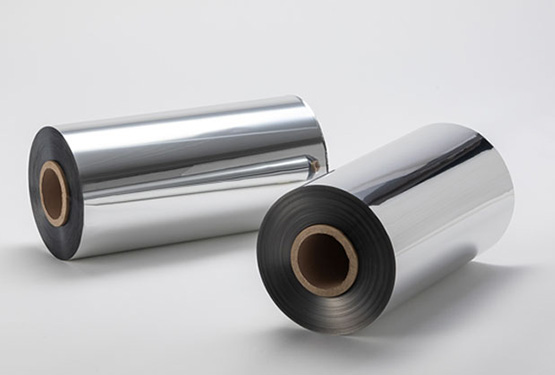
Cailong's film portfolio lists holographic film for decorative packaging and labels. Compare the available pattern options using samples from the intended converter and confirm how the pattern is oriented on the roll. The product family provides a decorative effect, while the appearance of the complete carton depends on which areas are exposed, how faces are positioned relative to the light and what is printed over the film.
Decide where a continuous effect is needed
Mark the front, side and top of the carton on the artwork. Identify any band or image that crosses from one face to another. If the pattern is intended to appear continuous, draw the fold and the position at which the artwork should meet. If the design is intended to change at the edge, identify how large a difference is acceptable. The two goals can require different pattern orientations and artwork alignments.
Use a scale drawing that shows both the flat blank and the erected carton. Ask the production team to identify the surface that faces outward and the orientation of the roll as it enters the converting process. Include the stacking or shelving orientation expected in use. A pattern viewed on a horizontal table is not necessarily illuminated in the same way as a vertical panel in a display.
Establish a flat reference before folding
Prepare a laminate with the intended board and converter process. Mark the machine direction and the pattern position on an area that will be trimmed away. Retain a flat blank from the same run. Compare a blank cut near each edge of the usable web, if the pattern has directional or positional variation. Keep the pieces marked so a visible difference can be traced back to the original sheet position.
Use the actual printed design, including any transparent or opaque print over the film. Compare printed and unprinted sections near the fold. A dark field may suppress the visible effect in one panel without changing the underlying film, and a reflective area can make the transition more prominent. Keep the print revision and layer sequence with the reference. The appearance review is only meaningful for the construction tested.
Distinguish optical change from physical fold damage
Erect the carton using the intended scores and folding sequence. Inspect the fold at the location where the pattern appears to change. Look for a crack, wrinkle, exposed board or loose film. If the line is physically damaged, retain a nearby flat area from the same blank as a reference. A shiny line that moves with the light can have a different cause from a damaged line that remains visible in the same location.
Hold the carton in the normal orientation and turn it through the range expected in use. Observe when the two faces appear most different. Move a controlled light while keeping the carton still, then vary the carton angle while keeping the light fixed. Either trial can show that adjacent faces reach their brightest view in different positions even though the pattern crosses the fold in the right place. Record which condition matters to the buyer.
Check that the pattern reaches the intended fold
Compare the fold location with the printed and cut references on successive blanks. Locate a recognizable feature of the pattern where one exists and check its distance from the fold. If the visual jump is inconsistent across otherwise identical samples, review whether the pattern, printing or scoring moves relative to the reference. A registration concern can require a different conversion allowance from an appearance change that occurs on every correctly positioned blank.
Consider a small trial with the same pattern in the other permitted orientation. Keep board, print and fold geometry unchanged. Observe the assembled carton from the same positions. If the second orientation gives a more suitable transition, preserve a piece showing that alignment for the shop floor. Where a brand image must fall at an exact panel position, ask the supplier and converter to confirm which positioning requirements they can support.
Approve the assembled carton under relevant lighting
Use lighting representative of the retail display or intended unboxing condition. Include the view from which the critical artwork is normally read. Record whether one face can reasonably be brighter than the other or whether both must remain recognizable at the same time. Keep any photographs paired and taken with consistent settings. A physical reference allows later inspection even if a photograph cannot accurately show the changing effect.
Inspect several erected cartons and include any sizes that use the same material with a different fold layout. A narrow side panel may leave less room for the same pattern than a broad panel. If the project uses a display tray, place the carton in the tray before the final approval. Nearby cartons and the tray can change the direction of the light reaching the side.
Specify pattern, orientation and the retained reference
Send the supplier the requested roll width, gauge, pattern reference and orientation on the web. Include the conversion drawing and the visible zones where the effect matters. Ask whether the quote covers film alone or a converted laminate. The converter should confirm the position of the pattern on the actual carton and document any alignment tolerance agreed for repeat runs.
Retain a flat blank, an erected carton and the accepted lighting and viewing instructions. If a later run changes the board, print coverage, pattern orientation or score location, repeat the relevant assembly review. This allows purchasing to reference the film and pattern while the packaging team preserves the visual result they approved on the finished carton.
Comment