PET AlOx Film for Clear Chocolate Packs
Oct 17,2026 | FOSHAN CAILONG METALLIC PACKAGING MATERIAL CO.,LTD
PET AlOx Film can be evaluated for a clear chocolate pack when a brand wants shoppers to see the product while retaining a specified packaging barrier. That brief becomes more difficult when customers report a pale or mottled chocolate surface. Before replacing an opaque wrapper, determine whether the observed change is related to moisture exposure, the chocolate itself, handling temperature or the package.
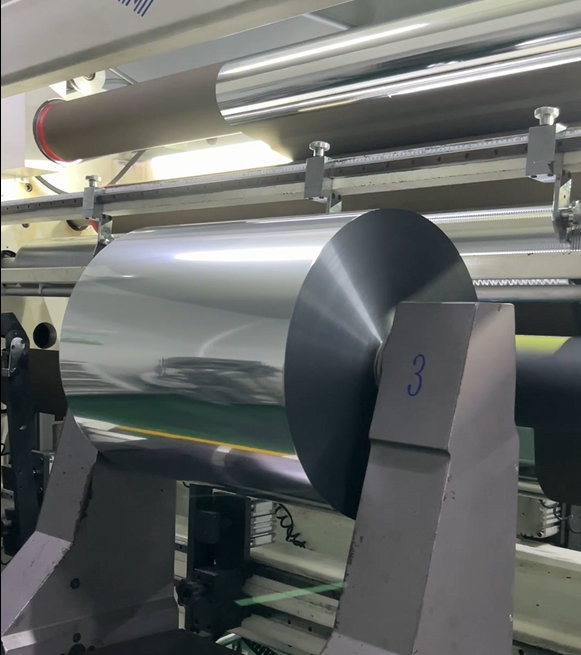
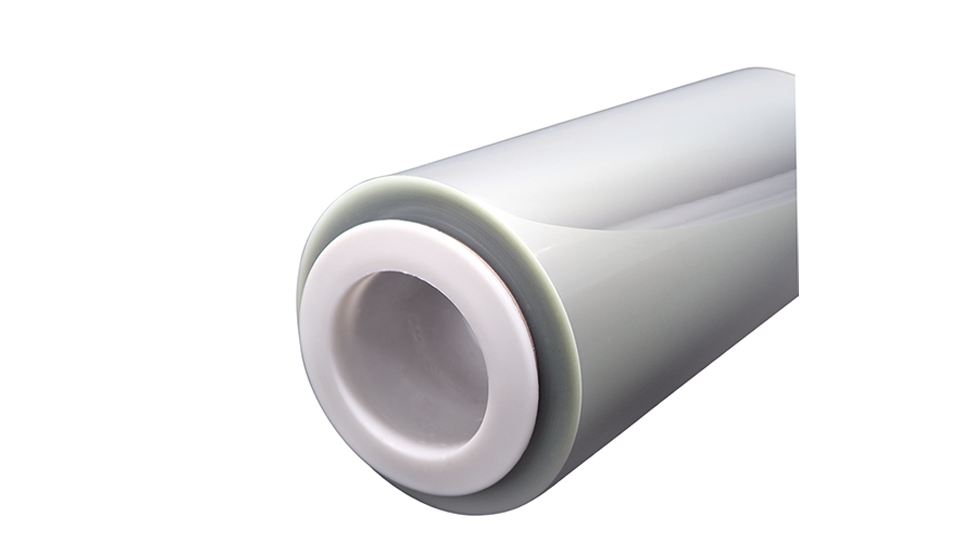
Cailong lists PET-AlOx-010 as a transparent high-barrier grade on a BOPET substrate. An AlOx Film Supplier should receive the chocolate format, present wrapper and observed defect. Transparent oxygen and moisture protection is the confirmed material role. It is not a guarantee against every surface change described as chocolate bloom.
A pale surface is a starting observation
Different chocolate mechanisms can produce a whitish appearance. As explained in Callebaut's chocolate bloom guidance, fat-related bloom and moisture-related sugar bloom are not interchangeable problems. Have the chocolate producer identify the defect using its own technical assessment rather than diagnosing it solely from a photograph of the wrapped product.
This distinction matters commercially. A packaging team may request a stronger oxygen barrier when the production or temperature history is the more relevant issue. Conversely, a moisture pathway at a damaged seal should not be dismissed as a formulation problem. Establish what changed and when it first became visible before choosing a different film.
Keep chocolate history with the package samples
Use chocolate from a controlled production batch when comparing wrappers. Record the producer's relevant manufacturing and cooling history without substituting packaging assumptions for its process specification. If the trial compares different chocolate batches and different films simultaneously, the resulting appearance difference is difficult to assign.
Retain the route between production and packaging. A product may already have experienced an exposure before the wrapper closes. A later high-barrier laminate cannot reverse that history. Compare retained references from the same batch where appropriate, and let the food producer define which references are meaningful.
What PET AlOx Film contributes to a clear pack
PET-AlOx-010 uses a transparent aluminum oxide barrier on polyester. Within a laminate, it contributes panel resistance to oxygen and moisture transmission while maintaining visibility. The food-contact sealant and the printed carrier remain separate selections. Do not assume that the oxide-coated web alone supplies all the wrapping, sealing and opening functions.
A candidate construction is printed PET / adhesive / PET-AlOx-010 / adhesive / suitable food-contact sealant. The outer web carries graphics, the AlOx-coated web provides transparent barrier, and the inner layer forms the contact and closure surface. This is a possible chocolate-pack structure for development, not a Cailong-validated construction for a particular chocolate recipe.
If the current pack contains foil or metallized film, the clear alternative changes opacity as well as material structure. Light exposure must be assessed separately from oxygen transmission. A transparent barrier should not be described as providing the same light shielding as the incumbent opaque panel.
Trace moisture to the actual exposure route
If the chocolate producer identifies a moisture-related surface change, inspect the package and handling history together. Record whether the product was affected while still sealed or only after opening. Compare the closure, visible panel damage and relevant environmental transitions. The timing helps distinguish unopened protection from exposure created during use.
Request WVTR under the conditions specified for the project and identify whether the result describes incoming film or the converted laminate. Examine seal leakage separately. A higher-performing panel does not correct a channel at the closure, and an intact-looking pack does not establish that its complete moisture boundary is satisfactory.
Do not conclude that visible droplets on the outside prove moisture reached the chocolate. Establish where the moisture was observed and whether the package boundary remained intact. Keep external surface appearance, internal condensation and actual chocolate condition as separate observations rather than treating them as one defect.
A packaging change does not control the chocolate's fat phase
If the chocolate producer identifies a fat-related change, review the relevant product and temperature history through its technical team. Do not claim that an AlOx coating prevents a change governed by the chocolate's composition or processing. A barrier trial can still be useful, but its acceptance criteria must address what the packaging can actually influence.
Keep storage conditions comparable between the incumbent and candidate. A clear sample displayed in one location and an opaque reference stored elsewhere do not establish a material effect. Use the agreed commercial configuration, including any carton, tray or sleeve that normally accompanies the chocolate.
The tray or insert can mark a visible product
Inspect contact between the chocolate, support insert and clear panel. Rubbing, movement and local pressure can create marks that should not be diagnosed automatically as a barrier-related change. If the mark repeats at an insert feature, assess that contact pattern before requesting a different coating.
A clear viewing panel also makes fragments and contact marks easier to see. Agree the intended presentation and inspection method before approving a wrapper change. Greater visibility is a design choice with its own appearance criteria, not evidence that the chocolate became less protected merely because previously hidden variation is now visible.
Inspect the viewing panel independently if the product appears hazy only through the wrapper. Surface scuffing, residue or an optical effect in the laminate can change the view without being a change on the chocolate. Retain an empty converted wrapper for that comparison.
Use a comparison that can answer the complaint
Identify the leading suspected mechanism, then select the package observations and product assessments needed to examine it. Keep chocolate batch, storage route and handling consistent where possible. Record any intentional change in sealant, print coverage or support insert alongside the AlOx material so the trial remains interpretable.
For a clear chocolate-pack discussion, send Cailong the present laminate, chocolate format, food producer's defect assessment, distribution history and required viewing area. Add the barrier conditions and seal findings. PET-AlOx-010 can then be evaluated for a defined protection and presentation task without promising that a transparent film solves every chocolate bloom complaint.
Comment