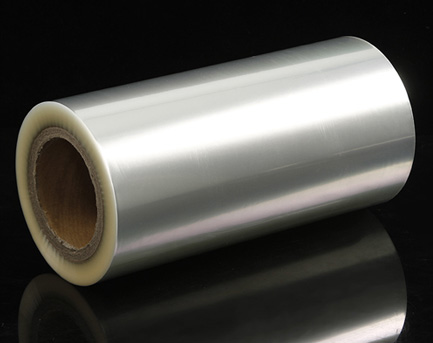
PET VMPET LLDPE for Granular Refill Pouches
Nov 17,2026 | FOSHAN CAILONG METALLIC PACKAGING MATERIAL CO.,LTD
A refill pouch for a granular product needs enough panel area to hold the intended fill and enough opening width to pour cleanly. A buyer considering PET VMPET LLDPE can source the specified outer print web, metallized barrier web and inner polyethylene sealant as one laminated construction. That is a useful starting point when the project also needs an opaque printable pack. The pouch drawing and the filling and pouring trials should determine whether the laminate suits the actual product.
Cailong's film portfolio identifies a PET, metallized PET and LLDPE laminate for flexible packaging. Obtain a quotation for the exact layer gauges, roll width and print or treatment arrangement proposed for the project. Confirm which layer will provide the inner seal. A three-layer name describes the structure concept. It does not identify the grade of the metallized ply or establish the barrier of a finished pouch in a particular size.
Choose the pouch around fill and consumer use
Measure how the product settles at the intended weight. Mark where the top seal, opening line and grip area sit when the pouch is upright. Include any need to pour only part of the contents at a time. A pouch can have the correct capacity and still be difficult to handle when the product collects at one side near the opening. Use a representative container for the receiving side of the pour.
Compare the largest and smallest particle sizes the pack is expected to contain. A narrow opening may work with fine granules and perform differently if larger pieces or clumps are present. Observe whether the pack needs to be squeezed or tipped sharply. That movement can place load on a seam or crease the printed area. Keep the product condition with the sample notes.
Assign each laminate layer a job
Draw the outer PET, metallized ply and LLDPE inside face. Mark the artwork location, the visible surfaces and the areas that must seal. Ask which details are included when ordering a printed laminate rather than plain trial stock. If the pack changes from an existing structure, compare the specific layer functions instead of treating the names as equivalent across suppliers. Retain the layer schedule used in each trial.
If a grade or gauge changes, get the relevant supporting values with the identified specimen and method. Decide which findings are important to this product. A material for dry granules may be chosen primarily for moisture control, while another application may have a different requirement. The buyer and converter should agree on the target before choosing a supplier sample.
Check the mouth as it fills and seals
Use the intended filling route and form the pack to the production drawing. Inspect the product distribution near the top before sealing. Observe whether the pouch mouth stays open enough for the fill or repeatedly contacts the delivery components. Record where any particles reach the seal area. Keep a clean reference and a sample of the normally filled pack so the converter can compare what happened during the process.
Inspect seal placement on several pouches. Where a particular opening feature sits close to the seal, check the relationship on the finished print and cut. A consistent seal can still leave too little room to open or grip a pouch. Record the pouch dimensions after converting and compare them with the drawing used to order the laminate width.
Observe a repeatable pour sequence
Open the pack using the intended action and place it above the normal receiving container. Observe how the product begins to move and where it crosses the opening edge. If there is an interruption, note whether granules bridge at a narrow opening or whether a soft wall collapses in the operator's grip. Try the planned fill range and observe whether the remaining product can be emptied without uncontrolled movement.
Compare two cut shapes with the same laminate where geometry is the likely cause. If a larger mouth improves flow, inspect whether it leaves enough seal and handling area. If the material stiffness is the likely issue, compare approved constructions at the same cut shape. Record the actual change in the approved drawing. A final specification should tell purchasing whether a different laminate, a different bag shape or both were required.
Qualify protection on the sealed pouch
Run the buyer's relevant seal and storage checks on finished samples. Record the material lot, the fill, the storage conditions and any date at which the contents are evaluated. Use web transmission values as material information and keep them linked to their conditions. Report finished-pack observations for the actual dimensions and seals. If an unexpected result occurs, preserve the original pack before cutting it into test pieces.
Include the expected shipping and handling arrangement where it can affect the package. A pouch that lies flat during a bench review may be stacked upright or folded in a carton. Examine the printed face, opening and seams after the approved handling interval. Keep practical pouring observations separate from the data used to support the package's protective role.
Give sourcing the complete structure and format
If the refill will be used to fill a narrow-necked container, include that container in the pour trial. A flow that is easy to direct into an open tray can spill at a small opening. Record the container and the pouch orientation alongside the result.
Send the layer sequence, requested width, print requirement and pouch drawing with the sample inquiry. Include the intended contents and the receiving container used for the opening and pour review. State whether the quote covers a roll or a finished pouch. Retain a sealed reference and an opened one that record how the approved format worked. A repeat order can then specify the laminate and refer to the bag construction that the converter actually filled and tested.
Comment