Clear PET Film for Sample Kit Windows
Nov 17,2026 | FOSHAN CAILONG METALLIC PACKAGING MATERIAL CO.,LTD
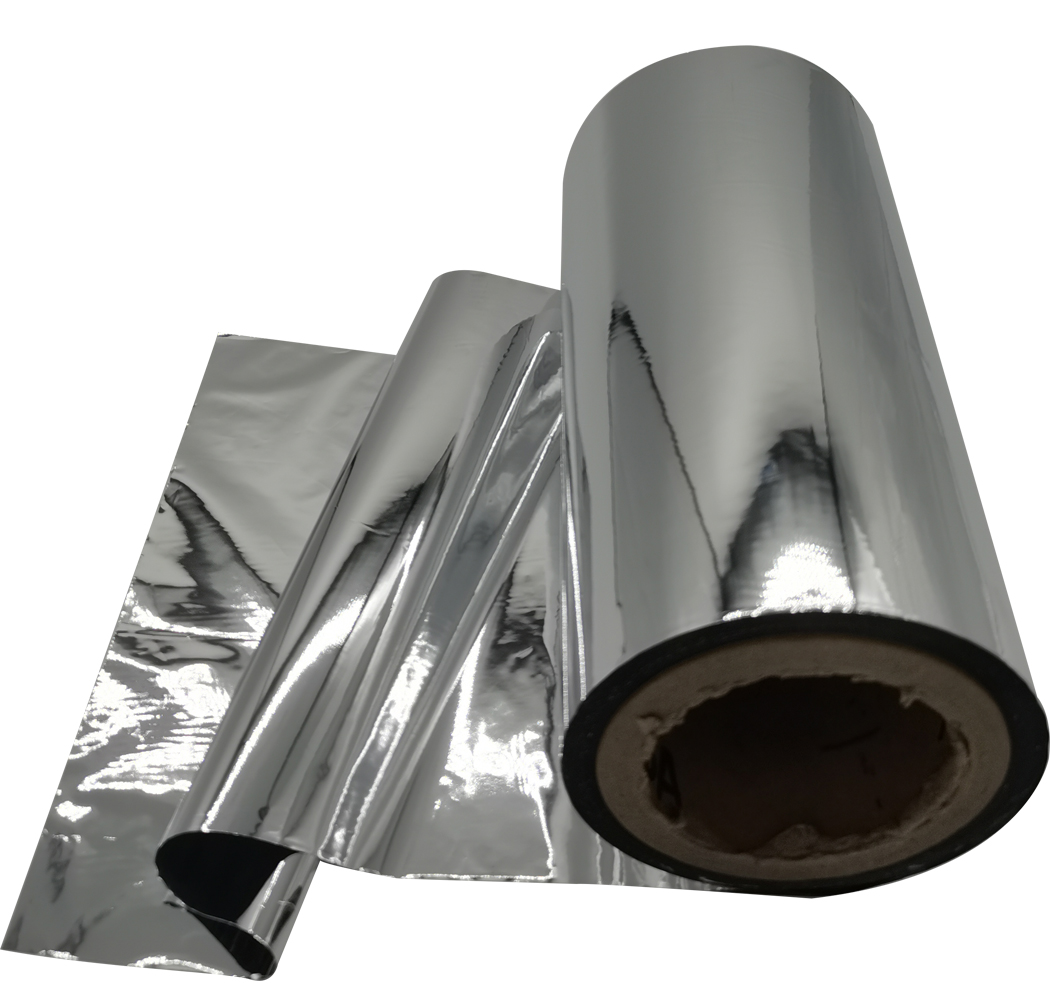
A clear insert in a sample kit lets the recipient identify small parts without opening every pocket. The film may be folded, trapped under a card or enclosed in a printed sleeve. Buyers evaluating high transparency PET film for this format should compare the finished kit with its actual items, backing and lighting. A clear film swatch can show the starting appearance, while the complete pocket reveals how easily the contents can be recognized against the printed card.
Cailong's film portfolio lists a high-transparency PET film aimed at applications requiring a clear polyester web. Confirm the finish, offered thickness and whether the proposed grade includes any additional surface treatment. Ask for optical data on the exact specimen where a numerical requirement is needed. In the kit, the film is one part of the viewing path. Pocket shape, surface contact and the distance between the film and the contents can influence the result.
Identify the details that must stay visible
Use the production items or representative pieces with the same color and shape. Mark the identifying features that should be visible through the pocket. Small markings and closely spaced parts can require a clearer view than a broad area of color. Include both dark and light items if the kit is used for several product variants. A transparent insert that looks good over one backing may make another item harder to see.
Record how the kit will be opened and held. If it is shown on a counter before being mailed, include both that view and the orientation after it reaches the recipient. Define where the eyes are likely to be relative to the viewing face. A view from directly above may omit a reflection that crosses the product at the angle used during normal handling.
Make the pocket in its intended shape
Use the actual fold pattern and enough film to make representative pockets. Record whether the viewing face is free, mounted in a frame or supported by the item. If the pocket closes with an adhesive strip or a separate sealing layer, include the converted construction in the trial. Confirm the film face associated with any coating or adhesive before the converter prepares a larger run.
Inspect whether the film lies flat in the viewing region. If a pocket bows over a thicker item, note the height and where the contact occurs. Compare pockets around thinner and thicker parts rather than using a single representative item for the entire kit. A bend that becomes visible along a printed boundary may have little relation to the optical value of the original film.
Compare clarity under consistent conditions
Make one sample with the incumbent material and one with the candidate in the same pocket drawing. Use the same backing, landmarks and fill position. Inspect the identifying features under the agreed lighting. If photographs are collected, fix the camera position and exposure. Record the covering film and any spacing changes so a brighter background is not mistaken for a clearer film.
Where the buyer uses light transmittance or haze data, record the method and gauge. Compare specimens measured under compatible conditions. Place those data alongside the viewed samples rather than treating an optical value as the only acceptance check. A pocket can have acceptable film clarity and still make a small part difficult to identify if the viewing surface is wavy or the backing is too similar in color.
Include contact during storage and shipment
Pack several complete kits using the normal case or envelope. Identify where the pocket face touches another surface. Mark the samples without putting an extra layer over the viewing area. Inspect after the buyer's approved storage and transport exposure. Note scratches, impressions or transferred marks and their location relative to the contents. Collect an untouched reference from the same film lot for comparison.
Observe the kit after unpacking using the same viewing conditions as the initial check. A pressure mark that appears only while the kit is closed may have different significance from a mark that remains when it is opened. Record whether the contents still sit in their intended positions. Movement can bring an item into the contact path even if it was clear of the film during the original assembly.
Compare material and layout changes independently
If the film remains clear yet the parts are hard to identify, trial a different backing or pocket depth with the same film. If only the candidate changes while the rest of the setup is unchanged, send both samples to the converter and describe the observed difference. Keep a result from a new layout separate from the initial material trial so purchasing can see which change produced the accepted kit.
Include samples from different positions across the converting web if the pocket has a wide clear region. Inspect each sample at the spots where marks have the biggest effect on recognition. If a printed sleeve partly hides the window, compare the assembled coverage with the drawing. An adjustment to the sleeve can recover visible area even when the film remains the same.
Specify the finished viewing requirement
For kits with removable sample pockets, check the view after the pocket is replaced in its slot. A change in backing position can move a printed line behind a part number. Include the normal replacement procedure with the reference so the supplier sees the installed position the buyer expects.
Send the supplier the requested PET gauge, width, surface condition and sample format. Give the converter the pocket drawing, backing design and the features that have to remain visible. If an incoming optical limit applies, include it with its measurement conditions. Retain an approved kit and an unconverted piece from the same film. Together they record what the supplier provided and how it performed in the specific viewing application the buyer qualified.
Comment