Metallized PET Film for Cosmetic Carton Wraps
Oct 16,2026 | FOSHAN CAILONG METALLIC PACKAGING MATERIAL CO.,LTD
Metallized PET Film can give a cosmetic carton a metallic decorative face, but a flat laminated sheet is not the finished carton. The material must still tolerate scoring, folding, gluing and repeated handling at the lid. When a metallic box develops a pale crease or a lifted edge, the board construction and converting sequence deserve as much attention as the original film appearance.
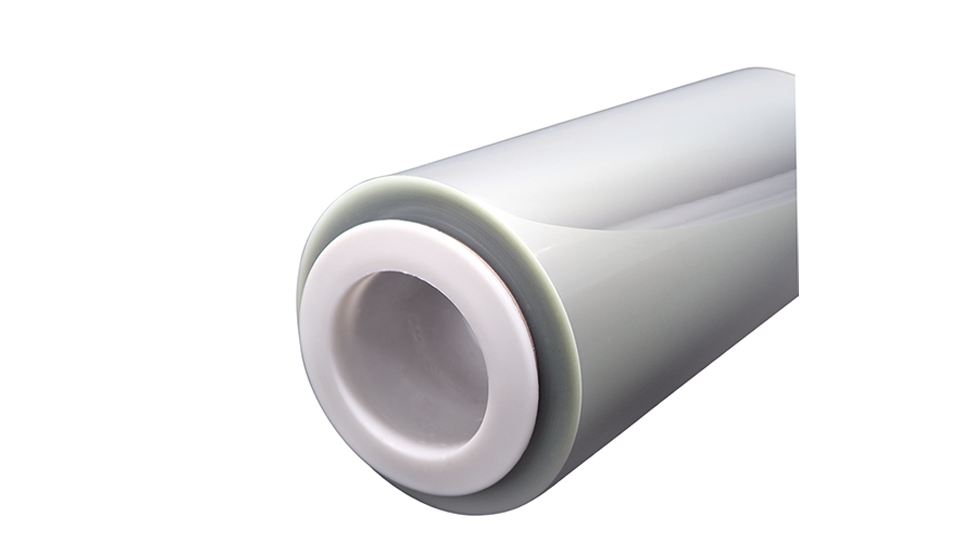
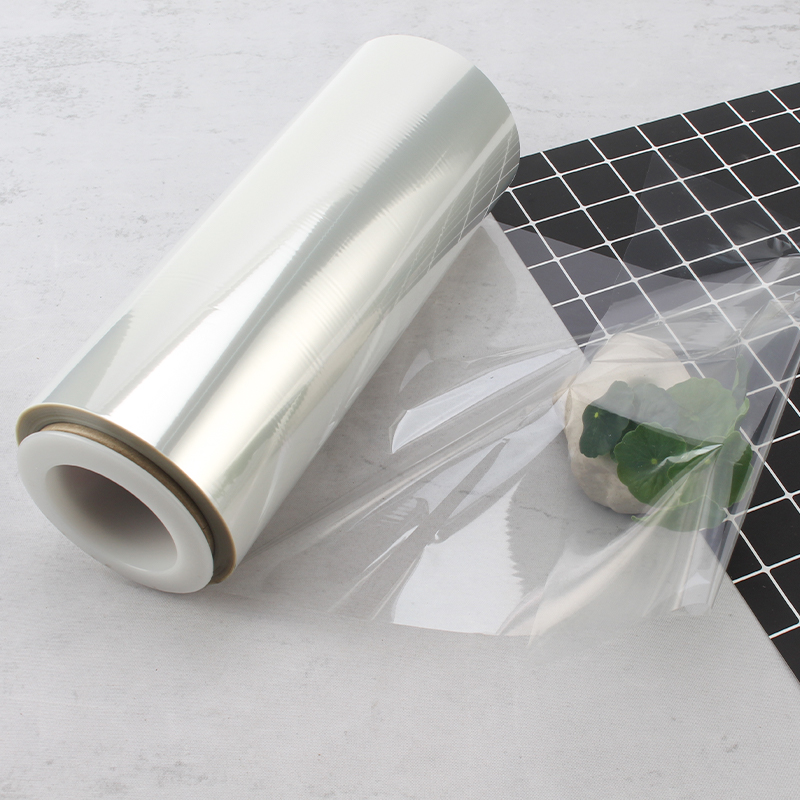
Cailong lists VPET-YGD-B as a light-matte metallized PET option, alongside the deeper matte VPET-YGD-H type. Work with a Metallized Film Supplier to identify the intended appearance and bonding face. The listed cosmetic packaging, paper-covering and decorative applications make the range relevant to carton development, but do not guarantee performance on a particular board and score design.
Specify the carton, not only the metallic finish
A decorative folding carton may serve as a retail pack, a presentation box or a sleeve around another container. Those formats place the film under different demands. A folding lid repeatedly bends at a hinge, while a slip-on sleeve may be dominated by edge scuffing and sliding contact. Identify the format before requesting a sample.
Keep the board grade, grain direction, coating and converted dimensions with the decorative material specification. If a supplier sees only a color reference, an acceptable flat appearance may still lead to an unsuitable carton construction. A score running across a difficult board direction cannot be assessed from a detached film swatch.
What the matte Metallized PET Film contributes
The light-matte product offers a less glossy metallic appearance than a conventional glossy decoration. This is an appearance choice, not evidence of automatic scratch resistance or resistance to every cosmetic formulation. Define the required finish with an approved physical reference and the actual printed or laminated carton face.
A possible construction is a visible printed matte metallized PET layer / compatible adhesive / carton board. The converter must establish the printable side, metal location and adhesive contact surface for the selected material. Do not assume the same face can be printed, bonded and exposed interchangeably. The arrangement should be documented with the trial rather than inferred from the silver appearance.
The film and board have different jobs. The film creates the decorative surface and carries any compatible print or finish; the board provides shape and much of the carton stiffness. This outer decorative laminate should not be presented as the primary barrier protecting the cosmetic formula inside a bottle, jar or separately sealed container.
Find where a crease first becomes visible
Inspect trial material after lamination, after scoring, after erection and after the intended opening sequence. Mark the stage at which a pale line, split or lifted strip first appears. A defect visible before folding points to a different investigation from one that develops only when a lid is bent back.
At a pale crease, distinguish board fibers showing through a split from a change in the metallic surface or a separated interface. Examine a section where practical. Calling every visible line metal cracking can send the corrective work in the wrong direction, particularly if the underlying board has fractured or the adhesive bond is incomplete.
Compare fold direction, score geometry and the location of the film relative to the bend. Review these together with the converter instead of immediately selecting a thicker film. A thicker decorative layer may alter the score response or make the carton harder to fold cleanly. Its effect must be judged on the erected pack.
The glue flap is a separate interface
Carton side seams introduce a different bonding task from film-to-board lamination. The carton adhesive may contact exposed board, a printed film surface, a coating or an intentionally unlaminated area. Identify that interface explicitly. A successful laminate peel does not prove that the side seam adhesive will bond to the chosen exposed surface.
Plan glue-free decorative areas and glue-bearing areas in the drawing before printing. If the construction relies on an unlaminated flap, check registration between the film edge and carton die cut. If it relies on bonding to the decorative face, obtain adhesive-system confirmation and examine the seam after conditioning and handling.
Compare board lamination with existing decoration
If the current carton uses metallic ink, a metallized PET laminate changes more than its reflectivity. It adds a continuous polymer layer, a laminating interface and a new response at folded edges. If the current method is foil decoration, the visible coverage and converting sequence may differ. Assess those changes rather than promising an equivalent appearance from a product name.
Judge the assembled carton under the lighting and viewing angles used for approval. Include adjoining panels and corners, where the same matte material may appear different because of geometry. Keep that appearance check distinct from the mechanical fold assessment so that an optical effect is not incorrectly recorded as a structural defect.
Keep a board-only reference through scoring and folding alongside the decorated trial. If both show fiber fracture at the same location, investigate the board and scoring setup before treating the decorative film as the sole cause. If only the laminate changes, inspect its interfaces and added bending resistance.
Handling should reproduce the customer's contact
For a cosmetic carton, test the actual touch points: lid edges, corners, opening tabs and adjacent packs in the shipping arrangement. If contact with cream, fragrance or cleaning material is expected, specify the exact substance and exposure. General chemical descriptions are not a substitute for compatibility with the selected print, coating and adhesive.
Send Cailong the erected-carton drawing, board details, present decoration method, intended matte reference and location of the observed defect. Add the print system, laminating adhesive and glue-flap arrangement. A useful VPET-YGD-B trial should answer whether that decorative construction can be converted and handled satisfactorily, not merely whether the unconverted film looks attractive.
Comment