BOPP AlOx Film for Clear Dried Mushroom Packs
Oct 14,2026 | FOSHAN CAILONG METALLIC PACKAGING MATERIAL CO.,LTD
BOPP AlOx Film can be evaluated for clear dried-mushroom packs when visible cap size and product condition are part of the selling format. The package also needs a defined moisture-protection requirement and a construction that tolerates stems, fragments and movement during distribution. A transparent barrier layer should be selected around that complete brief.
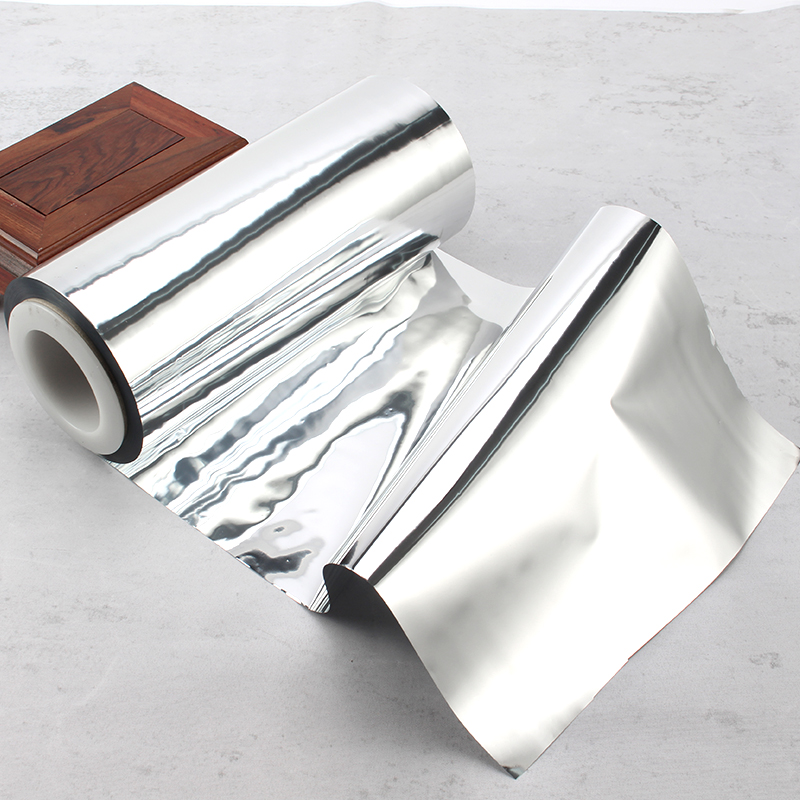
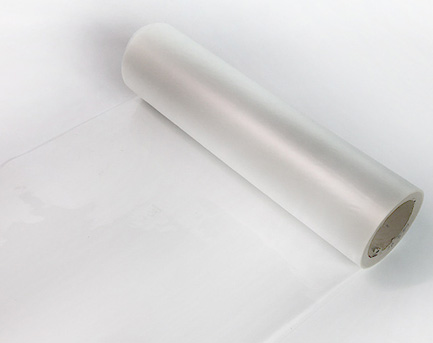
Cailong describes BOPP-AlOx-GZ as a transparent coated BOPP web for PP-based flexible packaging, with oxygen and moisture protection for printing and lamination uses. An AlOx Film Supplier can propose the material for testing. Its suitability for a particular mushroom format still depends on the finished laminate, closure and product owner's storage assessment.
The visible product defines more than the clear window
Whole caps, sliced mushrooms and a mixed pack do not create the same bag contact. Identify what the brand needs customers to inspect: size grading, intact pieces or a recognizable mix. The window's purpose should determine the layout, rather than leaving the whole bag unprinted without examining the effect on protection and handling.
Record the normal product variation and the presence of stems or loose fragments. A pack made with selected smooth pieces may not represent the product normally supplied to the line. Include that variation in trials, especially where contact damage occurs at a small number of protruding features. The substrate's transparency does not establish puncture resistance at those features.
Product breakage also needs a separate measure. Fragments can be generated before filling, during closure or in distribution. Compare those stages before concluding that a new bag material will preserve whole-piece presentation. Barrier and mechanical protection are connected requirements, but they are not the same function.
Where BOPP AlOx Film belongs in a PP construction
Printed BOPP / BOPP-AlOx-GZ / CPP is one possible laminate to assess. The outside web carries artwork, the coated middle layer provides the intended barrier contribution, and CPP is a candidate sealing layer. Confirm the adhesive and film orientation with the converter. This proposed mushroom structure is not a claim of prior production approval.
If the existing laminate uses PET, changing to a PP-oriented construction can alter stiffness and bag presentation. Test that change on the actual filling route instead of treating the polymers as interchangeable. The supplier should receive the current gauge combination and bag shape, not just a request for a clear replacement film.
Review the complete composition before making a recycling statement. Ink, adhesive, closure features and other components remain relevant. A BOPP barrier web can support a PP-oriented development route, but it cannot certify acceptance of the finished mushroom bag in every market. Keep the material choice distinct from local collection and recycling claims.
Moisture protection needs a product-specific target
Ask the product owner to define unacceptable storage changes and how they are measured. Changes in handling, texture or appearance should be evaluated through the producer's methods. Do not borrow a WVTR target from a different dry-food application or calculate an extended storage period from a single-film description.
Request grade-specific barrier data with the relevant temperature and relative humidity. Identify whether the measurement refers to incoming film or a completed laminate. The packing team needs an appropriate comparison with its current material. Values collected under different conditions do not show that one structure will protect the actual product better.
Review product condition when it enters the pack. If normal batches differ, record those differences rather than allowing them to obscure the film trial. Packaging cannot be assumed to correct an undefined incoming-product condition. Retained product samples and a current-laminate control help the owner separate product variation from a packaging change.
Stems and fragments can change laminate handling
Observe where the coated web turns around product features and how pieces move within the bag. A tightly packed format may create different local contacts from a loose display bag. Neither arrangement is automatically better. The trial should reproduce the chosen retail format and examine damage at the locations where the product actually presses against the laminate.
Inspect the converted structure after representative movement and packing into the shipping case. An intact-looking outer web does not demonstrate that every functional layer remains unchanged. If barrier retention after handling matters to the brief, agree an assessment with the converter rather than relying only on data for unused flat film.
Check whether the case layout limits or encourages movement. An unsupported bag face can receive different contact from a bag held between neighboring packs. If the shipping arrangement changes during a material comparison, document it. Otherwise, fewer broken pieces or fewer contact defects may be incorrectly assigned to the new film.
Close the bag without catching the product
Mushroom pieces or fragments reaching the closing area can affect package integrity. Inspect how the product settles and whether the bag mouth stays clear during the normal cycle. A seal made on empty film is only one part of the assessment. Review filled examples from start-up, normal running and changes in product size.
Assess the closure shape as well as its bond. A folded region may hold a fragment or create a channel that is not present in a flat seal coupon. Identify the location of any leakage and compare it with product contact. Increasing film barrier is not the correct response to a closure pathway that remains open.
If the design includes a zipper or another opening feature, include its operation in the brief. A partly used bag may require a different assessment from an unopened pack. The producer must define the intended use and storage of remaining mushrooms. Film transmission measurements do not establish protection through an incorrectly closed opening.
For a dried-mushroom trial, send Cailong the current laminate, piece-size range, bag drawing, clear-window requirement and filling sequence. Add the agreed moisture-protection assessment and samples showing fragments, leakage or contact damage. This gives the BOPP-AlOx proposal a specific application: visible product presentation with qualified storage protection and practical handling.
Comment