Metallized BOPP Film: Dead-Fold Expectations
Oct 28,2026 | FOSHAN CAILONG METALLIC PACKAGING MATERIAL CO.,LTD
A wrapper can have a metallic appearance and still reopen after it is folded. When a buyer considers Metallized BOPP Film as part of a foil-replacement project, fold retention should be written into the brief. Matching the color of the old wrapper or meeting an oxygen-barrier requirement does not establish the ability to keep the same folded package shape.
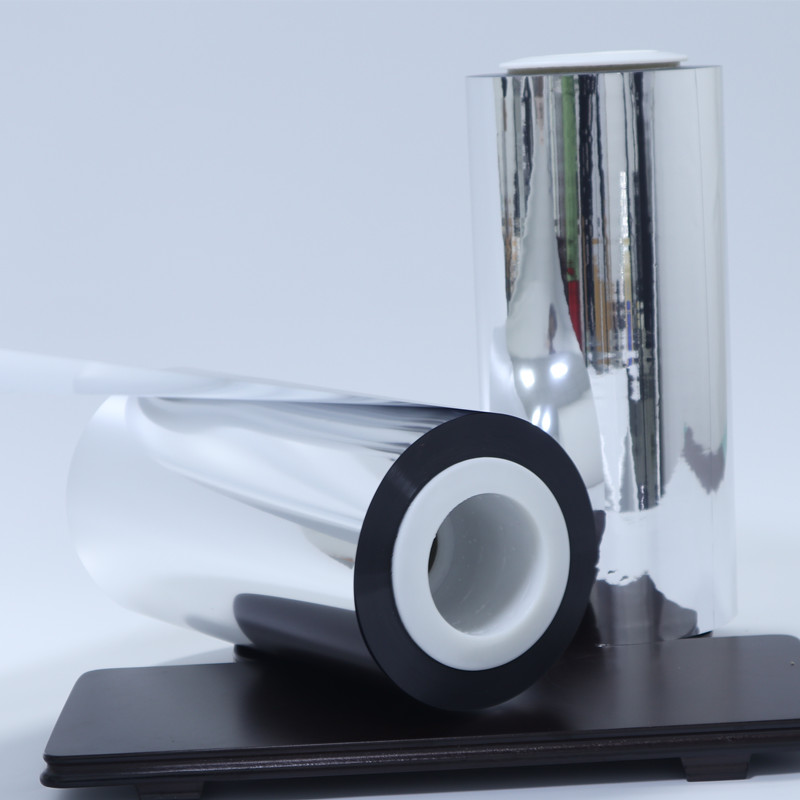
Cailong presents metallized BOPP in Cailong's film portfolio as a barrier material for laminate development, including PP-based structures. The supplied brochure confirms the material family. Its deposited aluminum layer provides a different construction from a continuous foil layer, so the proposed wrapper needs its own mechanical evaluation. No dead-fold value or universal springback limit is supplied for the customer's finished format.
Explain what the fold must do
Some folds simply help form a package before sealing. Others must hold the wrapper around the product without another closure. A fold may also be expected to remain closed after the consumer opens and refolds it. Identify which of these functions matters. The acceptance decision changes when the fold is a forming aid rather than the only feature maintaining the package shape.
Draw the actual sequence and identify where the operator or machine applies force. Include the product's support and the amount of overlap. A flat specimen folded in half does not necessarily represent a wrapper around a rigid product. Keep the intended shape and handling motion in view before deciding how to compare candidate materials.
Separate metallic coating from foil behavior
The term metallized describes a surface layer on a polymer web. It should not be treated as evidence that the complete construction inherits every behavior of a foil-containing wrapper. The base film, other laminate layers and their arrangement contribute to the response after folding. Ask for the exact structure rather than assuming that any shiny film is mechanically interchangeable with foil.
This does not rule out a replacement project. It defines the functions that must be compared. Barrier, appearance, fold retention and sealing can each be assessed with relevant evidence. A candidate may meet several requirements while needing a changed closure design for another. Making that difference explicit helps the buyer evaluate the whole proposal instead of discovering it after a line trial.
Observe springback consistently
Agree on the specimen dimensions, fold geometry and way the fold is formed. Record the condition immediately after release and after the relevant interval. The observation might concern an opening angle, a gap or the retained package shape. Select the criterion from the actual use requirement rather than inventing a standard pass value for all metallized BOPP.
Keep force application and support comparable between specimens. A fold pressed firmly over a sharp bench edge is a different preparation from one formed loosely by hand. If the production machine creates the crease, include machine-made samples in the evaluation. Otherwise, a promising laboratory result may describe a fold the line does not reliably produce.
Keep gauge and laminate identity attached
Changing thickness can alter handling and the response of a folded wrapper. Record each layer and its gauge, not only the commercial material name. Where alternatives differ, make those differences explicit in the comparison. Do not credit the metallized coating with an improvement that may have come from a different supporting layer or an additional closure feature.
Film direction should also be identified on the trial blanks. Evaluate the orientation used by the actual pack layout. If the design requires several folds in different directions, inspect each relevant location rather than approving the construction from a single fold. The complete wrapper may reveal a local problem that is not obvious in one straight coupon.
Follow the wrapper through normal handling
Place the folded samples around the intended product or a representative form. Observe whether the overlap stays positioned during packing, transfer and storage. Distinguish the fold reopening from the wrapper sliding around the contents. The two events can produce a similar loose appearance but require different process or design changes.
If the consumer is expected to refold the wrapper, include that action as a separate requirement. Do not imply that a neat unopened package guarantees a useful reclosure. Likewise, a reclosed fold should not be described as restoring the original barrier seal unless that function has been established. Shape retention and hermetic protection are separate package attributes.
Review alternatives to relying on the crease
A replacement construction may use a seal or another specified retention feature instead of depending entirely on dead fold. That is a package redesign and should be assessed as such. Identify any change to equipment, opening behavior and consumer handling. The material comparison should show the practical consequence, not present the new design as a like-for-like substitution when its closure mechanism has changed.
Avoid adding a heavier layer solely to imitate the old feel before checking what the package actually needs. Any increase in material or conversion work should have a defined purpose. Compare complete accepted packs and their processing requirements. Do not promise lower weight or cost from a metallized alternative without the measurements and quotation needed to support the claim.
Check protection after folding
The wrapper still needs its specified product protection. Inspect the effect of the agreed fold pattern on the converted construction, using appropriate integrity and barrier evidence. A retained crease does not demonstrate intact barrier, and a low flat-film transmission value does not demonstrate acceptable wrapper shape. Keep both outcomes in the trial record.
Send Cailong the current foil-based construction, folded sample and required retention behavior. Include the proposed sealing or closure route and the product geometry. Metallized BOPP can then be evaluated for its barrier role within a workable wrapper design, with fold retention established by the actual format rather than inferred from metallic appearance.
Comment