Heat-Seal PET Film for Fresh Pasta Tray Lidding
Sep 14,2026 | FOSHAN CAILONG METALLIC PACKAGING MATERIAL CO.,LTD
Fresh pasta trays can leak when flour, oil or product reaches the flange, while excessive seal strength can damage the tray or frustrate opening.
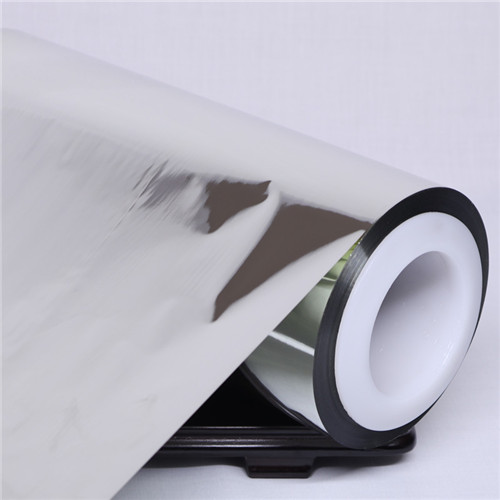
Begin with the sealing role described for Heat-Seal PET Film PET-RF. The Chemical-Enhanced Metallized PET Film belongs to a separate opaque-barrier route, so fresh-pasta packers should not assume the two products solve the same interface problem. The Cailong film range supplies the rest of the product context.
Fresh pasta makes the seal window visible
A tray of refrigerated ravioli or noodles can leave flour, oil or filling residue on the flange. A seal that passes on a clean tray may then leak in normal production. Increasing temperature or dwell time can create a different problem: lid distortion, excessive peel force or fiber-like tearing at opening. Film selection must be connected to the real tray, flange condition and line speed.
Where PET-RF fits in the evaluation
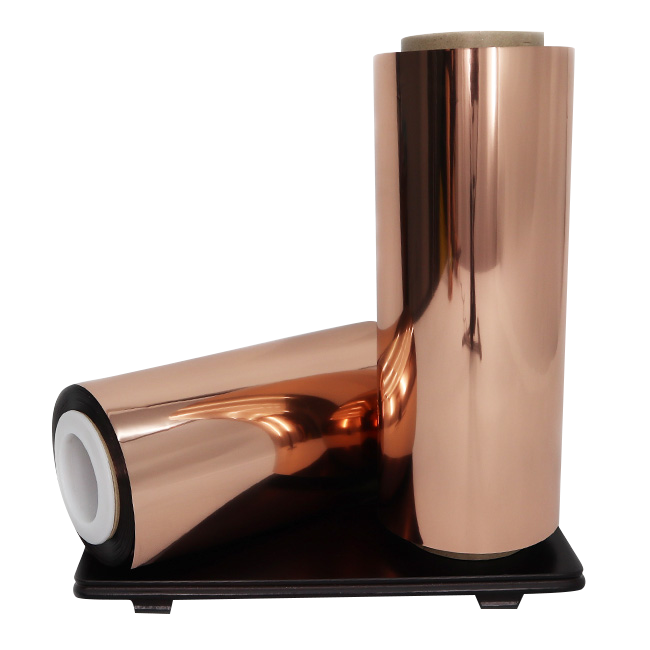
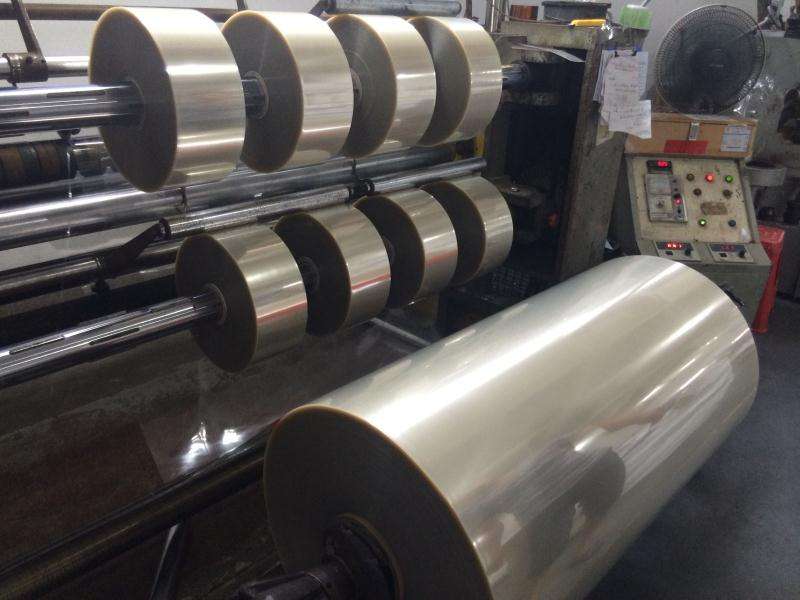
Cailong lists Heat-Seal PET Film PET-RF as a heat-sealable PET product. It can be screened as a lidding web when the packer wants a PET-based lid and needs to test direct seal behavior against the chosen tray. The related Chemical-Enhanced Metallized PET Film serves a different function where opacity and a metallized barrier layer are being considered in a laminate. It should not be treated as the same sealing material.
The tray determines more than the film name
Identify the tray polymer, recycled-content policy, flange width, surface treatment and any lidding coating before requesting a sample. A PET lid does not automatically seal to every PET-family tray, and a sealable coating can change the interface. One possible construction for evaluation is printed PET-RF used as the lidding web over a compatible tray, but printing, food-contact status and seal compatibility must be confirmed for the selected grade and market.
Create dirty-flange and cold-chain tests
Map seal strength across the full temperature, pressure and dwell-time range at production speed. Repeat the test with controlled flour, oil and product contamination on the flange. After sealing, expose packs to filling temperature, cooling, stacking, transport vibration and refrigerated storage. Inspect channel leaks, corner lifting, lid curl, fogging, print damage and consumer peel behavior. Use filled trays because headspace and pasta movement can load the seal differently from empty packs.
Define the trial before asking for a quotation
Provide the tray material and supplier, flange drawing, lid dimensions, current lidding web, printing requirement, line model, packs per minute, seal settings, storage temperature, target life and observed leak location. Include the desired opening behavior and any confirmed regulatory requirement for the destination. Cailong can then review whether PET-RF should enter the sealing trial and which documentation still needs grade-specific confirmation.
Comment