VMBOPP or VMPET for Roasted Nut Pouches?
Sep 14,2026 | FOSHAN CAILONG METALLIC PACKAGING MATERIAL CO.,LTD
Roasted nuts need oxygen, aroma and light protection, but a switch from VMPET to VMBOPP changes stiffness, flex response and laminate compatibility.
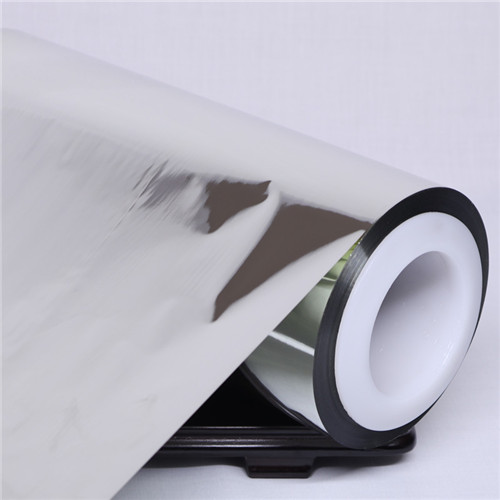
The High-Barrier Metallized BOPP Film page defines the PP-based candidate. Put it beside the Ultra-High-Barrier Metallized PET Film when deciding whether polymer family or the current PET converting route should control the nut-pouch trial. The metallized film portfolio provides the nearby metallized alternatives.
The decision starts with rancidity risk
A roasted nut pouch does more than keep the product dry. Oxygen can accelerate rancid flavor, light can affect sensitive oils, and aroma can escape through a weak package. At the same time, sharp nut pieces and distribution flexing can challenge the metallized layer. Buyers comparing VMBOPP with VMPET should specify the finished pouch target and the current failure before changing the barrier web.
Why VMBOPP enters a PP-based project
Cailong lists High-Barrier Metallized BOPP Film as a metallized barrier option. It can be evaluated when the converter is building around PP-family webs and wants the barrier layer to follow that material direction. The related Ultra-High-Barrier Metallized PET Film remains a different route where the existing equipment, print web or laminate design is PET-based. Polymer-family alignment may support a design objective, but it does not prove recyclability or equal package performance.
VMPET and VMBOPP are not drop-in equivalents
PET and BOPP differ in stiffness, thermal behavior and converting response. A structure that runs well with VMPET may need changes to tension, adhesive application, curing and pouch-making conditions when VMBOPP is introduced. Metallized-layer adhesion and barrier retention after creasing are particularly important for nut packs that are squeezed in cartons or handled repeatedly. The sealant still controls seal integrity; the metallized web cannot compensate for oil or fragments in the seal area.
Build the comparison around finished pouches
Request grade-specific OTR and WVTR with units and test conditions for both candidates. Produce trial laminates at normal width and speed, then test barrier after lamination and controlled flexing. Pack the same roasted nut lot with matched headspace or nitrogen-flush conditions. Monitor oxygen-related flavor change, aroma retention, moisture pickup, seal leakage, pinholes and package appearance over the required storage period.
Choose the next trial from the current structure
Send Cailong the current laminate, target PP content, pouch size, fill weight, nut type, oil content, nitrogen-flush method, shelf-life target, barrier requirement, converting speed and failure samples. State whether the project is driven by material-family alignment, better barrier, flex durability or supply. That brief allows the two metallized routes to be compared without assuming that either one is a universal replacement.
Comment