Metallized PET Film Optical Density Guide
Sep 15,2026 | FOSHAN CAILONG METALLIC PACKAGING MATERIAL CO.,LTD
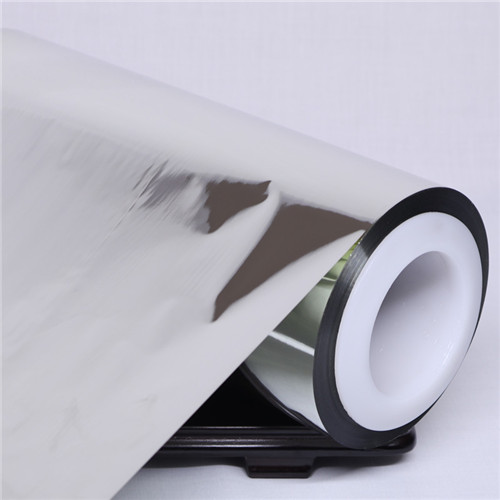
Metallized PET Film buyers may use optical density as a quick incoming check, but OD alone cannot approve oxygen barrier, moisture barrier or metal adhesion. It tells the converter how much light passes through the metallized layer under the chosen measurement method; it does not describe every function of the finished laminate.
A Metallized Film Supplier should agree on the measuring instrument, calibration, sampling pattern and reporting precision before OD becomes a purchase specification. Otherwise, two laboratories can report different values for the same roll and turn a useful control into a commercial dispute.
What Optical Density Can Reveal
OD can help identify gross variation in aluminum deposition. A low band, edge fade or repeating streak may correspond with visible shade differences and reduced light shielding. A stable cross-web and down-web profile supports consistent metallic appearance, which matters for printed packaging as well as decorative uses.
Cailong’s VPET-GZ product page lists a 12 μm PET substrate and identifies aluminum thickness by an OD requirement of at least 2.5 using GB/T15717. It also separates the range into VPET-GZ, GZ01, GZ02 and GZ03 barrier grades. Those grade names and the stated method should remain attached to any comparison; a result from another construction is not automatically equivalent.
Why OD Is Not a Barrier Certificate
A metallized layer can have similar average OD while differing in pinhole population, coating continuity, edge quality or damage after conversion. Oxygen and water vapor transmission therefore need their own reported methods, units and environmental conditions. Do not estimate OTR or WVTR from one OD reading.
Metal adhesion is also independent. A roll can show acceptable optical density at incoming inspection but transfer aluminum during adhesive contact or peel testing. Barrier may then decline after lamination even though the original OD record looked stable. The failure surface should be photographed so the converter can distinguish adhesive failure, cohesive failure and metal pick-off.
Build a Useful OD Sampling Plan
Measure at defined positions across the usable width rather than taking one convenient center reading. Repeat at the beginning, middle and end of a roll when the risk justifies it. Record the side measured, orientation, instrument aperture and any backing used behind the sample. Keep retained specimens protected from scratches and fingerprints.
Set two acceptance concepts: the permitted absolute range and the permitted variation within a roll. The first checks whether the product matches the ordered grade; the second addresses visible banding and process consistency. Limits should be agreed from qualified production trials, not copied from an unrelated application.
Connect the Measurement to the Package
For light-sensitive products, test the complete package under the actual light exposure and shelf-life plan. Printing, clear windows, seals and folds can create transmission paths that an OD reading on the metallized area does not represent. For appearance-critical packs, inspect color and shade after lamination because adhesive and printed inks can change the visual result.
A productive sample request includes the current film, target VPET-GZ grade, laminate structure, required OTR/WVTR conditions, light-protection need, print design, roll width and proposed OD sampling map. This lets Cailong align optical density with barrier and converting requirements instead of treating one number as a complete quality specification.
Comment