VMPET Film for Coffee Packaging
Aug 31,2026 | FOSHAN CAILONG METALLIC PACKAGING MATERIAL CO.,LTD
Coffee packaging does more than hold a dry product. It must manage oxygen, moisture, aroma loss, light, degassing and repeated handling while keeping seals and any valve area intact. VMPET Film for Coffee Packaging is useful only when the metallized layer remains protected through conversion and distribution. The buyer’s task is to connect material data with the failure mode that matters in commercial use.
Define the Coffee and Distribution Route
Whole bean, ground coffee and instant coffee do not create the same package demand. Define roast condition, residual oxygen target, degassing behavior, fill temperature, pack size, climate, distribution and target shelf life before comparing films.
Why VMPET Film for Coffee Packaging Is Considered
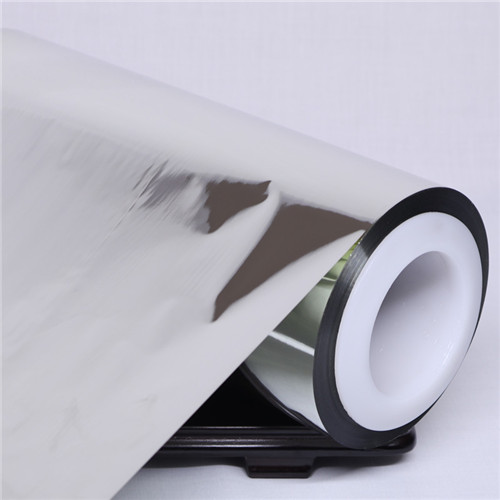
A metallized PET coffee bag can provide an opaque barrier layer with PET stiffness and conversion familiarity. The aluminum deposit can help with oxygen, moisture and light control, but actual values belong to the exact grade and stated test conditions.
Choose a VMPET Laminate Structure
A typical VMPET laminate structure combines a printable outer layer, protected metallized PET barrier web and a sealant selected for the filling line. The exact arrangement depends on stiffness, puncture, sealing, valve attachment and local recycling objectives.
Protect Aroma at Seals and Valve Areas
Coffee aroma barrier film cannot compensate for channel leaks, coffee dust in the seal, weak valve bonding or a poorly controlled zipper. Inspect these local areas and use leak testing that reflects the commercial pouch.
Test High Barrier VMPET After Flexing
High barrier VMPET can lose protection if the metal layer is scratched, creased or picked off. Compare incoming film with cured laminate and filled pouches after drop, vibration and compression. Map failures to corners, folds and valve openings.
Do Not Use Optical Density as a Shelf-Life Claim
Optical density is a useful metallization control, but it does not alone establish OTR, WVTR or coffee shelf life. Review each metric separately and avoid converting a supplier’s typical number into a finished-package guarantee.
Run Filled Coffee Pouch Trials
Use production coffee, real valves, commercial filling and the intended nitrogen-flush or degassing process. Measure seal integrity, residual oxygen where relevant, aroma or sensory stability under an agreed protocol, appearance and barrier through storage.
Information to Put on the Film RFQ
State grade, thickness, width, optical-density range, metal adhesion, treatment, roll build, test methods, storage and traceability. The linked product page is a starting point; confirm current grade-specific data and whether values are typical or guaranteed.
Connect Film Results with Product Shelf-Life Risk
Prepare an approved control and the candidate Ultra-High Barrier VMPET under the same conditions. Use material from representative cross-web lanes and more than one roll position. Keep the other films, ink, adhesive, sealant or assembly components constant. Record start-up separately from steady production because tension, temperature and winding can change during stabilization. If a defect appears, photograph its location and retain both sides of any peeled interface. Averages alone can hide a severe local weakness, so report the range and the worst relevant position as well as the mean.
Decision criteria should follow the commercial consequence of roasted coffee needs aroma and oxygen protection, but pouch flexing, valves and seals can weaken the real package. Define which result triggers adjustment, quarantine, supplier review or rejection before the trial begins. Repeat any unexpected measurement after checking calibration, conditioning and specimen preparation. When the candidate passes, retain converted samples and the processing record. This evidence makes a later change in film lot, adhesive, machine setting or package geometry easier to isolate and prevents a successful trial from becoming an undocumented one-time result.
Questions for the Supplier and Converter
Before approval, confirm the product identity on the Ultra-High Barrier VMPET product page, then request the current grade document. Agree on sampling, conditioning, units and test methods. Review an additional technical film resource only when it directly supports the selected application. Avoid mixing results from different thicknesses or unreported conditions.
The trial report should state the customer problem—roasted coffee needs aroma and oxygen protection, but pouch flexing, valves and seals can weaken the real package. It should also explain the chosen angle: translate coffee shelf-life risks into laminate, valve and finished-pouch checks. This makes the decision useful to purchasing, engineering, quality and the film supplier.
Frequently Asked Questions
Can Ultra-High Barrier VMPET be approved from a supplier datasheet alone?
No. Datasheet values help screening, but approval should use the exact grade, stated methods and the converted structure under representative service conditions.
Should buyers test Ultra-High Barrier VMPET before or after conversion?
Both are useful. Incoming tests establish a baseline; converted-part and finished-package tests reveal damage, interfaces and geometry that flat film data cannot show.
How should typical values be used in a purchase specification?
Treat them as reference information unless the supplier explicitly agrees to a guaranteed limit, test method, conditioning and sampling plan for the exact grade.
What should accompany a production trial?
Record film lot, thickness, roll position, storage, machine settings, other materials, conditioning and the exact acceptance method so results can be reproduced.
Final Selection Focus
VMPET Film for Coffee Packaging should be approved through evidence from the real structure and process. Establish an incoming baseline, reproduce conversion and service stresses, investigate local defects, and set limits only where the method and business risk are clear. That approach turns a film comparison into a controlled material decision.
Comment