Metallized BOPP Film for Tea Packaging
Aug 31,2026 | FOSHAN CAILONG METALLIC PACKAGING MATERIAL CO.,LTD
Dry tea can lose quality through moisture pickup, aroma loss, oxidation and light exposure. Small sachets also create many seals and folds relative to their product volume. Metallized BOPP Film for Tea Packaging should therefore be chosen from the complete pack requirement, not from appearance or optical density alone. The buyer’s task is to connect material data with the failure mode that matters in commercial use.
Different Tea Formats Need Different Protection
Loose-leaf tea, powder, pyramid bags and individually wrapped sachets differ in surface area, sharpness, headspace and opening pattern. Define humidity, climate, pack size and shelf life before setting barrier and seal targets.
How Metallized BOPP Film for Tea Packaging Works
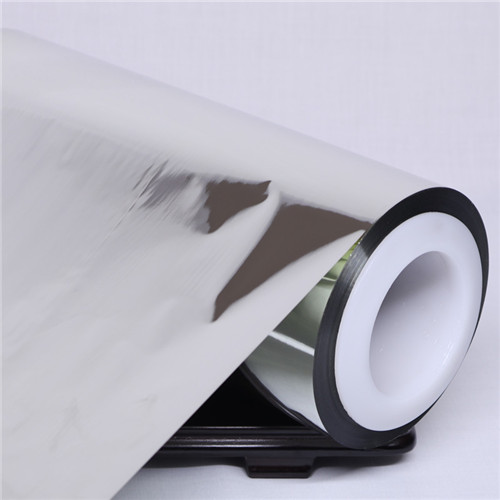
High barrier metallized BOPP combines a PP substrate with deposited aluminum. It may support moisture, oxygen and light protection while fitting a PP-oriented design. Confirm grade-specific performance under stated methods.
Build a PP Barrier Laminate Around the Product
A PP barrier laminate may use printable BOPP, protected VMBOPP and CPP or another compatible sealant. Structure simplification can aid material-family alignment, but inks, adhesives, zippers and labels still affect recycling assessment and performance.
Control Seals in Small Tea Packs
A VMBOPP tea pouch needs stable seals despite tea dust, folds and high packaging speed. Check hot tack, seal initiation, dwell, pressure and contamination tolerance using the real line and product.
Track Moisture Barrier Film for Tea Through Conversion
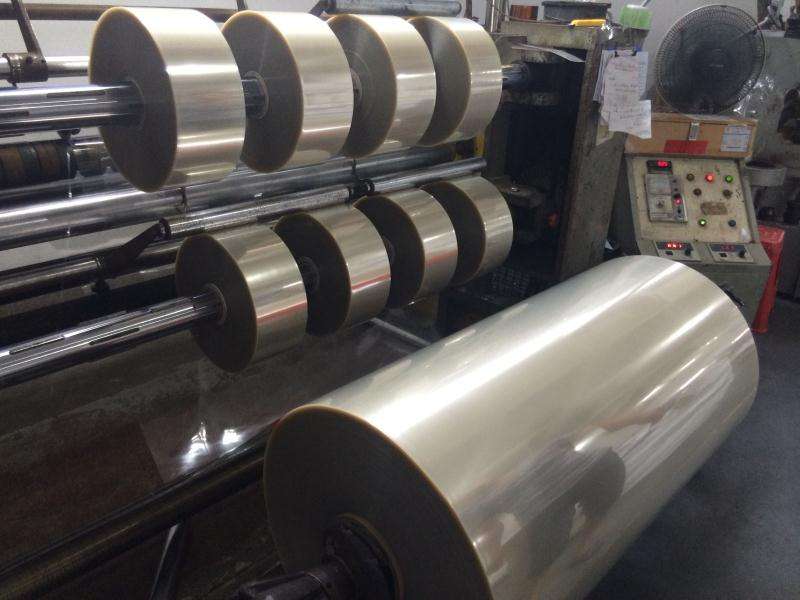
A moisture barrier film for tea can be damaged by roller contamination, excessive tension, creasing or hard winding. Measure the laminate after cure and sample folds or gussets after pouch making instead of relying only on flat incoming film.
Consider Aroma Scalping and Product Contact Layers
Tea aroma barrier packaging includes the sealant and adhesive because volatile compounds can interact with polymer layers. Conduct appropriate sensory and compatibility work without assuming that a strong oxygen barrier guarantees aroma retention.
Compare Shelf-Life with a Current Structure
Benchmark the proposed structure against the current pouch using the same tea, fill, storage climate and sampling intervals. Compare moisture, aroma or sensory results, leaks, seal strength and appearance; avoid unsupported shelf-life multipliers.
Set Practical Incoming Controls
Specify thickness, width, treatment and metal side, optical density, metal adhesion, barrier methods, roll profile, slit quality and traceability. Confirm which linked product-page figures are reference values and which can be contract limits.
Approve the Commercial Pouch
Run enough material to expose production-width and roll-length variation. Approve printing, lamination, cure, slitting, pouch making, filling, distribution simulation and storage as one controlled trial.
Use a Commercial-Scale Decision Matrix
Prepare an approved control and the candidate High-Barrier Metallized BOPP Film under the same conditions. Use material from representative cross-web lanes and more than one roll position. Keep the other films, ink, adhesive, sealant or assembly components constant. Record start-up separately from steady production because tension, temperature and winding can change during stabilization. If a defect appears, photograph its location and retain both sides of any peeled interface. Averages alone can hide a severe local weakness, so report the range and the worst relevant position as well as the mean.
Decision criteria should follow the commercial consequence of tea loses aroma or gains moisture even though the incoming metallized film appears acceptable. Define which result triggers adjustment, quarantine, supplier review or rejection before the trial begins. Repeat any unexpected measurement after checking calibration, conditioning and specimen preparation. When the candidate passes, retain converted samples and the processing record. This evidence makes a later change in film lot, adhesive, machine setting or package geometry easier to isolate and prevents a successful trial from becoming an undocumented one-time result.
Questions for the Supplier and Converter
Before approval, confirm the product identity on the High-Barrier Metallized BOPP Film product page, then request the current grade document. Agree on sampling, conditioning, units and test methods. Review an additional technical film resource only when it directly supports the selected application. Avoid mixing results from different thicknesses or unreported conditions.
The trial report should state the customer problem—tea loses aroma or gains moisture even though the incoming metallized film appears acceptable. It should also explain the chosen angle: focus on moisture, aroma and small-pouch conversion risks in a pp-oriented structure. This makes the decision useful to purchasing, engineering, quality and the film supplier.
Frequently Asked Questions
Can High-Barrier Metallized BOPP Film be approved from a supplier datasheet alone?
No. Datasheet values help screening, but approval should use the exact grade, stated methods and the converted structure under representative service conditions.
Should buyers test High-Barrier Metallized BOPP Film before or after conversion?
Both are useful. Incoming tests establish a baseline; converted-part and finished-package tests reveal damage, interfaces and geometry that flat film data cannot show.
How should typical values be used in a purchase specification?
Treat them as reference information unless the supplier explicitly agrees to a guaranteed limit, test method, conditioning and sampling plan for the exact grade.
What should accompany a production trial?
Record film lot, thickness, roll position, storage, machine settings, other materials, conditioning and the exact acceptance method so results can be reproduced.
Final Selection Focus
Metallized BOPP Film for Tea Packaging should be approved through evidence from the real structure and process. Establish an incoming baseline, reproduce conversion and service stresses, investigate local defects, and set limits only where the method and business risk are clear. That approach turns a film comparison into a controlled material decision.
Comment