Red PET Film for Gift Tube Collars
Nov 19,2026 | FOSHAN CAILONG METALLIC PACKAGING MATERIAL CO.,LTD
A colored collar around a gift tube can identify a flavor or seasonal version while leaving the main carton artwork common across the range. A red film is one option when the pack needs a broad, consistent colored face with a glossy appearance. Buyers considering red PET film should compare the color in the assembled collar, including the overlap and the supporting tube. The design can then use a common stock without relying on a printed red field to create the entire effect.
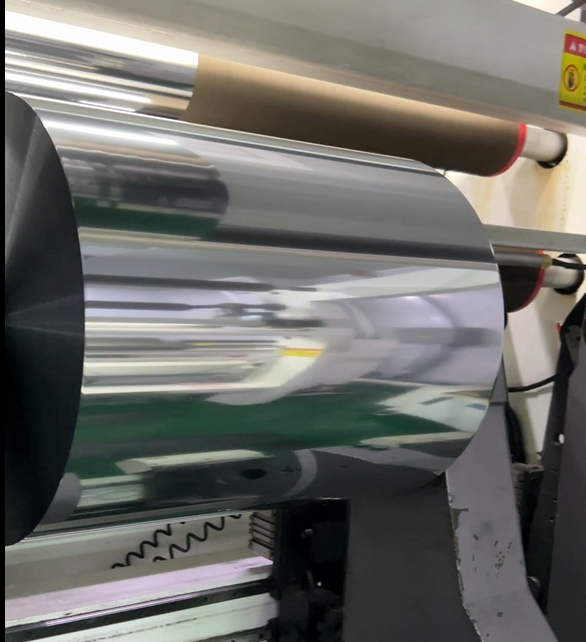
Cailong's film portfolio lists original red PET film. Confirm the offered shade, gauge, surface and supply width. Ask whether the quoted material contains the color in the base film or uses another construction, and retain the supplier's description with the sample. Appearance on the finished tube also depends on the background, any print and the number of layers at the overlap. Approve those conditions together.
Decide how color will identify the range
Use actual cartons or tube samples in the first layout. Mark the visible band width and the position relative to the lid and product name. A narrow collar can serve as a cue while leaving the main packaging visible. A broad sleeve can carry additional information but may cover an existing feature of the common tube. Compare the alternatives at the expected shelf distance.
Place all intended color or graphic variants together. The buyer should see how the red collar relates to the other pack finishes. If it is meant to distinguish one product from another, include the two versions that appear most similar under store lighting. Keep the packaging references used for the decision. A swatch viewed alone cannot show whether a color makes the required distinction in the assortment.
Choose a collar construction that fits the tube
Draw the supporting tube, film blank and overlap. Identify whether the film will be laminated to a support, joined as a loose collar or converted through another approved route. Confirm how it is retained when the lid is opened. A decorative web can be used in several constructions, and the material quote needs to state which operations will be carried out by the converter.
Trial the smallest and largest tube within the expected fit range. Check the overlap and the clearance where a customer grips the pack. A collar can remain flat in an unfilled sample and move when the filled tube is handled. Record whether it is meant to stay in place or slide off during opening. Preserve the accepted dimensions with the actual tube used in the trial.
Compare the color over the intended backing
View a flat reference over the production substrate, then compare the formed or wrapped collar. If the overlap produces a darker band, record how that region faces in the final design. The buyer can place the joint on a less visible side or design a print element around it where the converter confirms the arrangement. Changing overlap geometry may be more appropriate than changing the whole shade.
If opacity or light transmission is relevant, ask for data on the selected gauge and method. Keep the resulting sample with its backing and layer count identified. A single layer and a double overlap can give different visual results. Include a section showing both in the appearance reference so subsequent orders can be compared under equivalent conditions.
Add only the printing the application needs
Decide which information belongs on the film and which remains on the common carton. A small symbol or variant name can make the colored collar more useful without filling the whole area. Have the converter prepare the actual ink and layout on the offered surface. Check fine wording at the intended reading distance and inspect how the print sits beside the overlap or cut edge.
If several designs will share the stock, give the converter individual quantities and an agreed shade reference. Keep artwork changes separately identifiable. A red material can form a stable starting point while the print colors and positions differ by version. The incoming material and finished design checks should each have an appropriate retained example.
Include the packing and opening sequence
Fit the collars using the normal application method. Inspect whether the exposed edge catches during boxing or nesting and whether the visible face touches an adjacent package. Use representative full cases or trays when the format is stacked. Check the material after separating the units. A finished collar can be acceptable as an isolated sample and show marks only after its normal packing contact.
Open the tube with the collar in place and record whether it blocks the lid, tears as designed or needs removal first. If the customer keeps the packaging, check that the remaining edge and graphic still look appropriate. The intended consumer sequence should guide the chosen construction. Include this observation with the physical reference used for purchasing.
Request a complete and comparable quote
Send the requested shade, gauge, roll width and surface requirements to the supplier. Provide the converter with the tube dimensions, cut blank, joint arrangement and artwork. State whether the material will arrive as film rolls or a finished collar. Retain an unprinted film piece, a converted flat blank and an accepted assembled tube.
For a collar that bridges the lid and body, record whether it is meant to remain intact during opening or be removed first. Test that action with the actual join and any printed opening guide. A collar supplied for decoration can require a different converting detail when the design also expects it to control the opening sequence.
When the tube diameter or pack finish changes, review the fit and color at the overlap. A shared material may still serve the family if those application details remain within the approved reference. The sourcing record can then identify the red PET stock and the finished collar that delivered the appearance and opening behavior the buyer accepted.
Comment