Ultra-High Barrier Metallized PET Film and the Buyer’s Shelf-Life Problem
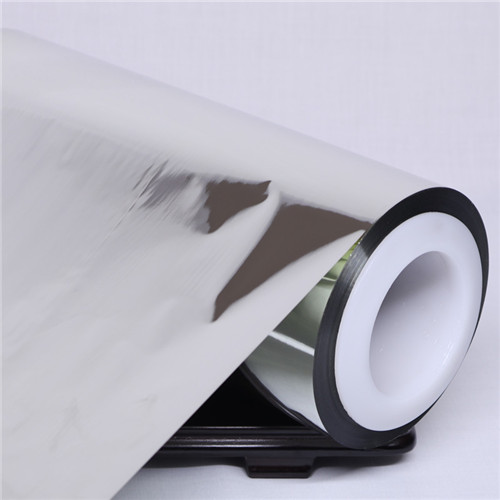
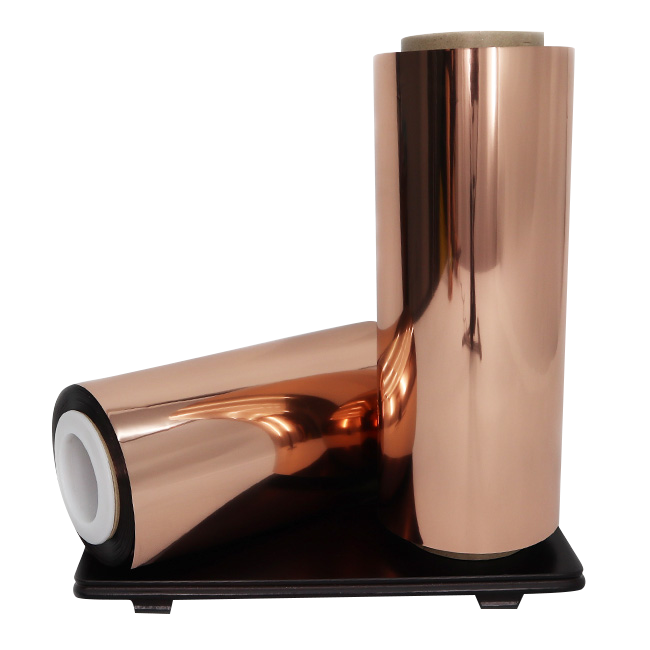
Ultra-High Barrier Metallized PET Film is considered when a packaging buyer needs stronger product protection but wants to reduce the weight, rigidity, or converting complexity associated with foil-based structures. Cailong Ultra-High Barrier Metallized PET Film combines a PET substrate with an extremely thin aluminum layer deposited under vacuum. The construction improves resistance to oxygen and moisture and blocks light and ultraviolet exposure.
Those functions are important for products that can oxidize, absorb moisture, lose aroma, change color, or deteriorate under light. However, the phrase “ultra-high barrier” should not replace application engineering. The film is one component in a package that also includes printing, adhesives, sealants, folds, edges, and seals. The final shelf life depends on all of them.
For procurement teams, the real question is not whether metallized PET is “good.” It is whether the selected grade and laminate can protect the specific product through filling, storage, shipping, retail, and use at an acceptable total cost.
How Metallized PET Creates Barrier Performance
Vacuum metallization deposits a thin aluminum layer onto PET film. PET provides mechanical support, dimensional stability, and converting performance. The aluminum layer contributes the barrier and reflective metallic appearance.
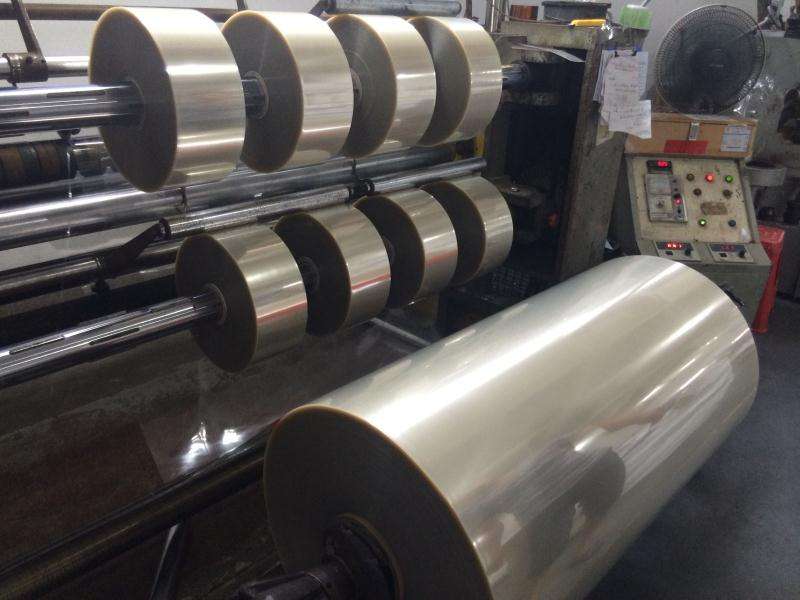
Unlike solid aluminum foil, metallized PET contains only a very thin deposited metal layer. This can reduce material weight and improve flexibility. It can also support high-speed printing, lamination, slitting, and pouch-making processes when the converter establishes suitable settings.
The barrier contribution depends on the continuity and integrity of the aluminum layer. Scratches, flex cracks, coating nonuniformity, poor adhesion, or rough handling may create pathways for oxygen or water vapor. Buyers should therefore evaluate both initial film performance and barrier retention after converting.
Define the Product Risk Before Selecting a Film
Packaging material selection should begin with the product, not a preferred structure. A dry snack may primarily need moisture protection to preserve crispness. Coffee or tea may require oxygen control and aroma retention. Pharmaceutical products may be sensitive to moisture, oxygen, and light at the same time. Precision electronic components may require protection from humidity and environmental contamination.
A useful technical brief should define:
Target shelf life and storage conditions
Oxygen and moisture sensitivity
Light and ultraviolet sensitivity
Aroma-retention requirements
Product oil, flavor, or chemical content
Filling temperature and process
Distribution climate and transportation stress
Required package format and seal design
Once the failure modes are clear, the buyer can compare candidate films using relevant data. Barrier results must be read together with test temperature, humidity, sample condition, and method. Data from different conditions should not be treated as directly equivalent.
Converting Risks That Affect Barrier Retention
Barrier Retention After Printing and Lamination
An untouched roll sample may perform differently from a finished pouch. Printing and lamination introduce web tension, heat, nip pressure, adhesive chemistry, rollers, and winding stress. Pouch making adds folding, sealing, and repeated handling.
Potential causes of barrier loss include:
Scratches from contaminated or rough rollers
Excessive tension during printing or slitting
Sharp folds and repeated flexing
Excessive nip pressure
Poor winding or crushed roll edges
Incompatible adhesive systems
Metal-layer transfer or separation
For this reason, barrier testing should be staged. Measure the original film, the cured laminate, the converted package, and the package after transport or flex simulation. Comparing those stages helps identify where performance changes and whether the problem comes from the film, the process, or the package design.
Evaluating Aluminum Foil Replacement
Cailong Ultra-High Barrier Metallized PET Film can be evaluated as an aluminum foil replacement in suitable structures. The potential advantages include lower material weight, improved flexibility, a metallic appearance, and more convenient converting. A successful replacement may also reduce packaging cost.
The word “replacement” must be used carefully. Foil generally provides a very strong barrier when intact, but it can crease or pinhole under severe flexing. Metallized PET behaves differently and does not automatically match every foil property. A buyer should list the exact functions provided by the current foil structure before proposing a change.
The comparison should cover:
Oxygen and water-vapor protection
Light and ultraviolet shielding
Flex-crack and pinhole behavior
Puncture resistance and stiffness
Print and laminate compatibility
Sealing and package integrity
Weight and material yield
Production speed and scrap rate
Finished-product shelf life
If the current foil also contributes dead-fold behavior, stiffness, or special forming performance, those functions must be considered separately. A shelf-life trial with the actual product is essential.
Adhesion Is Part of Barrier Reliability
The aluminum layer must remain anchored to the PET during converting and use. Weak metal adhesion can lead to metal transfer, visual defects, lower laminate bond strength, and barrier deterioration.
Total laminate strength depends on several interfaces: metal to PET, adhesive to the metallized surface, adhesive to the companion web, and ink to the printed surface. A strong adhesive cannot correct a weak underlying interface. Likewise, good metal adhesion cannot compensate for incorrect adhesive mixing or incomplete curing.
Buyers should ask how metal-layer adhesion is tested and whether the procedure is comparable across suppliers. Sample width, adhesive or tape, curing time, peel speed, and conditioning can influence results. The qualification should also include peeling of the finished laminate after full cure, with attention to the location and mode of failure.
Printing and Lamination Process Control
Ultra-High Barrier Metallized PET Film usually works inside a printed or laminated package. Reliable production depends on compatibility among the film, ink, adhesive, and second substrate.
Converters should evaluate:
Surface identification and treatment level
Ink wetting, drying, and adhesion
Adhesive coating weight and uniformity
Drying efficiency and residual solvent
Initial and fully cured bond strength
Appearance of the metallic surface after curing
Metal transfer during peel testing
Web flatness, tension response, and winding
Final barrier and seal performance
Judging bond strength before the adhesive has fully cured can produce misleading conclusions. The required cure time depends on the adhesive, coating weight, temperature, and laminate structure. The trial protocol should therefore reflect the actual production process.
Food and Beverage Packaging Applications
Cailong Ultra-High Barrier Metallized PET Film can be considered for dry foods, snacks, coffee, tea, confectionery, dehydrated products, seasonings, and other items that benefit from oxygen, moisture, and light protection.
Each application should be treated differently. A snack pack may fail if it absorbs moisture and loses crispness. Coffee packaging may prioritize oxygen and aroma control. Chocolate and light-sensitive ingredients may require strong light shielding. A general “food packaging” statement is not enough to select a structure.
The sealant, adhesive, and inks must also be compatible with the contents and filling conditions. Food-contact documentation should be checked for the exact materials and target market. Finished-package testing remains necessary even when individual components have suitable documentation.
Roll Quality and Incoming Inspection
Laboratory barrier data cannot compensate for rolls that are wrinkled, telescoped, contaminated, or damaged. Roll quality directly affects waste, line stability, coating integrity, and finished-package appearance.
Incoming inspection should cover width, roll edges, surface cleanliness, wrinkles, winding quality, core alignment, and visible damage. Rolls should remain in protective packaging until use and be stored under the recommended conditions. In environments with large temperature differences, allowing a cold roll to reach production-room temperature before opening can reduce condensation risk.
Traceable roll identification helps the converter connect any process or barrier issue to the correct batch. Representative incoming checks should be recorded rather than performed only when a problem occurs.
Evaluating Total Packaging Cost
Price per kilogram is not the same as package cost. Metallized PET may offer more area per unit weight than a heavier barrier material, but value also depends on usable yield and production stability.
Procurement teams should compare:
Material yield and finished-package weight
Printing, lamination, and pouch-making speed
Scrap and rejected-laminate rates
Adhesive use and curing time
Roll changes and downtime
Shelf-life losses and customer complaints
Freight and storage cost
Cost of qualification and change management
A slightly higher film price may be justified if it delivers more stable barrier, lower waste, or fewer field failures. Conversely, a low-priced film can become expensive if it creates inconsistent rolls, metal transfer, or short shelf life.
Supplier Qualification Questions
Before approving an Ultra-High Barrier Metallized PET Film supplier, buyers should ask:
What barrier data are available, and under which test conditions?
How are metallization uniformity and coating defects controlled?
How is metal-layer adhesion evaluated?
Which surface is intended for printing or lamination?
What storage and handling conditions are recommended?
What thicknesses and widths can be considered?
Is batch-specific quality information available?
Can trial rolls be supplied for the intended line?
What application details are required before recommending a grade?
The supplier should receive the current laminate, adhesive, line speed, product sensitivity, package format, and shelf-life target. Better input leads to a more relevant trial and fewer assumptions.
Recommended Approval Process
Begin with a technical comparison against the current structure and identify which functions must remain unchanged. Inspect a trial roll, then run printing and lamination under controlled conditions. Allow complete adhesive cure before checking bond strength, metal transfer, appearance, and barrier.
Convert the laminate into the final package, fill it with the actual product, and test sealing, leakage, flexing, and transport resistance. Conduct shelf-life work under relevant storage conditions. Repeat critical checks with representative production rolls before full approval.
This sequence makes foil replacement or barrier upgrading a controlled engineering decision rather than a price-only material substitution.
Conclusion
Cailong Ultra-High Barrier Metallized PET Film combines a PET substrate with a vacuum-deposited aluminum layer to provide oxygen, moisture, light, and ultraviolet protection. It offers a lightweight and flexible barrier option for food, pharmaceutical, and precision-electronics packaging and can be evaluated as an aluminum foil replacement in suitable structures.
The strongest purchasing decision considers more than initial barrier data. Buyers should verify coating integrity after converting, laminate adhesion, roll quality, seal performance, product compatibility, and finished-package shelf life. When the complete structure is qualified, Ultra-High Barrier Metallized PET Film can support reliable protection and a lower total packaging cost.