High Barrier Metallized BOPP Film for Mono-PP Packaging: A Buyer’s Guide to Shelf Life, Recyclability, and Production Stability
Aug 07,2026 | FOSHAN CAILONG METALLIC PACKAGING MATERIAL CO.,LTD
Why High Barrier Metallized BOPP Film Is Gaining Buyer Attention
Flexible packaging commonly relies on mixed-material laminates because different polymers provide printability, stiffness, barrier, toughness, and sealing. These structures can perform well during use, but their combination of PET, PE, PP, nylon, foil, and coatings may complicate sorting and recycling.
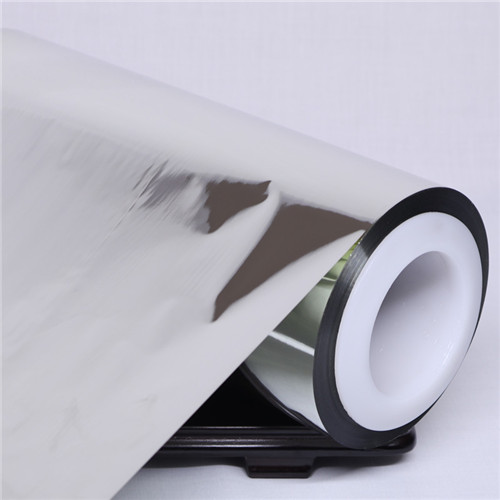
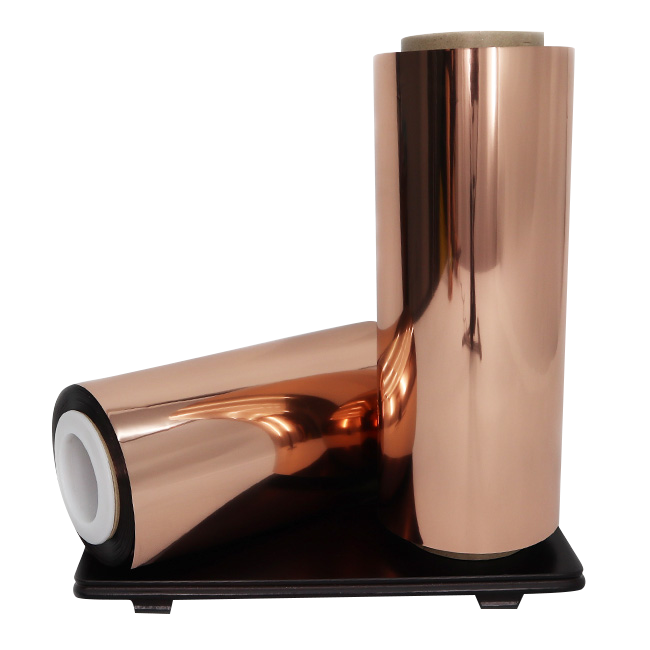
High Barrier Metallized BOPP Film offers another route. BOPP is a biaxially oriented polypropylene film. When it is metallized and combined with compatible PP layers, it can support a mono-material PP packaging strategy while still providing protection against oxygen, moisture, and light.
Cailong High Barrier Metallized BOPP Film provides oxygen transmission as low as 0.12 cc/m²·24h, water vapor transmission of 0.18 g/m²·24h, and aluminum-layer adhesion up to 3.5 N/15 mm. It can be evaluated as a replacement for VMPET or aluminum foil in suitable dry-food, snack, nut, and daily-care packaging structures.
The commercial opportunity is significant, but qualification must be disciplined. A metallized BOPP layer does not automatically make a pouch recyclable, and laboratory barrier values do not automatically guarantee shelf life after printing, lamination, folding, and filling.
Understanding the Verified Barrier Values
Oxygen transmission rate and water vapor transmission rate are central purchasing criteria for sensitive packaged goods.
Cailong High Barrier Metallized BOPP Film reaches an OTR as low as 0.12 cc/m²·24h and a WVTR of 0.18 g/m²·24h. These values indicate strong oxygen and moisture protection under the relevant test conditions.
Buyers should always request the associated method, temperature, humidity, sample orientation, and conditioning. Barrier results measured under different conditions should not be compared directly.
The target values must also match the product. Nuts and products containing oil may prioritize oxygen protection to reduce oxidation. Crispy snacks and dry powders may prioritize moisture resistance. Tea, coffee, spices, and fragrances may require aroma retention as well as oxygen and moisture protection.
Before selecting the film, buyers should define:
Product sensitivity to oxygen and moisture
Required shelf life
Storage and distribution climate
Filling temperature
Package size and headspace
Exposure to flexing and compression
Light-protection requirement
Seal contamination risk
The final package, not only the raw film, should be tested with the actual product.
Why Aluminum-Layer Adhesion Up to 3.5 N/15 mm Matters
Metallization creates the barrier and metallic appearance, but the deposited aluminum layer must remain securely attached to the BOPP substrate throughout conversion and distribution.
Cailong High Barrier Metallized BOPP Film provides aluminum-layer adhesion up to 3.5 N/15 mm. Strong adhesion helps reduce metal transfer, uneven appearance, barrier deterioration, and delamination risk.
Buyers should confirm the adhesion test method, because tape or adhesive type, sample width, cure time, peel speed, and environmental conditions can change the result. The value should also be evaluated across representative production batches.
Aluminum-layer adhesion is not the same as finished laminate bond strength. A laminate can fail at the metal-to-film interface, ink layer, adhesive layer, or companion film. Peel testing should identify the failure location rather than reporting only one number.
Humidity aging, product contact, and heat exposure may also influence bond behavior. Qualification should include the actual adhesive, ink, and sealant intended for production.
Building a Mono-Material PP Packaging Structure
Mono-material packaging usually means that one polymer family dominates the structure and that minor components do not prevent the intended recycling route. It does not mean that the package contains only one chemical substance.
A typical PP-focused design may use a printed BOPP outer layer, High Barrier Metallized BOPP Film as the barrier layer, and a compatible PP sealant. Depending on design, one film may perform more than one role.
The package may still contain inks, adhesives, coatings, zippers, valves, labels, and closures. These components must be considered when evaluating recyclability.
Buyers should consult the design-for-recycling guidance used in each destination market. Criteria may address total PP content, adhesive chemistry, coating weight, ink coverage, density, metal content, color, and separable components.
A package should not be promoted as recyclable solely because the main webs are polypropylene. Local collection, sorting, and reprocessing infrastructure determine whether the package can be recycled in practice.
Replacing VMPET or Aluminum Foil
Cailong High Barrier Metallized BOPP Film can be considered as a replacement for VMPET or aluminum foil in suitable structures. The purpose of substitution is often to simplify the material family, reduce package weight, improve yield, or support a PP-based recycling design.
Replacement should start with a functional audit of the existing package. Buyers should identify which layers currently provide oxygen barrier, moisture barrier, light shielding, stiffness, puncture resistance, sealing, and machinability.
High Barrier Metallized BOPP Film is not identical to foil. Foil can provide a more absolute barrier when undamaged, while metallized film performance depends on coating integrity and handling. A BOPP-based structure may also have different stiffness, fold behavior, and heat response from PET- or foil-based laminates.
The comparison should cover:
Finished-package OTR and WVTR
Barrier after flexing
Light protection
Seal strength and leakage
Drop and compression resistance
Puncture behavior
Filling-line speed
Material yield and scrap
Shelf-life performance
Recycling assessment
A commercial change should be approved only after production and storage trials.
Barrier Retention Through Printing and Pouch Making
The metallized layer is extremely thin and can be damaged by mechanical stress. Strong initial barrier performance can decline after rough converting if microscopic cracks or scratches develop.
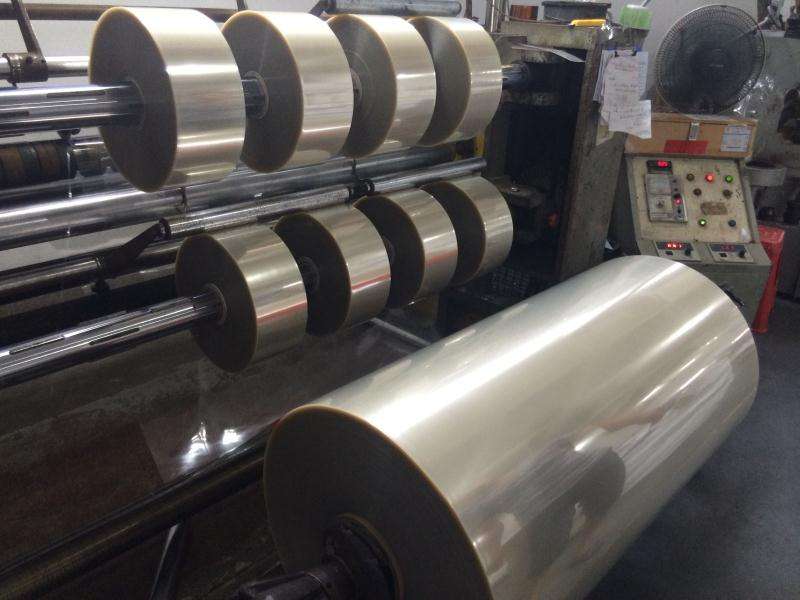
Risk factors include excessive web tension, dirty rollers, high nip pressure, sharp folds, poor winding, edge damage, and repeated flexing. Converters should use smooth web paths, appropriate tension, clean equipment, and controlled winding hardness.
Barrier testing should be staged:
Measure the incoming film.
Test after printing and lamination.
Test the finished pouch.
Test after simulated transport or flexing.
Confirm shelf life with the actual product.
This workflow allows the converter to identify exactly where performance changes. It is more useful than testing only an untouched film sample.
Printing and Lamination Compatibility
High Barrier Metallized BOPP Film may be printed, laminated, or used behind a printed transparent BOPP layer. The intended surface orientation should be clearly identified before production.
Printing trials should evaluate ink adhesion, metallic appearance, color density, registration, drying, scratch resistance, and blocking. The reflective background can change printed color appearance, so color approval should use the actual production structure.
Lamination trials should evaluate adhesive wetting, coating weight, full-cure bond strength, metal transfer, appearance, residual solvent where relevant, and product resistance. The adhesive system should also support the intended mono-PP recycling assessment.
BOPP responds differently to heat and tension from PET. Excessive drying temperature can affect dimensions and web stability. Production settings should be optimized rather than copied from a VMPET structure.
Heat Sealing and Filling-Line Performance
In many PP-based laminates, an internal CPP or heat-sealable PP layer supplies the main sealing function. The sealant should be selected for the product, package format, line speed, and contamination conditions.
The converter should establish a stable seal window covering temperature, pressure, dwell time, and speed. Testing should include seal strength, hot tack where relevant, leakage, drop resistance, compression, and aging.
A high-barrier film cannot protect a product when channels or contamination compromise the seal. Powders, crumbs, oils, and folds in the seal area should be included in realistic trials.
The completed laminate should also be evaluated for curl, tracking, bag formation, stiffness, and opening behavior. Successful laboratory seals do not guarantee reliable performance on a fast commercial line.
Applications for High Barrier Metallized BOPP Film
The verified oxygen, moisture, and aluminum-adhesion performance makes Cailong High Barrier Metallized BOPP Film relevant to products such as:
Nuts and dried fruit
Crispy snacks
Tea and coffee
Chocolate and confectionery
Dehydrated foods
Dry flavors and spices
Selected daily-care products
Application design should follow the product rather than a generic list. A snack may need moisture protection to maintain crispness, while nuts may require stronger oxygen control. Tea and coffee may prioritize aroma retention. Personal-care refills may require chemical compatibility and puncture resistance.
Food-contact or other market documentation should be confirmed for the exact film grade and finished structure. General product descriptions should not be treated as universal regulatory approval.
Evaluating Total Packaging Cost
Film price per kilogram is not the same as package cost. A BOPP-based structure may affect yield, laminate thickness, production speed, adhesive use, scrap, and freight.
Buyers should compare:
Usable square meters per kilogram
Number and thickness of laminate layers
Printing and lamination efficiency
Scrap during startup and full runs
Pouch-making speed
Shelf-life losses
Rejected-package rate
Finished-package weight
Recycling-related design value
A lower-priced film can become expensive if it creates barrier variation, poor adhesion, or slow production. Conversely, a more consistent high-barrier film may reduce total cost by simplifying the structure and improving yield.
Quality-Control Priorities
International buyers should establish specifications and incoming checks for:
OTR and WVTR under defined conditions
Aluminum-layer adhesion
Optical density or metallization uniformity
Thickness and width tolerance
Surface treatment
Visible defects and scratches
Roll flatness, edges, and winding
Batch identification and traceability
Barrier and adhesion consistency across the web and along the roll matter as much as average values. Trial rolls should be long enough to evaluate stable production, not only a short sample.
Questions to Ask the Supplier
Useful supplier-qualification questions include:
Under what conditions are the stated OTR and WVTR measured?
How is 3.5 N/15 mm aluminum-layer adhesion tested?
Which side should be printed or laminated?
What adhesives and inks have been evaluated?
Which thicknesses and widths are available?
What storage conditions are recommended?
How is metallization uniformity controlled?
Can representative trial rolls be supplied?
What batch-specific quality documentation is available?
What information is available for mono-PP design assessment?
The buyer should share the product, structure, equipment, line speed, destination market, and shelf-life target so the supplier can discuss the application accurately.
Conclusion
Cailong High Barrier Metallized BOPP Film provides OTR as low as 0.12 cc/m²·24h, WVTR of 0.18 g/m²·24h, and aluminum-layer adhesion up to 3.5 N/15 mm. These properties support strong product protection and create opportunities to replace VMPET or aluminum foil in suitable PP-based packaging structures.
Successful adoption requires more than selecting a metallized film. Buyers must verify barrier retention after converting, laminate adhesion, sealing, filling-line performance, product shelf life, and package-level recyclability.
With disciplined design and qualification, High Barrier Metallized BOPP Film can help packaging manufacturers combine shelf-life performance, production stability, and a more recyclable mono-PP material strategy.
Comment