PET AlOx Film for Soft Cookie Packaging
Oct 09,2026 | FOSHAN CAILONG METALLIC PACKAGING MATERIAL CO.,LTD
PET AlOx Film can be considered for soft cookie packaging when the brand wants visible cookies without losing the intended soft texture during storage. This is a different brief from keeping a dry snack crisp. The pack may need to limit moisture loss, protect a fat-containing recipe and remain visually acceptable against a product that can touch or mark the inside surface.
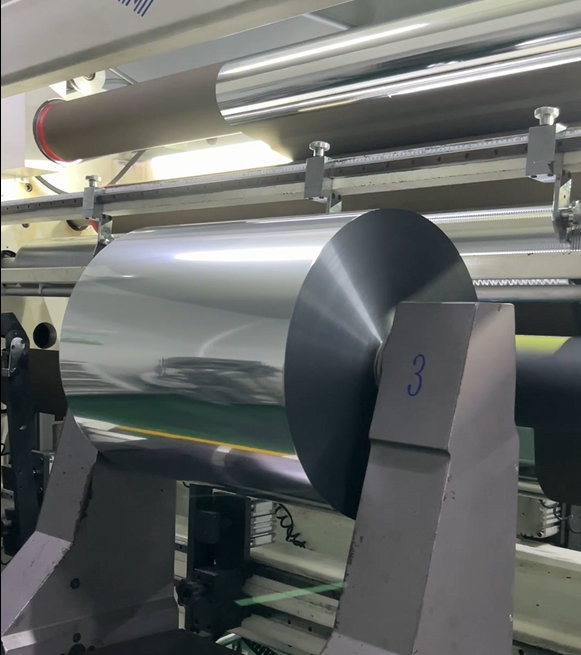
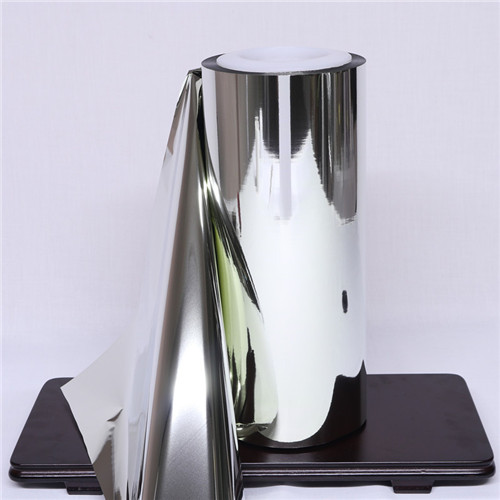
Cailong, an AlOx Film Supplier, identifies PET-AlOx-010 as transparent aluminum-oxide-coated PET for high-barrier packaging, with biscuits and confectionery among the listed food applications. It is a material candidate for a cookie laminate, not an approval of a recipe's storage life. The bakery and converter must establish the moisture, oxygen and handling requirements for their particular soft product.
Define softness before choosing the barrier target
Describe the texture that the bakery intends to retain: a soft center, a chewy whole cookie or another defined condition. Use product made under the normal production process as the reference. If the current complaint is hardening, compare moisture history and packaging conditions before assigning it to oxygen transmission. Product changes during storage should be linked to the actual quality criterion rather than one general freshness label.
The bakery should also identify whether filled cookies or mixed components are involved. Moisture can redistribute within the product or between different items sharing a pack. A low-WVTR film does not prevent every internal texture change. For a multipack, assess the complete assortment instead of approving the laminate around one cookie and assuming that the result covers the other components.
Oxygen protection does not replace moisture control
Fat-containing recipes may introduce aroma or oxidation requirements in addition to softness. Keep those criteria separate in the material specification. Request OTR and WVTR under conditions relevant to the storage route, with the specimen identified as film or laminate. A favorable oxygen result alone cannot establish that the package retains the desired texture, and a moisture result alone cannot establish flavor stability.
Include the initial package atmosphere in the comparison if the bakery uses a controlled filling gas. The actual oxygen exposure depends on more than the incoming barrier web. The product's history and closure condition still matter. Do not treat an oxide film as a preservative or imply that it makes the bakery's product controls unnecessary. Shelf-life acceptance requires the bakery's appropriate product and package evaluation.
PET AlOx Film in the Soft Cookie Laminate
A printed PET / adhesive / PET-AlOx / adhesive / PE construction is one possible laminate to evaluate for a visible cookie pouch. The printed PET supports decoration, the PET-AlOx web contributes the transparent barrier, and the inner PE forms the sealing surface. The final gauges, adhesive and face orientation need converter confirmation. The example is a proposed layer arrangement, not a verified Cailong cookie production case.
If the design uses fewer webs, identify how printing and the clear window will be handled on the selected grade. Do not remove a layer without checking its contribution to appearance, support and conversion. A clear panel can make wrinkles, bond defects and product contact more visible than they were in an opaque pack. The bakery should review made packs containing the actual cookies, not just flat transparent swatches.
Pack cooling affects the viewing window
Record the cookie condition when it reaches packaging, including any normal cooling stage. A warm product enclosed before the agreed cooling condition can create a different moisture environment from a cooled laboratory sample. The film choice does not establish an acceptable packing temperature. Keep the bakery's process conditions with the trial so that a window complaint is not attributed automatically to the barrier material.
If moisture appears on the inside surface, distinguish droplets from cloudiness within the laminate or marks caused by the product touching it. Examine where the condition develops and how it changes during the agreed storage sequence. The required response may concern cooling, inside-surface selection or pouch geometry. Ordering a lower OTR without locating the moisture does not address that application question.
Keep soft cookies separate from the sealing area
Soft edges, loose crumbs and inclusions can reach a closure during high-speed packing. Review the spacing between the cookie and the seal, including its movement as the pack is formed. The sealant and machine must create a continuous closure despite the actual product presentation. A transparent barrier web cannot correct a seal that closes through a crumb or folds unevenly around the contents.
For cookies supplied on a tray or support, inspect where the laminate meets its edges. For unsupported packs, inspect compression and product smearing during stacking. Both constructions may use the same barrier grade but require different handling and clearance. Define the acceptable product shape after distribution so that a technically intact pack is not approved with crushed or badly marked cookies inside it.
Make the material comparison with finished portions
Use the intended cookie count, pouch dimensions and artwork in the initial sample run. Retain the current package and the transparent candidate under the same storage conditions. Compare the bakery's texture and flavor criteria, window appearance and closure integrity at the selected intervals. This connects the laminate choice to the portion consumers receive, rather than a stand-alone film report.
If the proposed pack replaces an opaque foil or metallized structure, include light exposure in the evaluation. Transparency is a commercial benefit but also removes the old visual shield. A smaller window or revised print coverage may be considered where the product needs it. Do not describe the new clear construction as equivalent in light protection simply because it meets an oxygen or moisture target.
To evaluate PET-AlOx-010 for soft cookies with Cailong, provide the recipe format, desired texture, cookie count and present laminate. Include the cooling-to-packing route, any filling gas, viewing-window design and storage conditions. Give the converter the product-clearance and sealing requirements as well. These inputs allow the barrier web to be selected around softness, flavor and appearance together.
Comment
-9.png?w=1000&h=620)