Metallized PET Film: Residual Solvent Checks
Oct 08,2026 | FOSHAN CAILONG METALLIC PACKAGING MATERIAL CO.,LTD
Metallized PET Film laminates can develop an unwanted odor even when their bond appears satisfactory. If printing ink or a solvent-based adhesive is part of the route, examine drying and residual volatiles before treating the odor as a film-grade problem. Aluminum-layer adhesion, adhesive cure and solvent removal are different requirements. Passing one does not establish that the other two are acceptable.
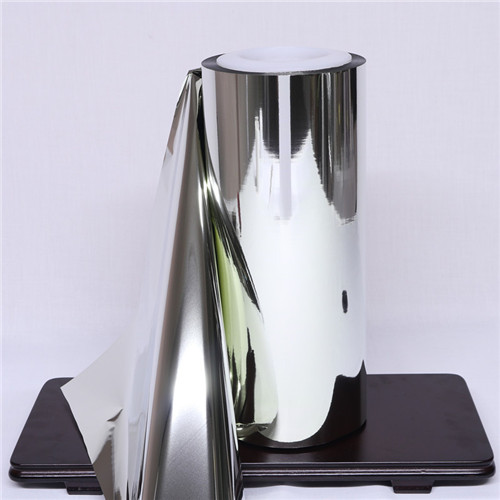
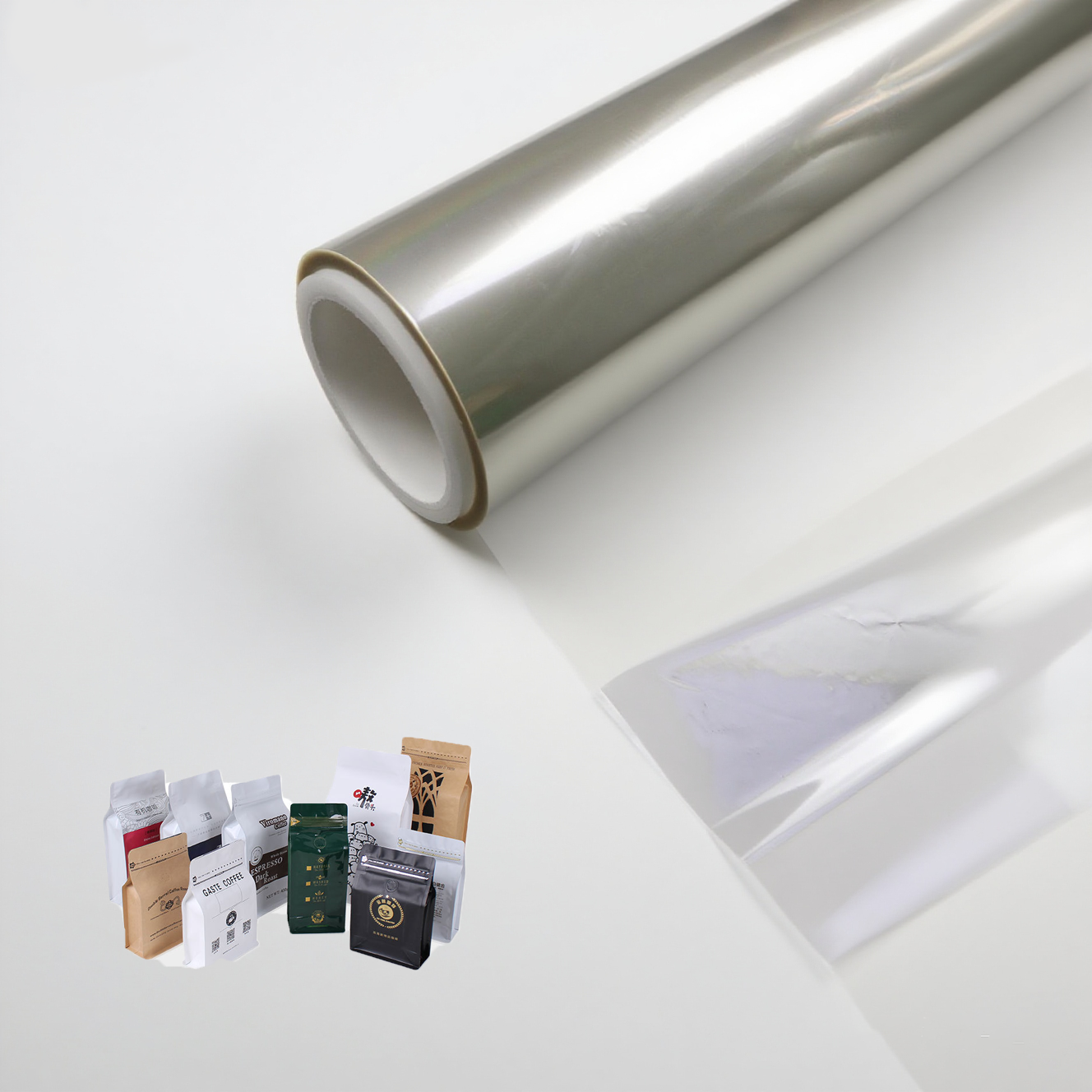
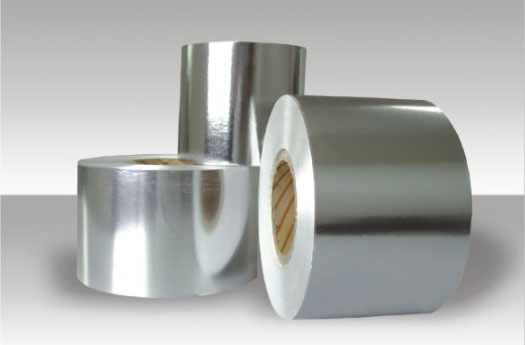
Cailong's Metallized Film Supplier portfolio includes VPET-GF, a grade intended to provide stronger aluminum anchorage than ordinary metallized PET. That characteristic can be useful in laminate selection. It does not give the completed pack a residual-solvent specification or prove that a particular ink and adhesive combination has been dried adequately. Those questions require evidence from the converter's actual process.
Trace the source rather than naming the odor
List every process material that can introduce a volatile component, including inks, primers, adhesives and cleaning materials. Record when each meets the web and whether it is dried before another layer covers it. An odor noticed at pouch making may have originated at printing much earlier. The last operation where the complaint is observed is not automatically the operation responsible for it.
Retain the unprinted metallized film, printed web before lamination, fresh laminate and material after the planned cure period. Keep samples identified by ink and adhesive batch. Comparing those stages helps narrow the source without assuming that metallic film itself produces the observed odor. Where an unprinted control is unavailable, the investigation can easily confuse a printing difference with a barrier-web difference.
Drying happens before the interface is enclosed
Review the applied coating weight, production speed, dryer conditions and exhaust performance with the printing or adhesive supplier. A successful short run may not represent the conditions used at normal output. Changes in ink coverage or adhesive application can also alter the drying demand. Record the actual job conditions rather than treating one machine temperature setting as a complete description of drying.
Inspect the web at the stage where it leaves the dryer. Once another film is laminated onto it, the route for a remaining volatile to leave the structure changes. Do not rely on extra storage time as a universal substitute for appropriate drying. If a longer hold is proposed, establish its effect through measurements on the real laminate, including how the material is wound and stored.
Adhesive cure does not measure residual solvent
A peel result may show that a useful bond has developed, but it does not identify the amount or composition of retained volatile material. Likewise, an adhesive supplier's cure guidance is not a solvent-analysis report for the customer's printed construction. Keep cure state in the record because it can affect handling and specimen preparation, while using a separate agreed analytical method for residual-solvent assessment.
Ask the laboratory to identify the compounds being measured, the sample area or mass basis, and the conditioning before analysis. Reports should use the same basis when candidates are compared. A single total value can be insufficient if the customer's acceptance criteria distinguish particular substances. Avoid translating a smell assessment into an analytical concentration, since those observations do not provide the same information.
Compare the laminate, not an open adhesive sample
A proposed printed PET / adhesive / VPET-GF / adhesive / PE structure introduces several places to examine. Printing may be carried by the outer PET, the metallized web supplies its intended protective role, and PE forms the inside sealing surface. The actual layer order and adhesive systems need confirmation. Identify which interface is associated with the suspected source instead of assuming that the metal face is responsible.
Prepare samples using the intended application weights and timing between operations. An open-coated sheet left on a bench is not equivalent to a tightly wound laminate roll. Record roll position and sampling time where the complaint changes through the material. If outside and near-core samples differ, that pattern should be considered alongside drying records rather than hidden by one composite sample.
Establish whether the complaint reaches the contents
For a packaging project, distinguish odor in empty material from odor or flavor change in the packed product. The customer's product and acceptance method determine the relevant assessment. Do not describe a laminate as suitable for food contact solely because an empty sample smells acceptable. Obtain the documentation and evaluations applicable to the exact materials, construction and intended use from the responsible suppliers and customer team.
Include the packaging and storage sequence that precedes the complaint. A pouch made shortly after lamination and another made after the approved hold may present different conditions. Keep product exposure separate from handling tests on unused material. This prevents a material change being approved on an empty-package observation while the actual concern remains the product after filling.
Change the process before assuming a barrier penalty
A different drying setup, compatible formulation or application weight may address the source without abandoning VPET-GF. A proposed switch to solventless lamination removes one possible solvent source but does not remove solvents already introduced by printing. It also changes adhesive selection and cure requirements. Evaluate the whole route, not just the label on the new adhesive container.
After a correction, verify aluminum anchorage, laminate bond and required barrier alongside the volatile assessment. Lowering an application weight or changing chemistry can affect an interface even if the odor improves. Compare the revised structure with the reference at the same agreed age. The selected route should meet all relevant acceptance criteria rather than resolving one complaint at the expense of protection or converting stability.
Comment