PET AlOx Film for Clear Olive Pouches
Oct 15,2026 | FOSHAN CAILONG METALLIC PACKAGING MATERIAL CO.,LTD
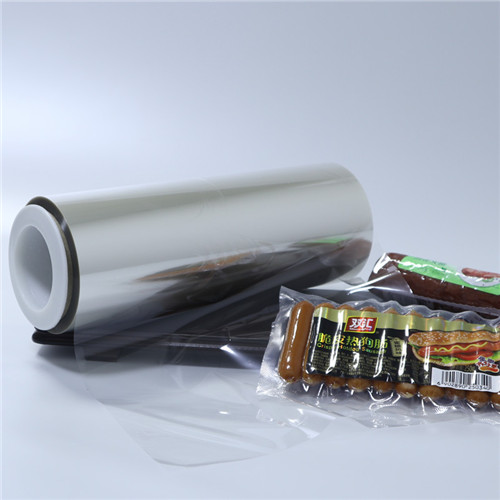
PET AlOx Film can be evaluated for clear olive pouches when a brand wants visible product presentation without leaving the barrier requirement undefined. Olives, packing liquid and any added ingredients must be considered together. A clear barrier substrate is one layer in the package, not a complete recommendation for the product's preservation process.
Cailong identifies PET-AlOx-010 as a transparent high-barrier PET grade and lists retortable grades separately. An AlOx Film Supplier can help identify material for a converter's evaluation. The selected laminate must match the processor's approved product, filling method and thermal route before any claim is made about storage performance.
Start with the olive format and the retail use
A drained snack portion and a larger pouch containing packing liquid have different handling requirements. State whether the product is whole, pitted, sliced or stuffed, and describe any herbs or other additions. These details influence product presentation, local contact and the condition near the mouth when a pouch is filled.
Clarify why the existing pack is being changed. Moving from a rigid container to a pouch can introduce a new opening and dispensing task. Moving from an opaque laminate to a clear one changes the display and light-exposure decision. Neither change should be evaluated only by showing the material supplier a product photograph.
Define what the customer should see through the package. The brand may want buyers to judge size, stuffing or the product mix. The liquid level, printed coverage and the way olives settle can affect that view. Evaluate representative filled pouches rather than assuming that an unprinted film's transparency establishes the final shelf appearance.
Give PET AlOx Film a specific layer function
One possible flexible construction is printed PET / PET-AlOx-010 / a suitable product-contact sealant. The outer PET carries graphics, the coated web addresses the proposed barrier requirement, and the inner layer must match filling and closure. Confirm the adhesive system and lamination orientation. This is a candidate olive-pouch design, not a validated Cailong structure.
If a simpler laminate is being considered, identify which functions would move to the remaining layers. Removing a web can change support, printing and handling as well as thickness. The converter should compare the complete proposal with the current pack, rather than assuming that a barrier coating allows every other layer to be eliminated.
The sealant and adhesive suppliers need the actual product-contact requirements. Packing liquid, oils or other ingredients should not be presumed compatible with every inner layer. The PET-AlOx substrate's barrier description does not approve those interfaces. Keep the selected construction attached to the processor's product and intended market.
Liquid and solid filling require different observations
Follow the filling sequence and record when olives and liquid reach the pouch. A whole piece caught near the closing area differs from a thin liquid trail. Samples should identify those conditions separately. Increasing the closing temperature without understanding the defect may change the pack while leaving the underlying presentation problem unresolved.
Inspect the mouth and upper corners on production-style samples. Liquid distribution can change as the bag is handled, and product additions may create contacts not present in a plain-liquid trial. Include the normal recipe and portion variation. A clean laboratory seal on empty material cannot represent every filled closure.
Assess how pieces load the laminate after packing. An olive pouch should not be treated as a uniform liquid bag merely because it contains packing liquid. Observe local folds and contact points during the actual shipping arrangement. If product geometry changes during a trial, record that variable instead of assigning every result to the film.
Clear packaging introduces a light-protection decision
Transparent AlOx is not an opaque light shield. If the existing pack uses foil or metallized film, ask the product owner to assess the changed exposure. The correct clear-area design depends on the product's requirements and planned display, not on a general claim that visible packaging is always better.
Printed coverage can be discussed alongside the window size and secondary packaging. Inspect whether the window actually reveals the intended features once the product is settled. Do not approve a broad clear panel only because it looks attractive on an empty pouch. Product presentation and protection need to be resolved in the same design review.
Use the processor's methods to assess relevant changes in product quality. Neither appearance alone nor the film's OTR determines an authorized storage period. Avoid assuming that the proposed transparent package can use the same product approval as a different container or preservation route without review by the responsible team.
Process category comes before a grade substitution
Provide Cailong with the actual filling and thermal sequence. The product range distinguishes PET-AlOx-010 from its retortable series, so the grades should not be grouped under a single heat-resistant label. The film request needs to state the processor's requirement, and the complete laminate needs the relevant validation.
Ask for grade-specific oxygen and moisture transmission information with test conditions stated. Note whether each result concerns single film or the assembled laminate. Where the process changes the laminate, incoming-film measurements are only part of the evidence. Compare compatible specimens and conditions rather than ranking materials from isolated headline values.
Inspect package condition through the actual processing sequence. Keep samples before and after the relevant step, and distinguish closure leakage from separation within the laminate. This allows the converter to identify the interface requiring attention. A general barrier improvement does not explain every defect found after processing.
Opening should suit the portion and packing liquid
A pouch intended to be drained has a different opening requirement from a small portion eaten directly. Define the opening route and assess it with the actual product. Check whether the consumer can access or pour the contents without an uncontrolled tear. The barrier web's tensile behavior alone does not establish convenient opening.
For an olive-pack evaluation, send Cailong the product format, packing-medium requirements, existing container or laminate, filling sequence and desired clear area. Include the authorized process and intended opening action. These inputs allow PET-AlOx to be considered for a defined transparent pouch rather than as an automatic replacement for every olive container.
Comment