Metallized PET Film for Cooked Bean Pouches
Oct 14,2026 | FOSHAN CAILONG METALLIC PACKAGING MATERIAL CO.,LTD
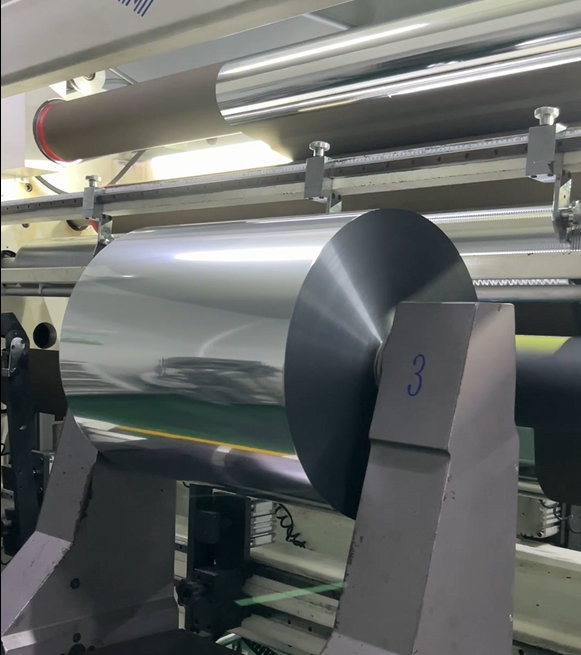
Metallized PET Film for cooked-bean pouches needs to be selected around the processor's exact thermal route and the behavior of a filled liquid-and-solid pack. A grade with enhanced metal adhesion may be relevant, but the grade name does not approve every hot-water or retort application.
Cailong's VPET-JQ page distinguishes JQ01, JQ17 and JQ20 rather than giving them one common retort status. A Metallized Film Supplier should receive the complete process requirement before proposing material. The bean processor and converter still qualify the laminate, sealant and finished pouch together; film information cannot establish a food-processing schedule.
Specify the cooked-bean product and process separately
Identify whether the pouch contains drained beans, beans in liquid or a thicker mixture. Record the filling condition and product-to-liquid arrangement. The solid pieces and liquid can affect how a pouch presents under closing equipment and how the finished pack deforms. A trial filled only with water may miss contacts and contamination found in normal bean packing.
Provide the authorized thermal process to the converter, including its relevant exposure and handling sequence. Do not describe the requirement only as heat resistant. A reheating application and a processor's preservation treatment are different requests. The packaging team must know which stage the laminate is expected to withstand before selecting the proposed JQ grade.
Keep processing decisions with the responsible food team. No temperature, duration or storage-life recommendation is derived from the film here. The material inquiry should reference the processor's requirements and acceptance route. That allows a grade discussion without turning a substrate description into an unsupported finished-food approval.
Metallized PET Film grades need individual confirmation
The published product table marks JQ01 for retort use while JQ17 and JQ20 are not marked for that use. This distinction is important when requesting samples. Ask Cailong to identify the proposed grade explicitly and confirm its data against the actual process. A reference entry in a film table is not evidence that the customer's whole bean pouch is qualified.
The JQ family is described for strong metal adhesion and laminate bonding. These characteristics make it relevant where interfaces are challenged during processing, but the adhesive and sealant remain separate selections. Do not apply the strongest published adhesion value to every grade or assume it equals the strength of every laminate interface.
Clarify what is failing in the current material. Metal transfer, separation at an adhesive interface and a leaking seal should not be treated as one defect. Retain failed samples and identify the actual location of separation. This gives the converter evidence for selecting material and process changes instead of replacing the barrier web without diagnosing the weak interface.
Assign each layer a role in the bean pouch
For a retort project, an outer printed web / confirmed retort-suitable JQ grade / process-suitable sealant is one possible construction to investigate. The outside supports graphics and handling, the metallized layer contributes barrier and opacity, and the inner layer forms the product-contact and sealing interface. Adhesive selection and the complete construction require joint confirmation.
For another thermal route, the layer choices may differ. Do not reuse a retort sealant recommendation without checking the intended process, or assume every PE-based inner layer is appropriate. The purpose of the structure discussion is to connect material functions to the actual application, not to prescribe a universal laminate for cooked beans.
If the current pouch contains foil, keep it as the comparison reference. Metallized PET and foil behave differently during folding and contact. A proposed replacement may change conversion and pouch flexibility, but those changes do not prove equivalent protection. Compare the qualified complete structures under the same processor-defined requirements.
Solid pieces and liquid make closure assessment specific
Observe how beans and liquid enter the pack. A solid caught near the mouth and liquid carried into the closing region can produce different defects. Record where contamination appears and whether it is associated with filling timing or bag presentation. A clean laboratory seal does not reproduce every production closure.
Examine the finished top region and multilayer corners. Beans settling during filling can change the shape presented to the jaws. Review representative packs, including those made after a stoppage. The sealant trial should reproduce the actual closing condition instead of approving empty pouches and assuming filled performance is equivalent.
Track package condition before and after the specified process. An initially sound pouch can reveal an interface issue later, while a defect already present before treatment should not be blamed on thermal exposure alone. Keeping this sequence visible helps the converter identify whether the corrective action belongs to filling, sealing, lamination or grade selection.
Evaluate the processed laminate before changing supply
Request the proposed grade's OTR and WVTR with measurement conditions and specimen construction identified. If barrier after the thermal sequence is required, specify that evidence separately. An incoming-film value cannot demonstrate the condition of a processed laminate. The product owner should connect barrier assessment with its own storage and quality requirements.
Inspect bond condition and closure integrity as different checks. A laminate can remain bonded while a closure fails, or the closure may remain intact while an interface changes. Define the observations needed for each case. This prevents a general statement about strong adhesion from hiding another unresolved package requirement.
Include normal pouch handling after processing, such as the actual secondary-pack arrangement and distribution route. Record folds or localized contacts rather than assuming the process assessment covers every later mechanical condition. A supplier change should match the current approved pack's functions, not merely its nominal layer names.
Send Cailong the bean format, current laminate, authorized thermal route, sealant requirement and failure samples when discussing VPET-JQ. Require the grade identity on the sample documentation and retain the processor's finished-package approval criteria. The resulting proposal can then address a defined cooked-bean application without treating all chemically enhanced metallized films as interchangeable.
Comment