PET AlOx Film for Chilled Pack Condensation
Oct 07,2026 | FOSHAN CAILONG METALLIC PACKAGING MATERIAL CO.,LTD
PET AlOx Film allows a chilled product to remain visible through a barrier laminate, but visibility can disappear when condensation develops. Before changing the film, establish where the water is located. Droplets outside the pack, moisture on the product-facing surface and cloudiness between bonded layers require different investigations. Calling all three conditions a transparency problem can lead to an unsuitable material change.
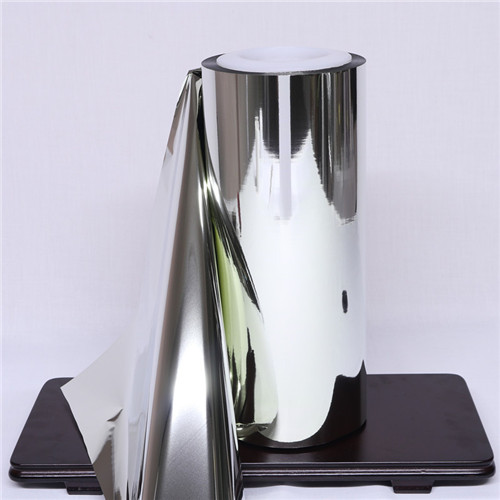
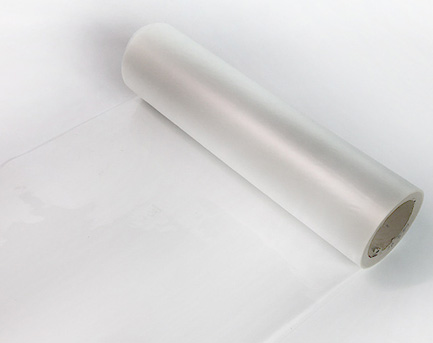
Cailong's AlOx Film Supplier range identifies PET-AlOx-010 as a transparent high-barrier PET grade. Aluminum oxide provides a clear barrier layer on BOPET. That description supports evaluating the material for visible food packaging; it does not identify the grade as an anti-fog film or establish that it prevents droplets in a refrigerated pack.
Locate the water before measuring clarity
Inspect a cloudy pack while it is still at the temperature where the condition appears. Warming every sample before inspection may remove the evidence. Photograph the panel under consistent lighting and note whether droplets can be wiped from the outside. Where the investigation permits destructive inspection, open a retained sample and examine the product-facing surface separately from the exterior. Preserve another unopened pack for comparison.
If cloudiness remains after visible surface water is removed, inspect the laminate rather than immediately classifying the defect as condensation. Adhesive appearance, incomplete wetting, print effects or a damaged interface can obscure the viewing zone. Record whether the pattern follows printed areas, seal boundaries or the whole panel. These spatial differences help distinguish a surface-water issue from a bonded-layer issue.
Barrier and anti-fog behavior serve different functions
OTR concerns oxygen transmission and WVTR concerns water-vapor transmission under defined conditions. Neither measurement directly describes how condensed water spreads on an inside surface. A pack can have a satisfactory moisture barrier and still contain enough water from the product or headspace to form droplets when its temperature changes. Selecting a lower WVTR does not automatically remove that internal source.
An anti-fog surface, when required and independently qualified, addresses the appearance of water at the product-facing interface. Its compatibility with the food, laminate and service conditions belongs in the sealant or surface-treatment discussion. Do not assign that function to PET-AlOx-010 merely because the finished pack is clear before refrigeration. Specify barrier protection and refrigerated visibility as separate acceptance requirements.
Put each function into the laminate drawing
A PET-AlOx / adhesive / PE sealant laminate is a candidate structure for chilled-pack evaluation. PET-AlOx contributes the transparent barrier web; adhesive bonds the layers; PE supplies the inside sealing surface. If the customer needs an anti-fog function, identify how the proposed sealant will provide it and ask its supplier for the relevant evidence. The final layer sequence still requires converter confirmation.
For a printed pack with a viewing window, make the window part of the drawing rather than leaving it as an informal artwork detail. Its size, position and distance from folds affect what the customer sees. A small flat window and a curved panel stretched by the contents do not present the same optical result. Keep the trial geometry consistent with the retail pack.
Use the actual cold-to-warm sequence
Record product temperature at filling, the headspace condition, refrigeration history and the later display environment. Establish when the visibility complaint first appears: immediately after filling, during cold storage, after removal from refrigeration or after handling. This sequence matters because an external moisture film developing on a cold pack should not be confused with droplets that were already present inside it.
Run comparisons with the same product, fill quantity and temperature route. Include the current package as a reference and label each candidate by its inside surface construction. Review packs at the same elapsed times, rather than comparing one fresh sample with another that has equilibrated overnight. The aim is to identify which material or process change affects the observed moisture pattern.
PET AlOx Film approval still requires protection checks
A clearer refrigerated window is valuable only if the package continues to protect the contents. Request grade-specific oxygen and moisture data, with the measurement conditions and specimen construction identified. Use the agreed barrier tests on the finished laminate, and assess closure integrity on made packs. Optical improvement should not become a reason to omit the protection requirements that prompted the barrier-film project.
Inspect the window after the planned handling as well as after refrigeration. Scratches, creases and local bond defects can become more noticeable against a wet or reflective product surface. Keep these defects separate from droplet coverage in the inspection record. Otherwise, a change that improves water spreading may receive credit for an unrelated difference in laminate quality.
Choose the correction that matches the location
External condensation calls for reviewing the display environment and the acceptable appearance of a cold pack. Internal droplets call for reviewing the product-facing surface, headspace and temperature sequence. Cloudiness within the laminate calls for a converting investigation. Several conditions may occur together, but they should not be solved by treating every cloudy panel as evidence that the oxide barrier grade is unsuitable.
Compare a proposed material change against both visibility and product protection. A move back to an opaque foil or metallized structure may hide the appearance issue while removing the brand's viewing window. It is therefore a different packaging decision, not proof that the moisture condition has been corrected. Likewise, retaining transparency without adequate barrier is not an equivalent replacement.
To evaluate PET-AlOx-010 with Cailong, provide the chilled product, current laminate, photographs taken at the complaint temperature and the complete filling-to-display sequence. Identify whether the water is inside, outside or apparently within the bond. Add the required OTR, WVTR and viewing-window criteria so that the barrier web and inside surface can be selected for their respective functions.
Comment