Metallized PET Film: Metal Corrosion Checks
Oct 07,2026 | FOSHAN CAILONG METALLIC PACKAGING MATERIAL CO.,LTD
Metallized PET Film may develop dull, pale or patchy areas when the aluminum layer encounters an incompatible wet process or exposure. Before ordering a higher-barrier grade, determine whether the change is a chemical alteration of the metal, mechanical removal or an optical effect from another layer. Each explanation leads to a different corrective action and a different material request.
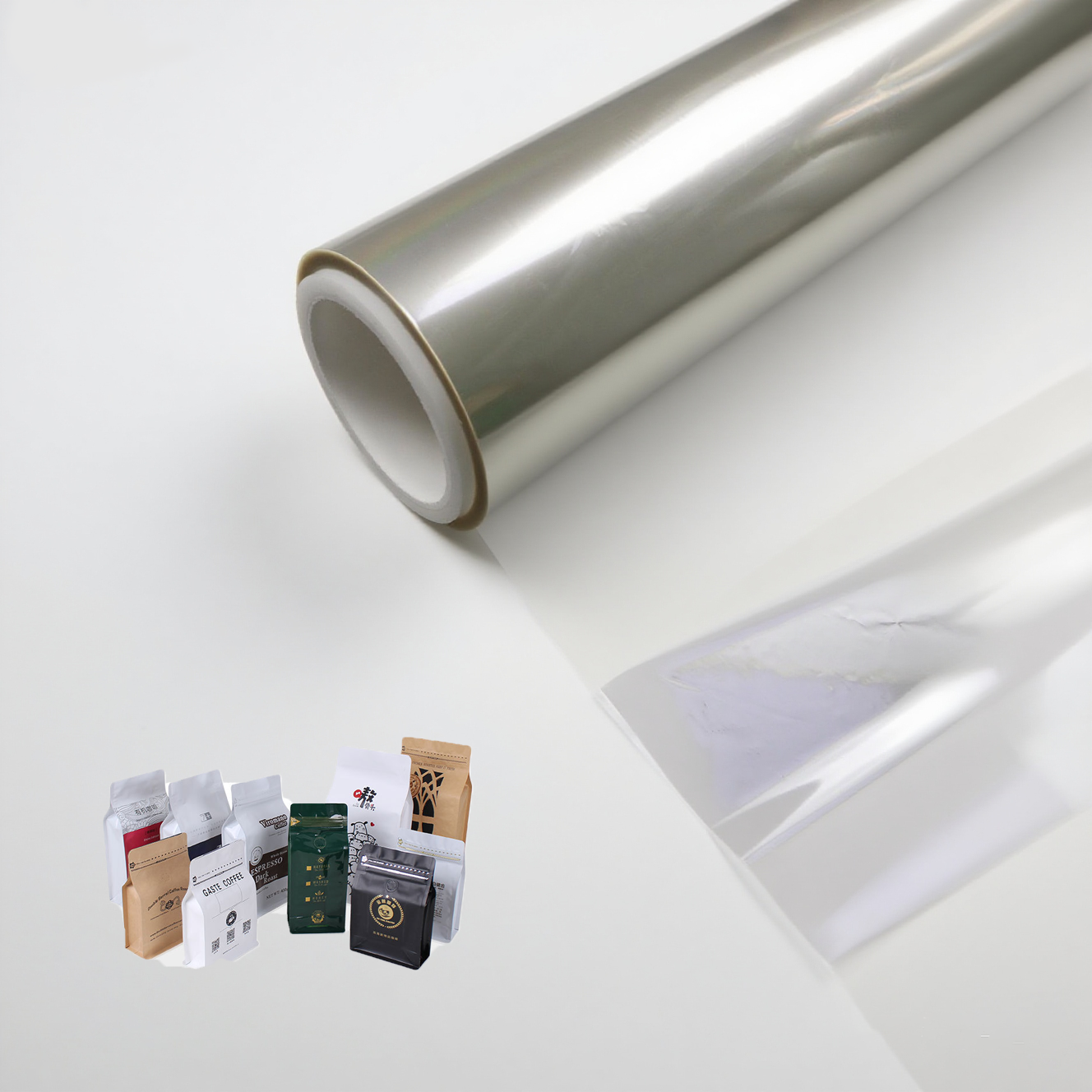
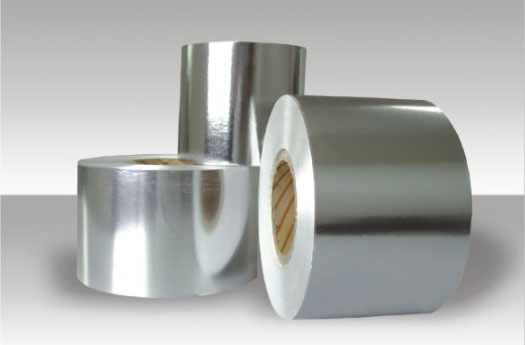
Cailong, a Metallized Film Supplier, describes general-grade VMPET-TY as aluminum deposited on PET, with a metallic appearance and oxygen and moisture barrier properties. Its product information distinguishes the aluminum face from the non-aluminum face. A buyer must preserve that distinction when reviewing adhesive contact, printing and any exposure at the edges of the converted construction.
Follow the exposed aluminum through the process
Draw the complete cross-section and identify what touches the metal at each stage. The relevant contact may be an ink, primer, adhesive, cleaning residue or the surrounding atmosphere. It may occur before the aluminum is covered, during lamination or later at a cut edge. “The film was laminated” is not a sufficient exposure description if the metal remained accessible during an earlier wet operation.
List the actual formulations and process conditions rather than naming only broad families such as water-based or solvent-based. Two products in the same family can differ in chemistry and drying behavior. Ask the formulation supplier whether its intended contact with deposited aluminum has been assessed. The film supplier should receive the material names and contact sequence, but compatibility must be established with the other process-material suppliers as well.
Distinguish discoloration from metal transfer
Inspect retained material at several points: incoming film, printed or coated web, fresh laminate and aged laminate. A mark already present before wet processing belongs in a different investigation from one that appears after storage. Record where the pattern starts and whether it follows coating coverage, drying bands, edges or localized droplets. The timing and geometry can be more informative than a photograph of the final pack alone.
If the laminate can be separated for analysis, examine both surfaces for transferred metal and adhesive residue. Removal of aluminum onto another layer is not the same observation as aluminum remaining in place with an altered appearance. Do not infer corrosion solely from a lower peel value or a transparent patch. Use microscopic or chemical examination through a suitable laboratory when visual evidence cannot identify the change.
A protected interface can still have exposed edges
In a proposed printed PET / adhesive / VMPET-TY / adhesive / PE laminate, the metallized web sits within the construction and the PE layer forms the inside surface. This arrangement is a candidate for assessment, not a guarantee of chemical isolation. Slitting, die cutting, seals and component openings can create locations where the intended covering layers no longer describe every possible exposure path.
Inspect edge-adjacent defects separately from defects in the middle of a panel. A change that advances inward from a cut boundary warrants reviewing access to that boundary. A broadly distributed pattern may instead relate to the coating or adhesive application. Keep the package or component geometry visible in the investigation so that an edge effect is not averaged into a general film-quality complaint.
Create a controlled compatibility comparison
Use film from one identified roll and prepare a reference without the suspected chemical contact. Compare it with the proposed ink, primer or adhesive under the relevant contact and drying conditions. Retain samples before and after aging. If several materials are applied consecutively, first isolate their individual contacts, then test the actual sequence. This helps avoid blaming the last process simply because it is where the defect becomes visible.
The aging route should reflect the customer's storage and use environment. Record temperature, humidity, duration and whether the sample is sealed or exposed. Do not describe an arbitrary severe exposure as equivalent to a particular service life. Its role is to compare candidate constructions under an agreed challenge, while the eventual application still needs its own qualification.
Where a wet formulation is suspected, preserve its batch identity and application weight. Compare fully dried material with material from the defect interval. A compatibility assessment made on a properly dried coupon may not reproduce a production segment carrying residual moisture or another volatile component.
Assess Metallized PET Film after appearance changes
Measure the properties that matter to the application after the exposure. A packaging project may require panel barrier and laminate bond testing; a decorative component may require color, reflectance and adhesion checks. Do not assume that a small appearance change has no functional consequence, or that every visible change means the same degree of protection loss. Connect the result to a defined acceptance criterion.
For barrier measurements, identify the exact affected zone and compare it with undamaged material prepared in the same way. Report the test conditions and whether the specimen is bare film or laminate. For appearance measurements, fix lighting, viewing angle and the reference surface. Keeping these methods consistent makes it possible to compare a process adjustment without confusing the result with specimen selection.
When a grade change is justified
A revised drying condition, different compatible formulation or better edge protection may resolve the problem without changing the PET substrate. A protected or specially treated metallized grade may be worth discussing when the exposure cannot be removed. Its suitability must be supported by the relevant compatibility trial. Higher aluminum adhesion alone does not establish resistance to the chemicals involved, just as a lower OTR does not identify the cause of discoloration.
For Cailong to review VMPET-TY or another metallized construction, supply incoming and affected samples, the metal-face drawing, formulation names and the stage at which the change first appears. Include storage conditions and the properties that failed. A defined exposure problem lets the supplier consider an appropriate material route instead of treating corrosion, transfer and optical mottling as one generic delamination issue.
Comment