Metallized PLA Film: Direct Seal or Laminate?
Oct 26,2026 | FOSHAN CAILONG METALLIC PACKAGING MATERIAL CO.,LTD
Can Metallized PLA Film go directly onto a pouch machine, or must it first be laminated to another web? That question should be settled before selecting equipment settings or estimating conversion cost. A metallized film may provide the barrier function in a package without being the component that forms the required seal. The correct route depends on the exact supplied construction and the two surfaces being joined.
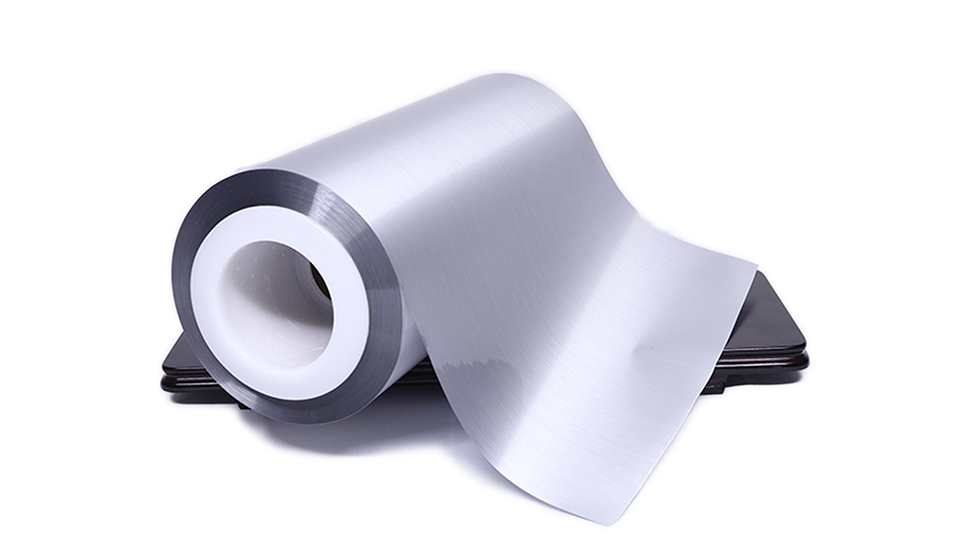
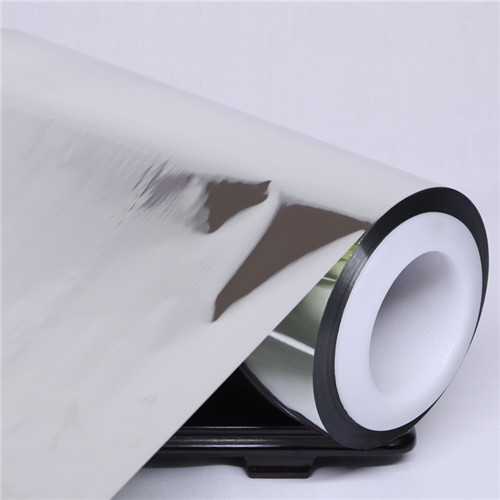
The PLA product in Cailong's film portfolio is described as BOPLA film with a vacuum-deposited aluminum layer. Cailong's brochure includes metallized PLA within its packaging materials. That establishes a substrate and coating type, but the general name does not define every possible seal interface. Buyers need confirmation of the particular material offered for the intended pouch design.
Identify what will touch what
Draw a cross section of the pouch at the seal. Mark the metallized face, the opposite face and any additional coating or layer. Then draw the actual overlap created by the machine. Two nonmetallized faces meeting in one format do not represent the same interface as a metallized face meeting another surface. A change in bag geometry can therefore change the sealing question even when the roll is unchanged.
Use sample markings to preserve this orientation during a trial. Without them, an apparently inconsistent result may come from testing different face combinations. Ask the supplier to identify the functional surfaces on the supplied roll and explain their intended roles. Avoid relying on which side looks brighter, since appearance alone is not an adequate processing instruction.
What direct sealing would need to establish
Direct sealing is a proposed converting route, not an automatic property of the term metallized PLA. The selected film must form the required joint on the intended machine while preserving acceptable package appearance and integrity. That includes the relevant face combination, thickness, dwell time, pressure and actual material temperature. A single nominal jaw temperature cannot describe the whole process.
Request clearly identified heat-seal information for the exact offered material, including units, method and conditions. Where a table entry is unclear, resolve it before using it as a specification. An isolated strength figure cannot establish the full operating window or the condition of the joint during handling. There is no reason to turn incomplete data into a promised production capability.
When lamination changes the allocation of functions
In a laminated route, metallized PLA can be evaluated as a barrier component while a separately specified layer supplies the sealing interface. That can allow the developer to select each component for its role. It also introduces an adhesive or bonding process, another interface and a completed construction that needs its own qualification. Lamination is not a shortcut around package testing.
Before adding layers, identify the problem that requires them. Is the direct joint inadequate, is the web difficult to handle, or does the package need another functional surface? A layer added without a clear purpose can complicate the structure and its disposal claims. Compare the simplest construction that meets the actual packaging requirement with the laminated alternative, using equivalent filled-pack criteria.
Separate a weak seal from a weak laminate
After a trial, look at how the specimen failed. A joint that opens between seal faces is different from a laminate that separates behind an intact seal. Damage within the coated structure is another possibility to investigate. Report the location and appearance of failure alongside any measured force, so that the next adjustment addresses the relevant interface.
This distinction prevents a common development loop in which operators increase heat to solve every low-strength result. More heat may alter the web without improving the interface that is actually failing. Change settings through an agreed trial plan and examine the specimens after each step. Retain controls from the incoming film and any laminate before pouch making to locate when the problem appears.
Evaluate the joint in the intended pack
A flat laboratory seal can help compare settings, but the filled format adds folds, product loading and potential contamination. Use the intended pouch geometry and filling conditions when deciding whether a route is workable. Examine seal transitions as well as straight sections. The acceptance criteria should reflect what the package must withstand during handling and storage, rather than a strength value borrowed from another film.
Also check the barrier function after converting. A package with an acceptable seal may still need evidence that its coated material survived printing, bonding and pouch manufacture. Conversely, a good transmission result does not eliminate leakage through an incomplete joint. Treat barrier measurements and package integrity as complementary evidence, each with its own method and scope.
Compare material replacement honestly
Metallized PLA may be considered where a project seeks a PLA-based alternative to a conventional metallized barrier component. The comparison should preserve the required product protection and converting functions. Do not assume that the PLA version accepts the same sealing recipe as an existing VMPET laminate, or that changing the substrate removes the need for a sealing layer.
If the project includes a biodegradable or compostable packaging claim, review the complete construction separately. Added adhesive, sealant, ink and coatings must be considered within the evidence required for that claim. A successful direct seal does not certify an environmental outcome, and a PLA-containing laminate does not inherit a finished-pack certification from the name of its base polymer.
Define the purchase around the chosen route
For a useful enquiry, send Cailong the pouch drawing, current structure, seal-face diagram and filling requirements. State whether the offer should be a directly sealable web or a barrier film for subsequent lamination, and request the evidence applicable to that form. Selecting the route this way gives the converter a specific interface to approve, with a clear division of responsibility between film supply and package manufacture.
Comment