Metallized PET Film: Vacuum Decay Leak Tests
Nov 02,2026 | FOSHAN CAILONG METALLIC PACKAGING MATERIAL CO.,LTD
metallized PET film can reduce oxygen and moisture transmission through a laminate, while a small package leak creates another entry route. A buyer may therefore ask for vacuum decay inspection of the finished pouch. The method needs to be established for that product and package. Neither the film's barrier specification nor an instrument brochure's best reported sensitivity defines a reliable acceptance test for every filled bag.
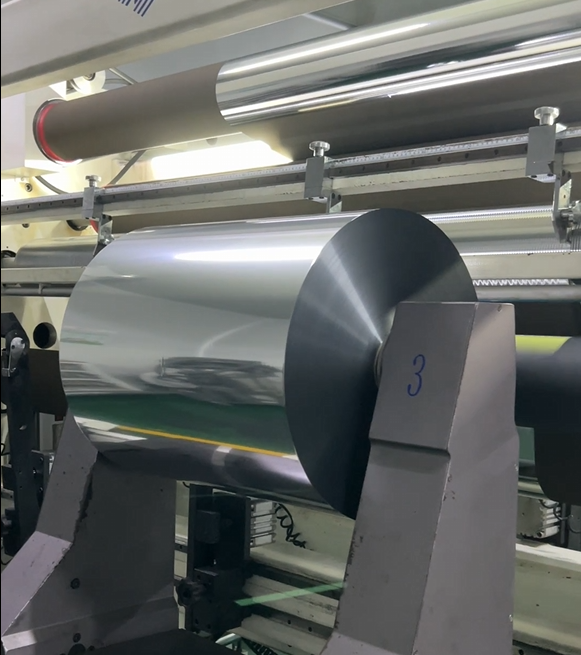
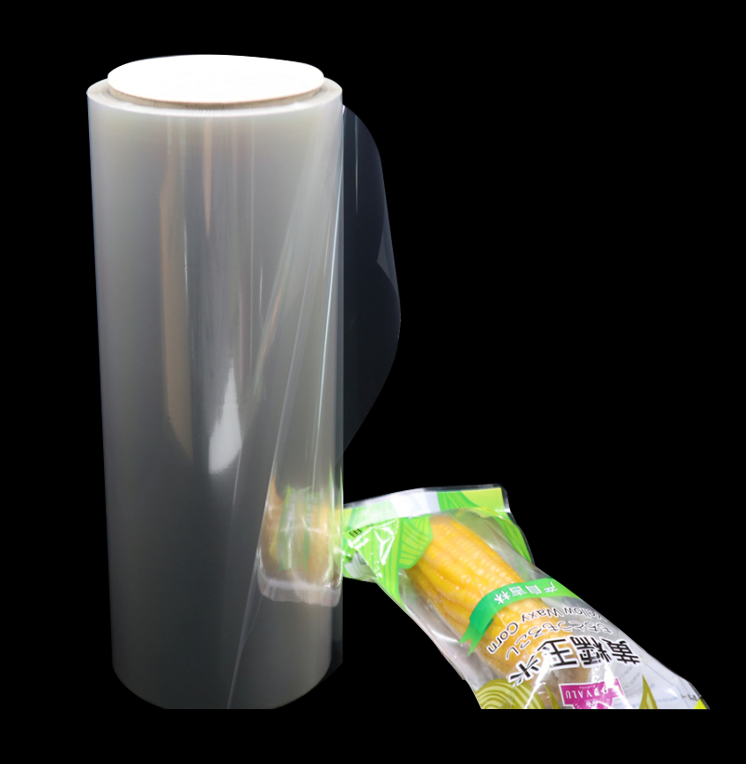
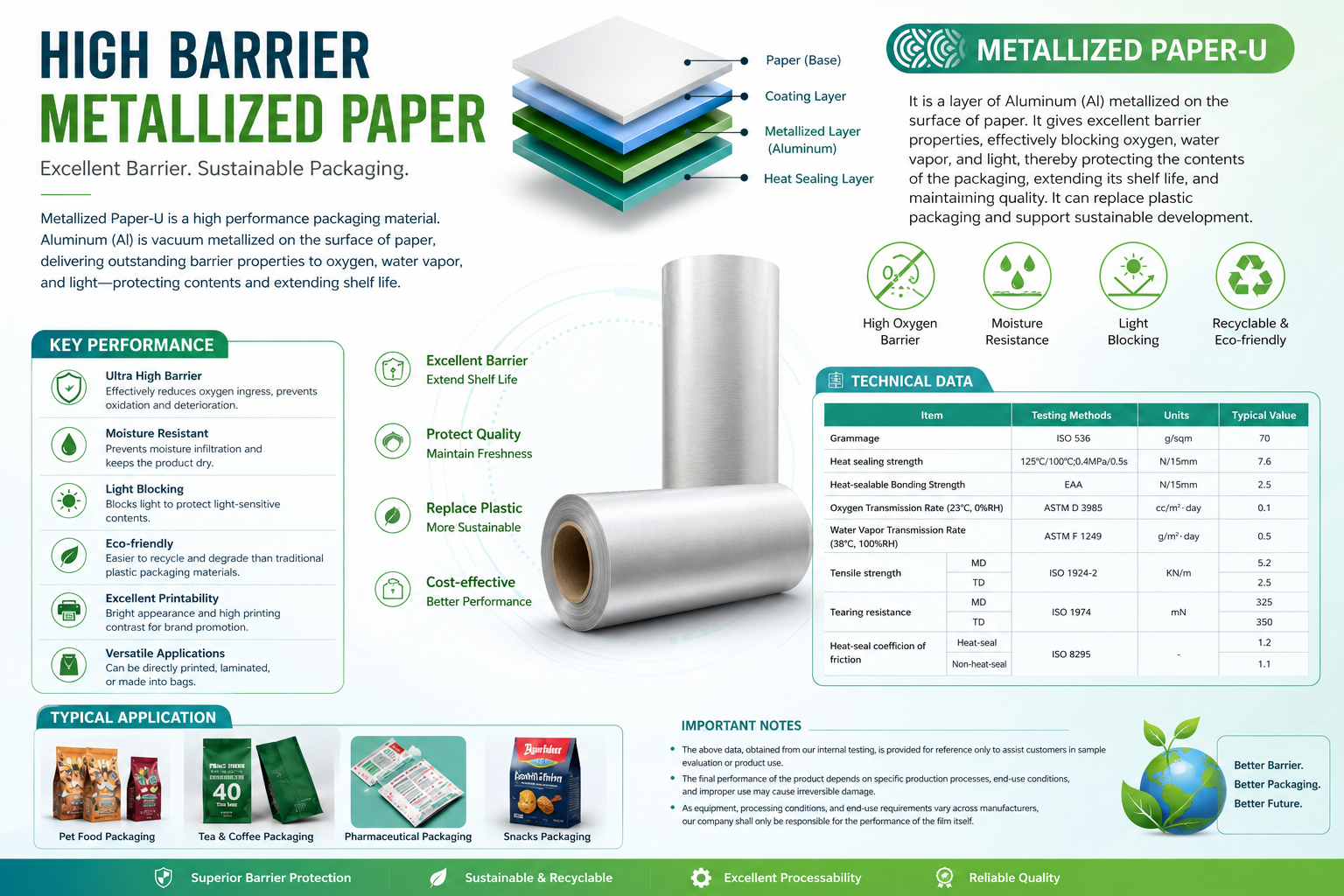
Cailong's film portfolio includes ultra-high-barrier metallized PET intended for sensitive-product laminates. The product family provides different barrier selections and is used as a component in packaging development. Its function should be considered alongside seals, closures and handling damage. A low-transmission web does not eliminate the need to assess the completed package's integrity.
Define the object being inspected
List the filled product, pouch drawing, laminate, closure arrangement and normal headspace condition. Flexible packaging changes shape, and the contained product can influence how a defect behaves. A recipe established on an empty pouch should not automatically be used for a tightly filled powder pack or a liquid sachet. The test developer needs samples representing the actual production construction.
State the production decision the inspection will support. Development comparison, incoming investigation and routine package screening can require different sampling and controls. Keep the required defect-detection objective separate from an instrument's advertised capability. The useful question is whether the complete method reliably distinguishes acceptable and relevant defective packages under the conditions where it will be used.
Understand what the measured signal represents
Vacuum decay uses a chamber pressure response during a controlled test sequence to assess leakage. Package geometry, test volume and stabilization can affect the measurement. PTI's vacuum-decay technology overview includes flexible-package applications and discusses control of the test system volume. That explains why a package-specific setup matters, without establishing a detection limit for this particular Cailong laminate.
Keep the equipment supplier involved in choosing the appropriate chamber and support arrangement. A flexible pouch must be accommodated without introducing new damage or masking the region of concern. Do not assume that a rigid container's setup can be transferred because both packages have the same nominal capacity. Their mechanical responses and test conditions can differ substantially.
Build a dependable set of reference packages
Use identified controls with the same construction and filling state as production. The comparison should include packages considered intact and defined defects relevant to the objective. Agree how reference defects are created or calibrated and how their condition is maintained. A random needle puncture is not automatically a stable reference for every type of channel or pinhole.
Record defect location and the relationship to product. A path at a seal can behave differently from one in a free wall, and contents may obstruct some defects. Keep those conditions in the method assessment. Do not infer equivalent leak behavior from a hole's visible diameter alone when the actual path geometry, pressure conditions and product contact differ.
Establish the recipe rather than copying a threshold
Agree the evacuation, stabilization and measurement sequence with the test specialist. Retain the settings and response records for the reference packages. An accept/reject threshold should follow a demonstrated distinction under the chosen conditions. It should not be selected solely because it produces a convenient rejection rate on one small group of trial packs.
Include normal variation in pouch fill, headspace and material condition where relevant. If the test has difficulty separating acceptable packs from the target defects, investigate the setup and objective before routine release. A method that passes a hand-selected sample set may not be robust to ordinary production variation or to a later change in package dimensions.
Assess whether the test itself changes the pouch
Inspect packs after the proposed sequence for seal movement, distortion and other damage. A technology may be described as nondestructive, but the selected procedure still needs to be appropriate for the tested package. Establish how often a pack may be tested and whether repeated testing changes the result or the package condition. Keep that evaluation specific to the validated configuration.
Do not return development specimens to saleable stock merely because they look intact. Their handling and defect history must be known. The production quality plan should state the disposition of tested packages. This keeps a research trial distinct from an approved routine inspection process, especially when deliberately defective references are used near normal samples.
Keep barrier transmission and leakage results separate
Vacuum decay is an integrity assessment under its test conditions. It does not provide the laminate's OTR or WVTR and cannot be converted directly into a shelf-life claim. Conversely, a transmission result on an intact flat specimen does not show that every bag made from the web is leak-free. Retain separate material and finished-pack records.
When comparing a foil-based package with metallized PET, evaluate both requirements on a common, appropriate basis. The new construction may meet a barrier target while needing a revised sealing process. It may also behave differently in the inspection chamber. Establish the test for each relevant package design instead of treating a change in measured response as direct evidence of poorer film barrier.
Investigate rejections without assigning the cause too early
Retain rejected samples with their machine records and production identity. Follow an agreed confirmation procedure where needed to locate or characterize the suspected path. A failed response can trigger investigation, but it does not itself identify whether the origin is a seal, puncture, closure or unsuitable test setup. Preserve that distinction when communicating with the film supplier.
Compare trends by pouch-making conditions, handling stage and defect location where the evidence supports it. Avoid changing the metallized layer grade before understanding a seal or tooling problem. The objective is to eliminate the actual leakage route while retaining protection and converting performance, not to substitute a stronger barrier number for an integrity-control issue.
Put the validated combination under change control
Keep the package identity, instrument configuration, reference controls and acceptance logic together. Review changes in fill, dimensions, laminate or closure before adopting the previous recipe unchanged. Share relevant findings with Cailong and the converter. This creates an inspection basis for the real metallized pouch and connects a high-barrier material choice with a defensible package-integrity decision.
Comment