Metallized PLA Film: Core Impressions in Reels
Nov 02,2026 | FOSHAN CAILONG METALLIC PACKAGING MATERIAL CO.,LTD
metallized PLA film can show acceptable appearance during most of a converting run and then reveal recurring impressions near the final windings. The pattern may affect print presentation or trigger concern about the barrier layer. Before changing line settings, determine whether the marks were already wound into the reel, originated at the core or were introduced by a roller during conversion. Their location and spacing provide useful evidence.
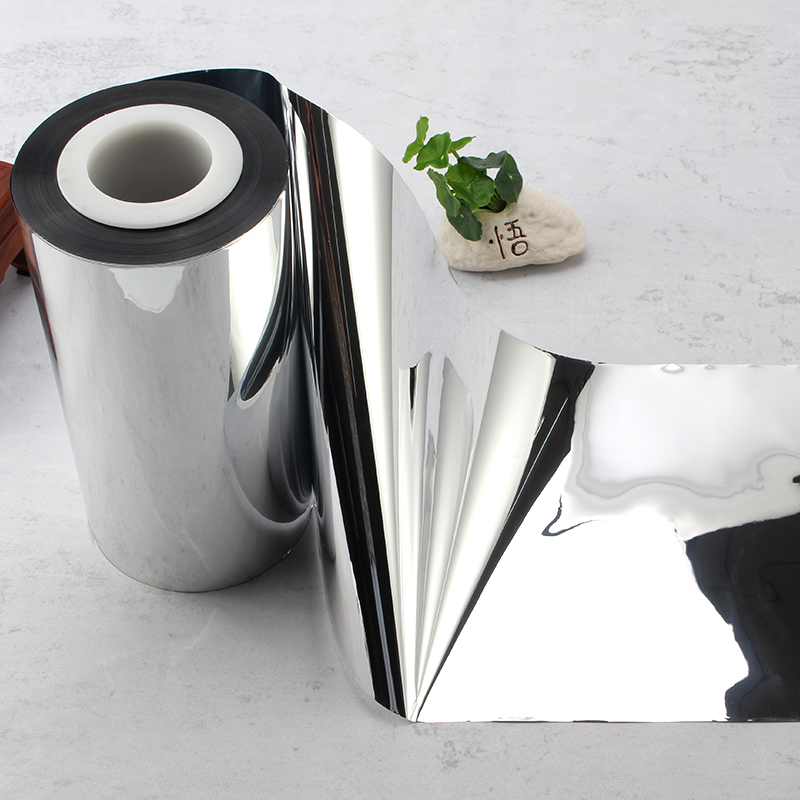
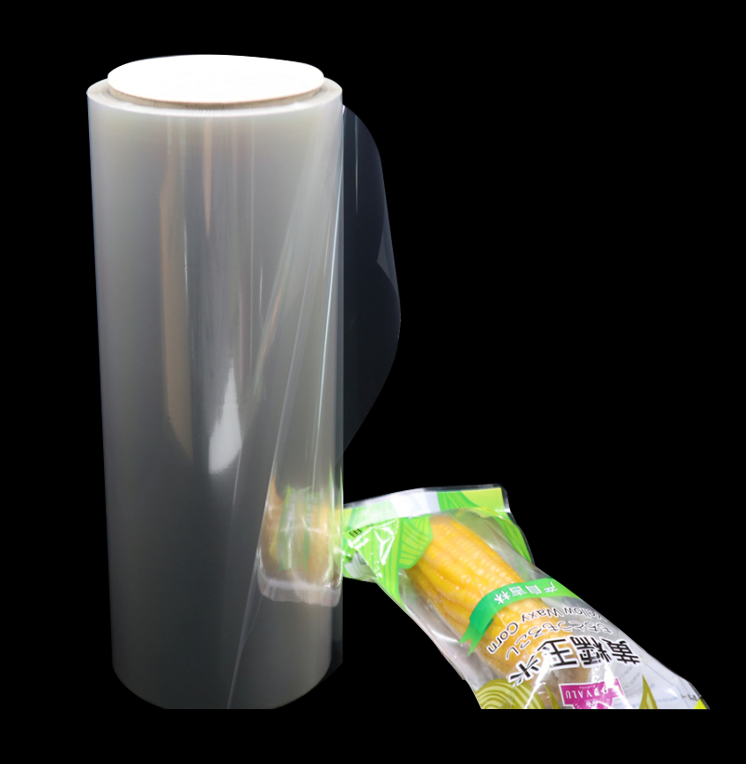
Cailong's film portfolio includes aluminum-coated PLA film for packaging projects with specified converting and protection requirements. The supplied material is a wound web, so its condition must be assessed through the usable length. The product description does not establish a universal permissible core-impression depth or a guaranteed amount of unaffected film next to every core. Those requirements need agreement for the ordered reel format.
Record where the marks first appear
Identify the reel and the stage where the defect becomes visible. Record approximate remaining length or another reliable indication of wound depth. Inspect the film before it contacts the process section suspected of causing damage where this is practical. A mark first noticed after printing may have existed earlier but become easier to see under the new optical background.
Keep sequential samples rather than isolated pieces. Mark their web direction, face and order. Record whether the pattern becomes stronger as the core is approached or remains similar throughout the run. A changing pattern may guide the investigation, but it does not prove a particular winding cause without comparing the core, starter region and equipment contact history.
Compare repetition with possible contact sources
Measure the spacing between identifiable marks using a consistent method. Compare the pattern with known features of the core and relevant rollers where the evidence justifies that comparison. Rotation can produce repeated marks, but web stretch, slip and changing wound diameter complicate interpretation. Do not assign a source solely because one measured distance resembles a circumference.
Look for the shape of the repeated feature as well as its pitch. A narrow line, broad depression and localized ridge can suggest different contacts. Photograph the same mark under more than one useful lighting angle without altering the specimen. Metallic appearance can exaggerate small surface variations, so a visible stripe is not automatically a crack in the deposited aluminum.
Preserve the core and starter region
Inspect the core for damage, joints, uneven surfaces or contamination using an agreed procedure. Retain the starter tape and first wound layers when available. Record how they were arranged rather than removing them before the investigation. A raised starting feature may need consideration, but its presence alone does not prove that every visible mark originated there.
Keep the as-received condition separate from changes introduced by the customer's handling. The core may be altered by mounting, removal or internal transport. Photographs before and after those stages help preserve the timeline. If several reels show a similar defect, compare their format and handling records without assuming that identical-looking cores necessarily have identical surface or winding conditions.
Separate topography from metal-layer damage
Inspect whether the mark is a surface impression, a fold, an abrasion or a damaged coating region. Use appropriate magnification or surface examination when required. If aluminum loss is suspected, examine it with a suitable method rather than judging only by reflectivity. A change in gloss can arise from shape even when the metal layer remains present.
Where the affected film will provide barrier, test representative marked and unmarked specimens under the relevant protocol. Report complete conditions and sample identity. A visible impression does not prove barrier failure, and an acceptable average barrier result does not excuse a localized defect that violates the customer's appearance or integrity requirement. Keep the functions and acceptance criteria distinct.
Review the winding and storage history together
Ask the supplier and converter for relevant reel-format, winding and storage information. Contact pressure within a wound roll and the response of the construction can be affected by several process variables. Treat these as investigation inputs, not a reason to prescribe a universal tension reduction. A change that reduces impressions may introduce loose winding or handling problems elsewhere.
Include temperature and storage duration where they could affect the observed condition. Avoid inferring a guaranteed shelf life or a material defect from incomplete storage records. Compare identified reels with known histories and use controlled trials if a process adjustment is proposed. The purpose is to understand the specific mark formation and prevent recurrence under agreed handling conditions.
Check the consequences in the actual laminate
If the marked web is laminated or printed, examine how that process changes the defect's visibility and performance. A coating can make an existing depression more noticeable, while a nip may flatten its appearance without proving that every function has recovered. Preserve samples from before and after conversion so the supplier can distinguish incoming condition from later effects.
Do not continue through a full production order simply to see whether a suspected defect disappears. Use the customer's hold and disposition procedure when the condition may affect acceptance. If a limited investigation run is authorized, identify its material and keep it separate. That protects traceability while allowing the technical team to gather the evidence needed for a decision.
Agree usable length and appearance expectations
Specify the reel format, core requirements and any agreed limits for starter or end-of-reel material. Define how impressions will be inspected and judged, including lighting or sample preparation when appearance is critical. Do not invent a standard waste allowance and deduct it from a shipment without agreement. The supply requirement should describe the material the customer expects to use.
Retain an approved reference if a minor surface feature is acceptable for the application. Keep that acceptance limited to the defined function and construction. A film approved as an internal barrier layer may face a different appearance requirement when used in visible metallic graphics. The intended application therefore belongs in the disposition discussion as well as the incoming reel specification.
Give the supplier a reproducible defect record
Send Cailong the reel identity, sequential marked samples, spacing observations and core photographs, with the converting stage and storage history. This lets the investigation focus on the actual origin of the impressions. The resulting decision can address winding, core preparation, handling or material disposition while keeping claims about the metallized PLA's appearance and barrier tied to measured evidence.
Comment