BOPP AlOx Film for Dry Pasta Bags
Oct 16,2026 | FOSHAN CAILONG METALLIC PACKAGING MATERIAL CO.,LTD
BOPP AlOx Film can be evaluated for a dry pasta bag when clear presentation and a PP-oriented barrier structure are both part of the brief. However, not every pasta product requires the same oxygen protection. The useful starting point is the actual pasta recipe, its moisture requirement, and the way rigid pieces load the bag during packing and distribution.
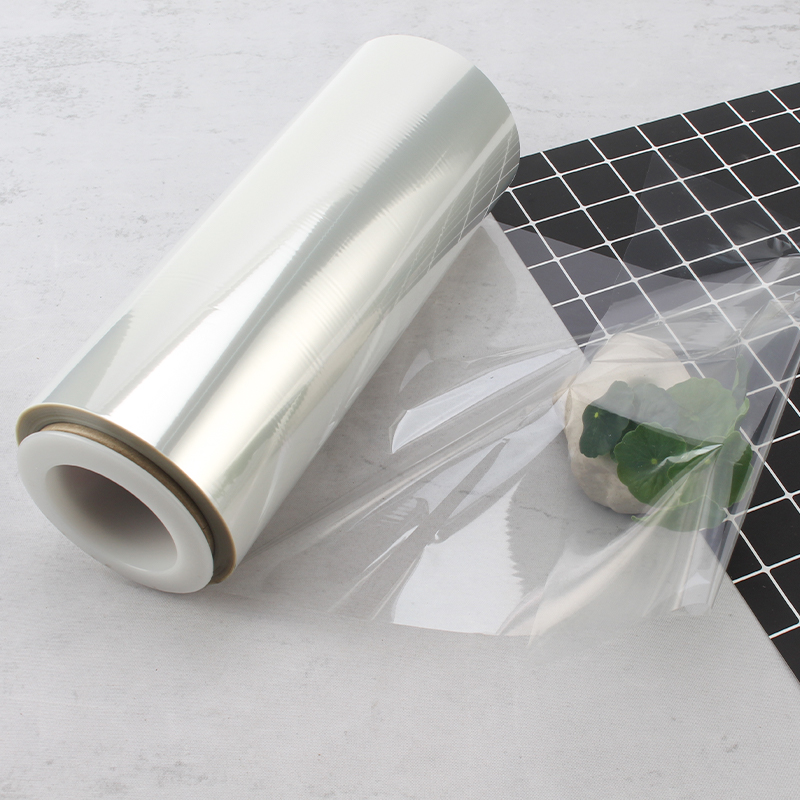
Cailong describes BOPP-AlOx-GZ as transparent high-barrier BOPP for PP-based printing and lamination applications. An AlOx Film Supplier should help connect that material role to the customer's pasta format. Its oxygen and moisture barrier positioning does not establish a finished dry-pasta bag specification or prove that every plain pasta line needs an upgraded barrier.
Choose the protection requirement before the laminate
A plain dried pasta, an egg-containing product and a flavored pasta should not automatically share the same packaging brief. Ask the food producer which product change limits its present storage performance. The answer may concern moisture, appearance, odor pickup or an ingredient-specific sensitivity. Use that documented concern to decide whether an AlOx barrier layer adds useful protection.
Do not select the strongest available barrier simply because the pack is food packaging. A conventional PP structure may already meet the requirement. If it does, the commercial case for an AlOx candidate needs another identified benefit or a different performance target. Avoid adding cost and converting complexity to solve a problem the current bag does not have.
Long pasta and short shapes create different contact
Long pasta presents a directional bundle. Its cut ends may concentrate contact at the bag ends, especially when the bundle shifts or the carton is compressed. Short pasta creates a different arrangement of contact points and can redistribute during handling. A trial using one shape should not be treated as qualification of the entire range.
Separate broken product from a damaged package. A bag can remain intact while the pasta breaks, and a product can remain visually acceptable while a local contact point damages the film. Inspect both after the agreed distribution simulation. If long strands break because the secondary carton provides insufficient support, a different barrier coating is not necessarily the remedy.
Place BOPP AlOx Film inside a defined PP structure
One possible construction for assessment is printed BOPP / adhesive / BOPP-AlOx-GZ / adhesive / CPP. The outer BOPP carries the printed design, the coated BOPP contributes transparent barrier, and CPP provides the inner sealing surface. The converter should confirm coated-side orientation, bonding surfaces and sealant suitability before trial manufacture.
This is a development proposal rather than a pasta construction already validated by Cailong. The whole laminate includes adhesives, inks and other features that must be considered when making any recycling claim. A predominantly PP layer selection is not, by itself, proof of acceptance by a particular collection or recycling system.
Compare that candidate with the current bag at the package level. Adding a separate barrier ply changes stiffness and the way the bag bends around the contents. Reducing a structural ply elsewhere may create a different problem. Keep the intended pack dimensions and filling orientation constant so that the effect of the construction can be interpreted.
Do not assign puncture resistance to the coating
The AlOx layer addresses transmission through the panel. It should not be described as the component that cushions a rigid pasta end or prevents product breakage. Mechanical protection depends on the supporting films, the entire laminate, bag geometry and handling. Record the location of any damage before deciding which material property is inadequate.
At a damaged end seal, examine whether the pasta entered the closure area or whether product impact occurred after sealing. At a panel mark, look for a repeated point of contact or a machine guide. If failures follow a fixed machine position rather than random contents, check that location before increasing film thickness or changing barrier grade.
A clear bag must communicate the right product condition
A transparent panel makes shape, color and fragments visible to the shopper. That visibility may be useful, but it also exposes variation previously hidden by print or an opaque material. Agree which product region should be visible and where printing can remain. Keep codes and mandatory information legible without covering the only useful viewing area.
If light sensitivity is part of the food producer's specification, assess it separately from oxygen barrier. Transparency does not reproduce the light shielding of a metallized construction. A package that remains clear and intact may still be inappropriate if the selected recipe requires a level of light protection that the proposed display cannot provide.
Consider how the bag is displayed after cartoning. A standing bundle, a flat stacked bag and a hanging format do not load the contents identically. Keep the intended selling orientation in the assessment, especially where long pasta ends are supported by the same narrow region throughout storage.
Link the trial to the pasta packing line
Run the candidate using the intended product shape, portion and packing equipment. Record product presentation into the forming section, fragments near the sealing area, and bag movement before cartoning. Examine the filled packs after handling rather than stopping at a successful empty-bag seal test. The rigid contents are part of the package assessment.
For transmission testing, obtain OTR and WVTR results under relevant conditions for both the supplied film and converted laminate. Compare material from before and after the selected handling sequence if local stress is a concern. Keep visible damage findings next to those results so that a transmission change is not disconnected from the way the pack was handled.
To discuss BOPP-AlOx-GZ for dry pasta, send Cailong the current laminate, pasta shape, recipe category, observed storage limitation and packing-line arrangement. Include the secondary carton and any failure locations. Those details establish whether the project calls for a transparent PP barrier candidate, a mechanical redesign, or simply confirmation that the existing structure is already adequate.
Comment