Metallized PET Film: Digital Print Primers
Oct 22,2026 | FOSHAN CAILONG METALLIC PACKAGING MATERIAL CO.,LTD
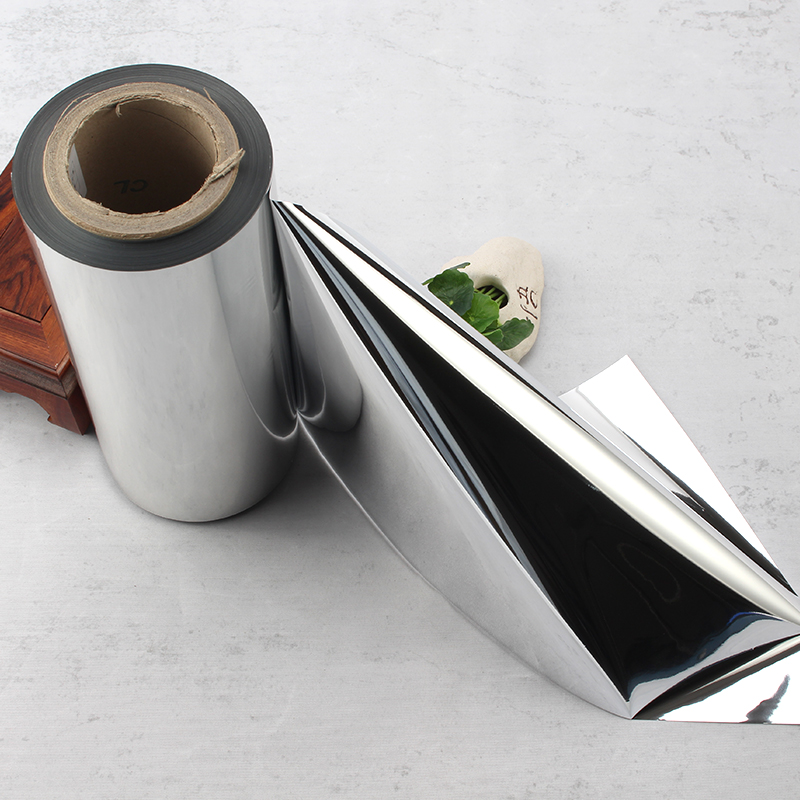
Metallized PET Film may be considered when a converter needs a dependable metallized barrier layer in a digitally decorated package. However, high adhesion of the aluminum layer answers a different question from whether a particular digital ink and primer will bond to the exposed printing surface. The print route must be qualified at the intended interface before the material is approved for production.
Cailong's film portfolio includes metallized PET with enhanced aluminum-layer adhesion for flexible packaging and related laminated applications. The selected product page identifies separate metallized and non-metallized faces. That information helps define a conversion trial. It does not identify a universally approved digital press, ink chemistry or primer, and it should not be presented as automatic digital-print certification.
Decide which surface the ink will encounter
Draw the decoration and laminate arrangement before selecting a primer. Direct printing on an exposed PET face, printing on the metallized face and printing on another outer web create different interfaces. The film's metallic appearance does not reveal which surface will be under the ink in the finished package.
Confirm whether the artwork will be viewed from the printed side or through a transparent layer. That choice determines the visual sequence of ink, white backing and reflective metal. A primer trial made on the wrong face may produce attractive print yet provide little information about the proposed commercial construction.
For a laminated design, mark the adhesive position as well. A printed face that later meets adhesive must be assessed through that additional operation. An acceptable exposed print does not establish the behavior of the ink-primer-film stack when it becomes an internal laminate interface.
Keep aluminum adhesion in its stated test context
The product page reports aluminum adhesion using an EAA test context. That describes the adhesion evaluation for the metal layer. It is not a measurement of the customer's digital ink attachment, and it does not establish the strength of a new primer interface introduced during printing.
Likewise, wetting-tension information for the two film faces is useful surface reference data but cannot alone establish compatibility. The press and primer suppliers need to review the chosen substrate and surface. A favorable wetting observation should support that review rather than replace ink, primer and conversion trials.
Record the selected film grade and roll identity. The public page contains more than one technical grade entry, so the supplier should confirm which specification applies to the sample. A qualification loses meaning if purchasing later orders a broader product description that does not identify the tested material.
Evaluate the primer as a functional layer
Ask the digital-print system supplier whether the proposed primer is intended for that specific film surface and subsequent package use. Obtain its preparation and application instructions. Avoid selecting a primer solely because it works on a different PET web or because the press can physically transport the sample.
Control application uniformity and conditioning during screening. Uneven primer can create patchy print adhesion or appearance differences that look like inconsistent metallization. Keep an unprimed control if the print-system supplier considers that comparison meaningful, and identify every sample clearly enough to trace its preparation.
Do not add an extra surface treatment without agreement from the film and printing-system suppliers. Treatment can become another variable at a thin coated interface. The practical aim is to qualify a reproducible printing route, not repeatedly alter the film until one isolated coupon passes a quick check.
Check the appearance the brand actually needs
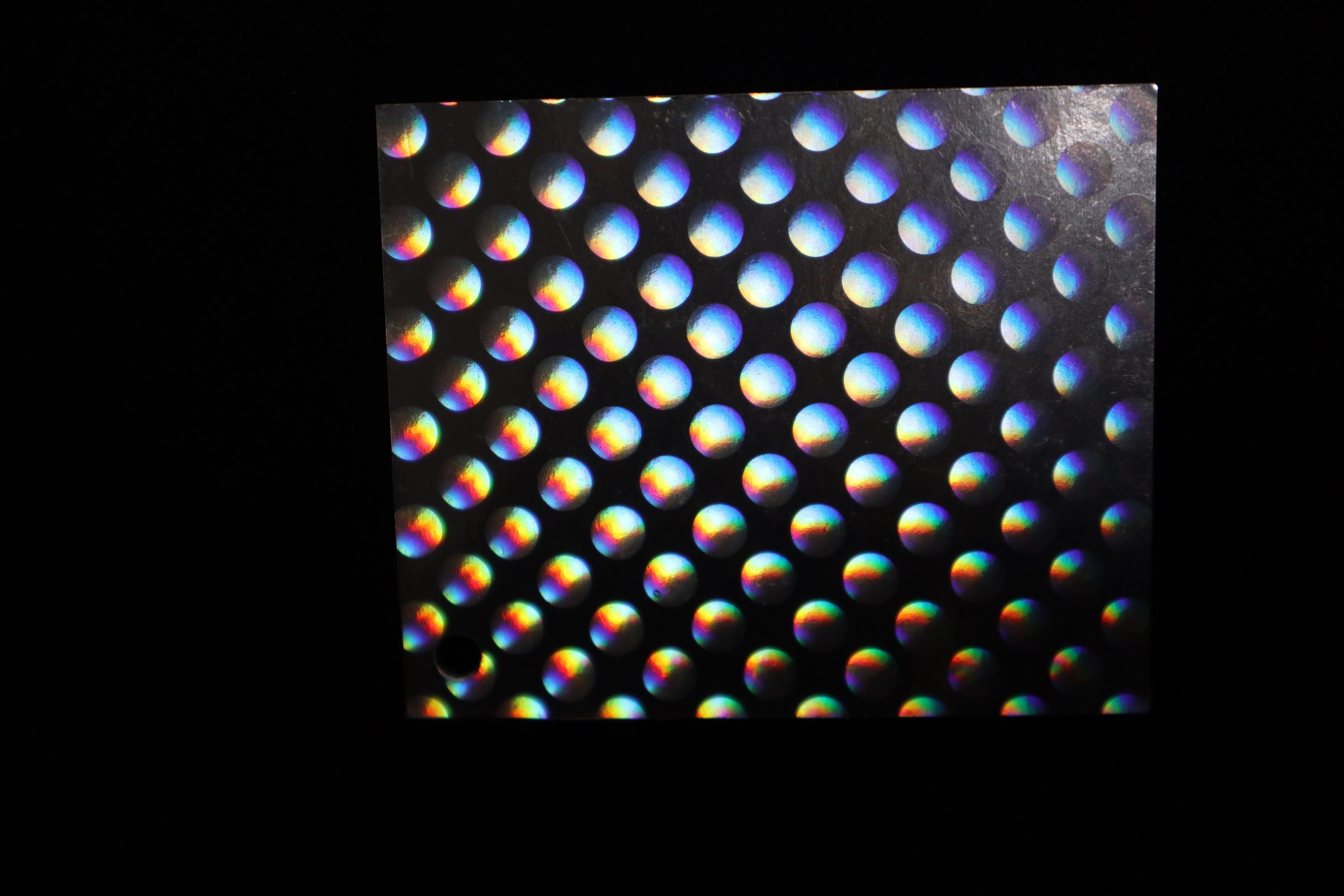
Digital decoration over a reflective background can produce a different visual effect from the same file printed on white film. Evaluate color patches, white coverage, fine graphics and unprinted metallic regions on the intended surface. A digital proof on paper cannot approve the interaction with the metal layer.
Inspect for haze or a visual change caused by the primer itself. If the design depends on retaining metallic brightness in an unprinted area, include that area in the comparison. A primer that supports ink attachment but visibly changes the requested finish may require another design or application choice.
Use the production artwork's demanding regions rather than a single solid patch. Fine type, heavy coverage and transitions between white-backed and metallic effects can reveal different limitations. Agree appearance with physical samples so later operators have a reference beyond a screen image.
Assess adhesion through the real conversion sequence
Follow the printing-system supplier's conditioning instructions before comparing adhesion. Identify the test method and inspect where failure occurs. Ink separation from primer, primer separation from film and metal-layer removal represent different problems even if the printed image comes away during the same action.
If lamination follows printing, prepare a representative laminate with the selected adhesive and sealant. Examine bond development and separated surfaces after the agreed conditioning. Successful print adhesion before lamination should not be used to predict every interface in the complete package.
Include relevant handling and forming steps. Folding, rubbing or machine contact may challenge the printed surface differently from a flat retained sample. For a barrier package, also preserve the separate assessment of oxygen protection and seal integrity; attractive digital decoration does not establish product protection.
Document the accepted combination as film grade and face, primer, ink set, press route and downstream construction. A change to any of these should trigger a review proportionate to its role. This prevents the trial result from being stretched into a general claim that all high-adhesion metallized PET is digitally printable under any setup.
Send Cailong a layer sketch and identify the proposed printing face when requesting sample rolls. Share the printing-system supplier's substrate requirements and the intended laminate route. High-adhesion metallized PET can provide a documented barrier-material option, while the primer trial establishes whether that option fits the chosen decoration process. The resulting approval then addresses the customer's real problem: retaining both the intended printed appearance and the required package function after conversion.
Comment