Metallized Paper: Finished Pouch Mass Estimates
Oct 31,2026 | FOSHAN CAILONG METALLIC PACKAGING MATERIAL CO.,LTD
metallized paper is often quoted by mass, while the brand buys finished pouches by the thousand. Those two units can make a replacement project look attractive or expensive for the wrong reason. To compare a paper-based barrier construction with an existing pack, the buyer needs a defensible estimate of material per finished pouch, followed by a separate allowance for conversion losses.
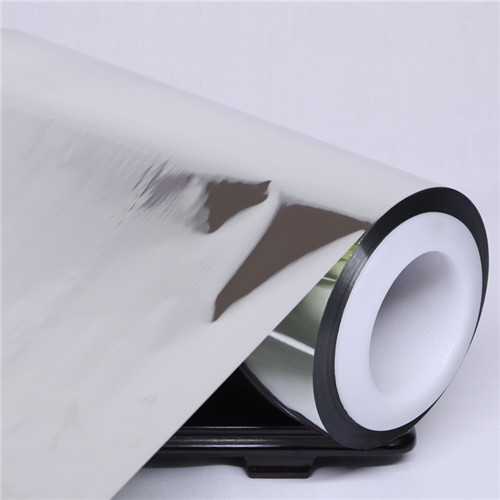
Cailong's film portfolio includes metallized paper intended to provide barrier and printing functions in packaging development. Its paper base and aluminum coating differ from a conventional plastic laminate, so a nominal thickness comparison is insufficient for costing. Obtain the selected material's mass per unit area and identify what that value includes before calculating a purchasing requirement or predicting the weight of a completed bag.
Begin with the developed material area
Use the cutting or bag-making drawing to calculate how much material remains in one finished pouch. A front view can conceal a back panel, bottom gusset, folded side sections and seal allowances. Include those areas in the developed shape. If separate webs form different sections, calculate each from its own dimensions instead of assigning one area to the entire construction.
Check the width and repeat used by the actual conversion layout. A convenient rectangular outline may contain regions that are later removed, while a folded web can place two visible surfaces within one repeat. Ask the converter to confirm the interpretation. The aim is to count the material once wherever it remains in the finished pouch, without overlooking folded or sealed regions.
Clarify which grammage has been quoted
The mass of the base paper can differ from that of the supplied metallized paper and from the final printed laminate. Ask whether a quoted grammage includes the barrier coating, aluminum deposit and other factory-applied layers. Keep the answer attached to the material specification. Adding a contribution that is already included will overstate the package estimate.
Include further layers applied by the converter only when they are outside the supplied grammage. These may include a sealing web, print, varnish or adhesive. Use retained dry mass where appropriate, rather than the wet amount applied before drying. If a contribution is unknown, identify it as missing information and obtain a measured sample instead of assuming it is negligible.
Use a transparent worked calculation
For a simple area-based component, mass in grams equals grammage in grams per square meter multiplied by developed area in square meters. As an arithmetic example only, a hypothetical 80 g/m² construction occupying 0.060 m² would contribute 4.8 g to a pouch. These example inputs are not Cailong product specifications or a validated design recommendation.
Add other construction components on the same basis. A separately supplied closure can be entered as its measured mass per item. A second web can be calculated from its own area and grammage. Keep intermediate totals visible so the buyer can see whether a difference comes from paper weight, pouch dimensions or a feature added during package development.
Keep conversion waste outside finished-pack mass
Trim, startup material and rejected pouches affect purchasing consumption, but they are not part of a saleable pouch's weight. Report them separately. A mass estimate for the finished article answers one question, while the material required to produce an order answers another. Mixing them can make the new packaging appear heavier than what actually reaches the customer.
Where an agreed conversion yield is available, use it to estimate input material for the required quantity of acceptable pouches. For example, divide the net material requirement by the yield expressed as a fraction. Identify that yield as a plant-specific input. Do not invent a standard waste percentage or present a target yield as an achieved production result for metallized paper.
Convert prices onto the same commercial basis
Compare cost per acceptable pouch using the same finished dimensions and required functions. A lower price per kilogram may be offset by a larger mass per pack, while a lighter option may require additional layers or processing. Identify which operations and accessories are included in each quote. This is especially relevant when one supplier quotes a raw web and another quotes a printed laminate.
Keep freight, setup and minimum-order effects visible where the buyer wants a complete landed comparison, using actual quotations. Do not claim a fixed cost saving from material substitution. The result depends on the approved construction, order size and conversion performance. A useful estimate makes those dependencies clear enough for purchasing to update them when quotations or production inputs change.
Verify with conditioned finished samples
Weigh several representative empty pouches from the intended process and compare them with the estimate. Paper moisture can affect measured mass, so agree conditioning and sample handling for a meaningful comparison. Keep closures and other intended components attached. Record the sample quantity and variation instead of treating one prototype measurement as a guaranteed unit weight for every production bag.
If the measured mass differs materially from the estimate, investigate the area calculation and included layers first. Actual grammage, coating application and accessory changes can also matter. Use the findings to correct the cost model. Do not force the measured result into agreement by assigning an unexplained amount to process waste, because that does not alter the mass of the finished pouch.
Compare protection before accepting a lighter design
Reducing grammage or seal allowance changes more than material consumption. The pouch still has to satisfy the required barrier, handling and sealing criteria. Review whether the lighter construction remains suitable for the product and distribution route. A spreadsheet calculation cannot establish equivalent protection, crease durability or leak resistance between two different material systems.
Maintain the approved construction as the basis for both costing and performance trials. If the converter changes a layer to resolve a test issue, update the mass estimate too. This prevents an attractive early quotation from being compared with an older, lighter design after the actual production construction has gained another component or a larger seal region.
What should the buyer send for a reliable estimate?
Provide the developed pouch drawing, planned quantity, selected metallized-paper specification and complete converting route. Request a clear distinction between finished unit mass and expected purchased material consumption. With those inputs, Cailong and the converter can discuss a package-level cost comparison that purchasing can check against samples and production records, rather than relying on a price-per-kilogram comparison alone.
Comment