Metallized PLA Film: Adhesive Cure without Heat
Oct 30,2026 | FOSHAN CAILONG METALLIC PACKAGING MATERIAL CO.,LTD
metallized PLA film raises a practical question for converters replacing a conventional metallized barrier web: can the laminate reach its required bond condition without a heated curing stage? Reducing heat exposure may help a sensitive construction remain dimensionally manageable. However, taking heat out of a process does not establish that the selected adhesive will cure adequately at ambient conditions or that the laminate can immediately enter pouch making.
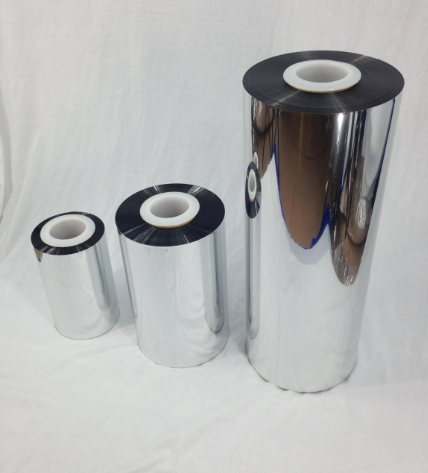
Cailong's film portfolio includes aluminum-coated BOPLA film for packaging development. The metallized PLA range includes different metal-adhesion options, so the exact material identity matters during trials. An ambient-cure project should start with the film grade, contacting surfaces and adhesive supplier's documented recommendations. No universal room-temperature curing schedule is established by the metallized PLA product description.
Distinguish lamination heat from curing heat
First map every heat exposure the web will encounter. Printing dryers, lamination nips, curing storage and sealing jaws perform different jobs. Removing a warm storage stage does not remove heat from the rest of the route. Record the actual web or laminate temperature where it matters, rather than relying only on an equipment setpoint that may describe the air or a machine component.
Then identify why ambient curing is being considered. Is the converter trying to reduce registration movement, avoid roll distortion or accommodate a specific adhesive chemistry? Those objectives require different comparisons. State the observed problem and its acceptance criterion before changing the process, so a successful appearance result does not conceal incomplete bonding.
Obtain approval for the adhesive and surface pair
Ask the adhesive supplier whether the proposed system is suitable for the particular metallized PLA face and the second web. Provide the complete construction, intended application and actual plant conditions. An adhesive described generally as suitable for films may still need confirmation for this interface. Changes to mix ratio, coating amount or cure conditions should follow the supplier's guidance.
Solvent-based, water-based and solvent-free systems do not share one cure mechanism. Ambient temperature alone cannot define their readiness. Drying, chemical reaction and removal of volatile components may each require different controls. Do not assume that a system used successfully on metallized PET can move unchanged to PLA simply because both materials have a metallic-looking surface.
Follow bond development over time
Make a timed sampling plan that reflects the intended route from lamination to conversion. Record elapsed time, temperature and relevant environmental conditions for each specimen. A warm daytime area and a cooler overnight warehouse may not provide the same cure history. Keep the actual history attached to the sample so results can be interpreted rather than averaged across unlike conditions.
Measure bond behavior at agreed stages using a consistent specimen width, peel arrangement and test speed. Record the force and the failure location. Early bonding can differ from the condition after further storage. One satisfactory reading taken much later than the intended production release does not prove that the laminate was ready when the converter planned to slit or make bags.
Determine which interface is failing
A peel result can involve adhesive separation, metal transfer, film tearing or a combination of these events. Inspect both separated surfaces. If aluminum remains on the adhesive and leaves the PLA base exposed, the result cannot be interpreted as a measurement of adhesive-to-metal bonding alone. A stronger apparent adhesive bond may simply move failure to another interface.
Keep metal adhesion and laminate bond development distinct in the trial record. The product range contains different metal-adhesion grades, but that distinction does not guarantee compatibility with an arbitrary adhesive. Compare the selected grade under the actual bonding process. Where a tape or peel method is used, retain its full conditions rather than comparing force numbers from unrelated procedures.
Include the wound laminate in the assessment
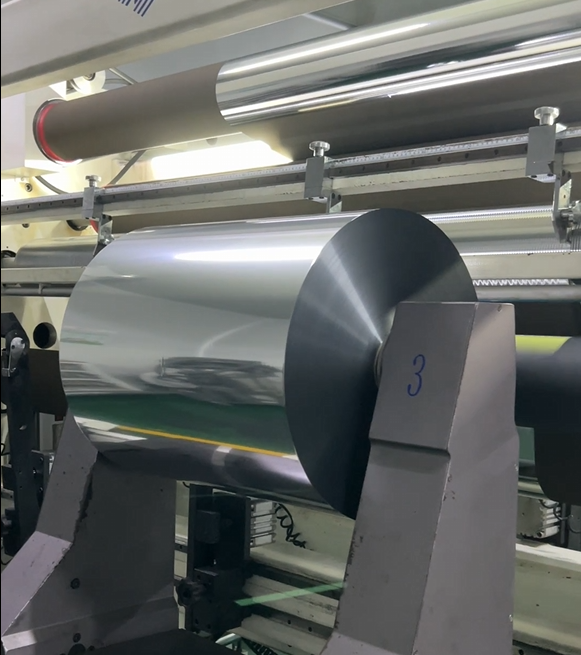
Flat hand samples are useful for early screening, but production curing occurs in a reel with contacting surfaces and a particular winding history. Record reel size, winding settings and storage position. Inspect the laminate during unwind for blocking, wrinkles or visible changes. Avoid releasing a full production reel solely because a small loose sample appeared satisfactory.
Evaluate conversion at the proposed release time. Slitting and pouch making can expose an incompletely developed bond to stresses that a stored specimen never encounters. Compare appearance, separation behavior and relevant package performance after that step. Continue checking bond development later, since a laminate's final condition can differ from its state at the first converting trial.
Retest protection and sealing on the selected route
The purpose of the new process is to make a usable package. Check the relevant barrier and seal performance after ambient curing and conversion, using identified specimens and complete test conditions. The metal layer may contribute protection, but a bond reading cannot establish the laminate's OTR or WVTR. Likewise, satisfactory barrier data do not demonstrate seal integrity.
Treat replacement of a conventional metallized laminate as a coordinated change in material and process. Keep the existing construction as a comparison while the PLA version is developed. Assess the intended product and distribution conditions before assigning shelf life. Any compostability claim for the finished laminate also needs evidence for its full composition, including the bonding system.
Include realistic production interruptions in the trial plan. A reel left awaiting conversion over a weekend has a different history from one processed immediately after its minimum holding period. Record both the earliest intended release and the normal storage sequence. Their comparison helps establish a workable operating range without turning a single favorable trial into a general approval for all ambient conditions.
Set a release condition that production can verify
Agree what must be true before the reel moves to the next operation: recorded cure history, specified bond behavior and any adhesive-system checks required by the application. Keep the requirement linked to the tested construction. Ambient curing becomes a practical option when the converter can demonstrate readiness under real plant conditions, rather than equating the absence of a heated room with a completed cure.
Comment