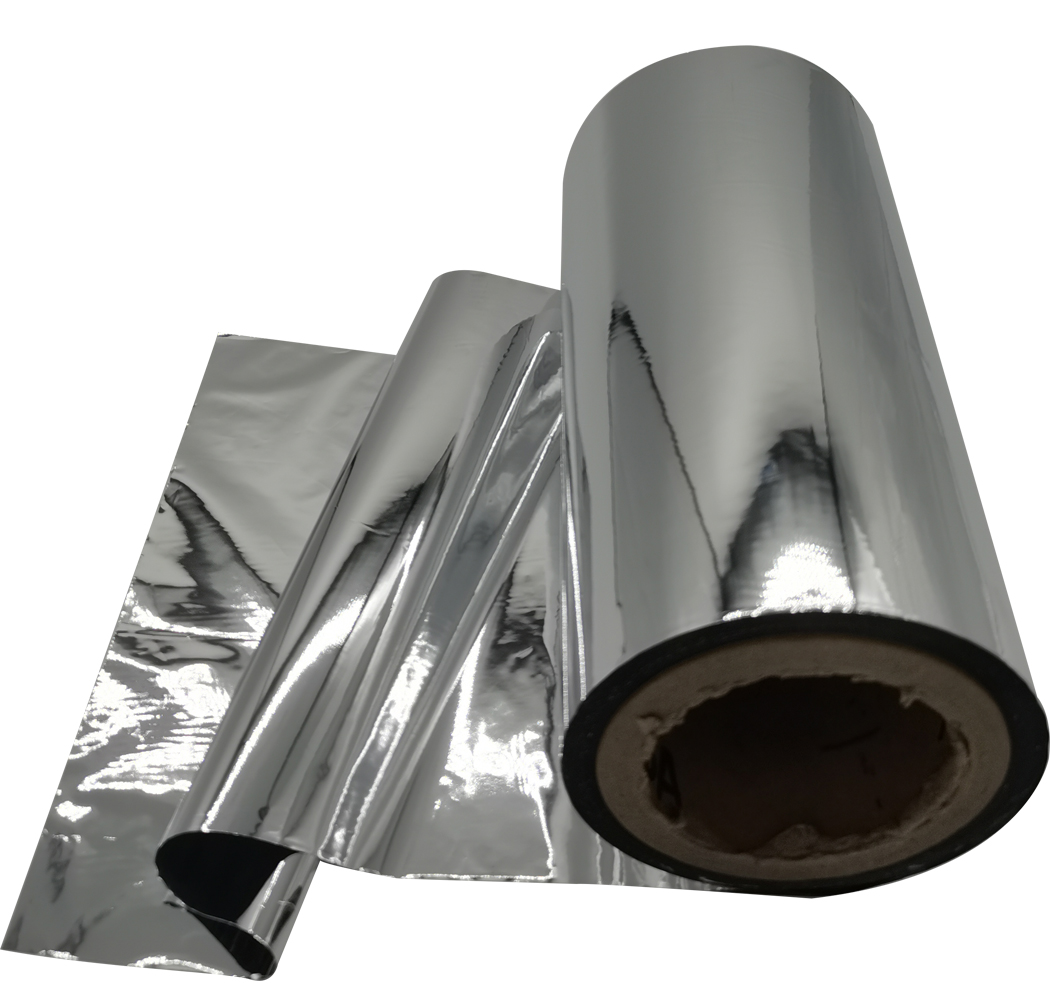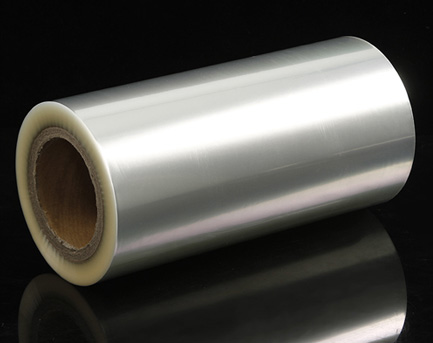
Metallized PET for Confectionery Box Liners
Nov 18,2026 | FOSHAN CAILONG METALLIC PACKAGING MATERIAL CO.,LTD
A gift box containing dry confectionery can use a separate sealed inner bag to handle the protective work while the carton carries the printed presentation. In that design, metallized PET film is a candidate metallized layer for the inner laminate. Buyers can start by deciding how the bag fits inside the box, when it is opened and which product changes it must help limit. Those decisions determine the bag construction and the supplier data needed for a meaningful quotation.
Cailong's film portfolio lists general-grade vacuum metallized PET for flexible packaging and lamination. Confirm the available gauge, coating face and information on the offered grade. A general grade can be screened against the application's requirements before considering a specialized barrier web. To qualify an inner bag, use the intended partner films, seals, product and box. The family name alone does not establish the final package's protective performance.
Assign the carton and bag separate jobs
Use the carton drawing to identify the presentation, shape and handling needs. Then identify what the inner bag must provide while it is sealed. The inner pack may contain a single assortment or several portions that will be removed at once. Record the method of access. If the carton contains a decorative insert, identify where the bag touches it and whether the sealed pack should be seen when the lid opens.
Decide whether an opaque inner pack is compatible with that presentation. A metallized bag can be appropriate when the outer box explains the contents and the buyer does not need a window. If it is important to inspect the assortment before opening, review where visibility belongs in the package. This avoids selecting the film purely for appearance while leaving a conflicting requirement unresolved.
Allow room for the bag without losing the presentation
Measure the usable depth and length inside the assembled carton. Include the effect of dividers, folds or a stepped base. Make a trial bag with the intended fill and place it in the carton in its normal orientation. Inspect the end seals and where the bag comes close to the box edge. The controlled pouch dimensions should leave enough space for insertion and removal without shifting the decorative parts.
Check how the bag presents when the lid is removed. A narrow bag can slide to one side and expose part of the carton interior unexpectedly. A broad bag can look crowded or bend at the opening. Compare two reasonable formats using the same trial laminate where fit is the main question. Retain the actual product count and orientation with the accepted bag size.
Define the laminate before comparing options
Draw the outer surface, metallized PET and selected sealing face if the concept uses separate layers. Ask the converter which side is bonded and which layer contacts the product. Where the pack will be printed, establish the design and print position in the construction. A bag that sits inside the carton may need visible lot information, even if most decoration stays on the box.
If there is an incumbent laminate, compare the specific functions of its layers with the proposed construction. Choose the grade based on the product's required protection and processing conditions. Keep the test conditions with any oxygen or water vapor values the supplier provides. A film result can help narrow the selection. The converted bag, seal geometry and storage evidence determine whether the proposed pack suits the confectionery.
Plan the opening and packing sequence as one design
Remove a filled trial bag as a customer would. Check whether the opening feature is easy to find once the bag is lifted from the tray. Compare a bag opened inside the carton with one removed first if both are plausible. Confirm whether the intended action exposes the product cleanly or pushes the inner pack against a divider. This observation can guide artwork placement and the size of the handling area.
On the packing line, identify how the bag is placed and whether its orientation is consistent. If the print must face a particular direction, give the team a visible placement reference. Inspect prototypes after they are loaded, closed and reopened. Record whether elements inside the box shift during the normal operation. A simple packing sequence can be as valuable to the project as a change in film gauge.
Validate the sealed product under its storage conditions
Use the buyer's established storage and handling plan for the actual confectionery. Compare an incumbent bag and the proposed bag under the same conditions and retain corresponding samples. If the product is sensitive to moisture or oxidation, agree on the relevant finished-pack and product checks. The outer box can protect presentation during handling, while the sealed inner bag still needs evidence for its own role.
Include the intended assortment mix in the evaluation. Pieces with different shapes may load the bag differently, and a change in their arrangement can alter how the finished box looks. Record any result that affects protection independently from an appearance or opening preference. Keep the physical reference so the packaging buyer can decide whether a future change affects the same requirements.
Request samples and pricing for one defined pack
If the bag encloses pieces in separate paper cups, include the cups in the trial. Their edges can influence how much clearance is needed even when the net weight stays fixed. Record whether the cups remain positioned when the sealed bag is removed from the carton.
Send the supplier the material and laminate requirements, roll width, bag dimensions and expected supply format. Include the number and arrangement of the pieces inside the box and an opening reference. Ask who will supply printed work, conversion and validation samples. Retain an approved carton with the bag still sealed and a second one showing the intended opening. Together they define the material, protective package and presentation the sourcing team needs to reproduce.
Comment