Holographic Film: Barcode Readability
Oct 21,2026 | FOSHAN CAILONG METALLIC PACKAGING MATERIAL CO.,LTD
Holographic Film can create a distinctive label surface, but the same changing reflections can complicate a machine-readable code. A barcode that scans from one position at the artwork desk may become unreliable on a curved pack or under a different scanner light. The design needs a stable reading area before the decorative pattern fills the whole label.
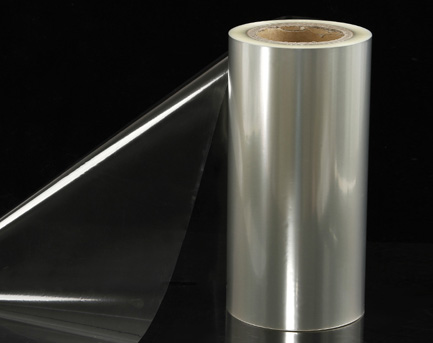
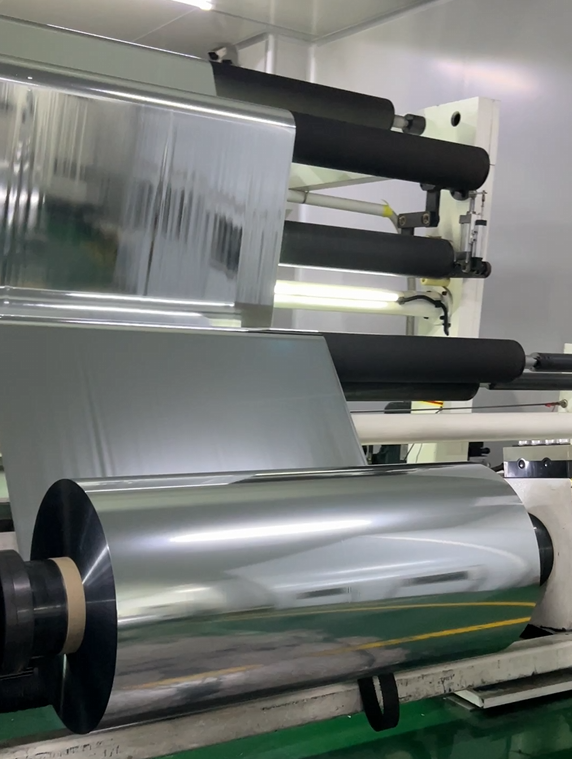
Cailong's film portfolio lists metallized, dielectric and transparent holographic film options, with labels and packaging among the described uses. These choices provide different visual starting points. They do not establish barcode performance. The printed code, background, finished label construction and reading conditions must be evaluated as a system.
Reserve a reading zone during artwork development
The barcode area includes more than its dark bars or modules. The surrounding quiet zone must remain clear enough for the reader to distinguish the symbol from nearby graphics. Decorative lines, security motifs and text should not intrude into that space. Identify the required symbol and its applicable layout rules before finalizing the artwork.
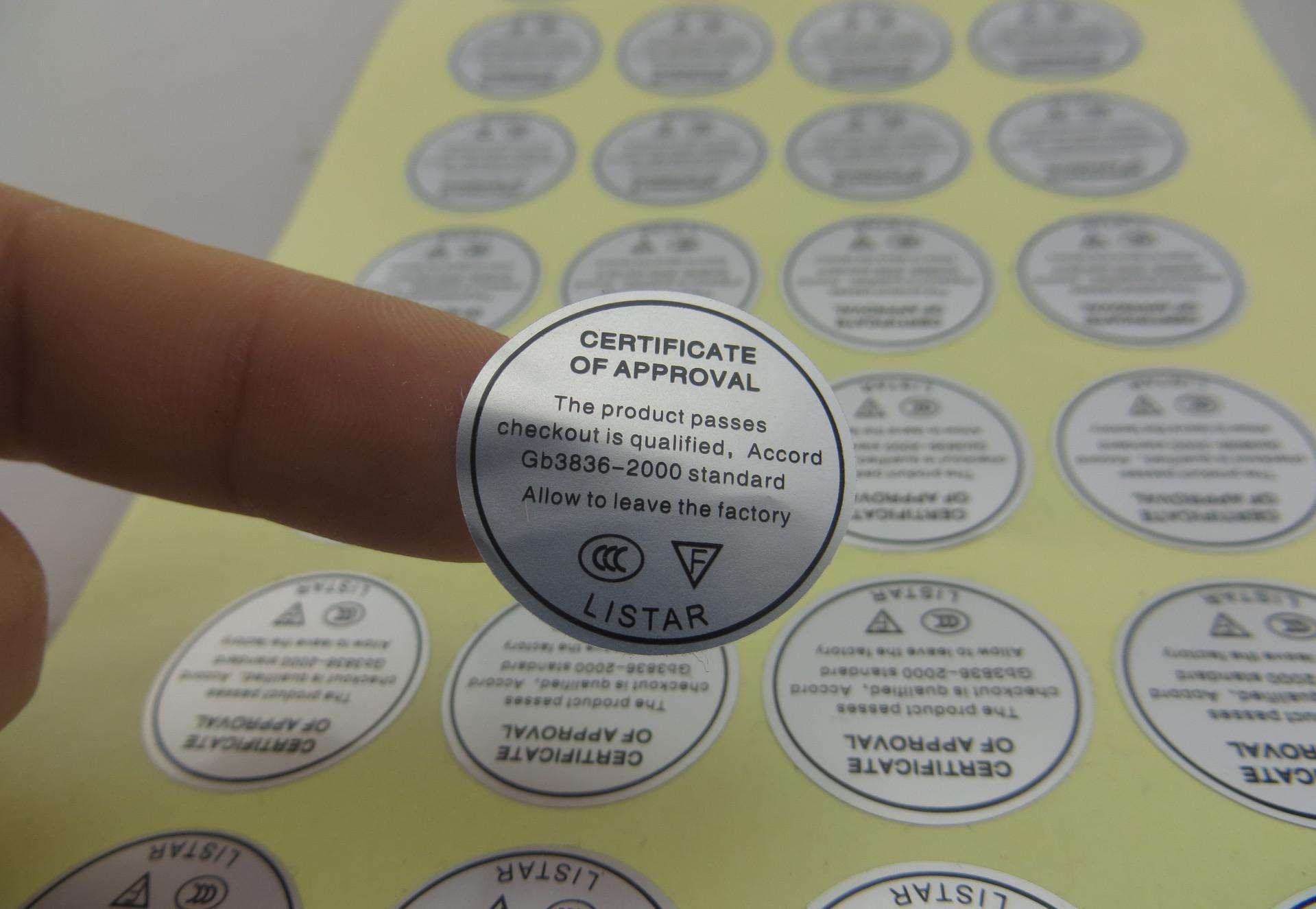
For a reflective label, a deliberately opaque, light background is a practical candidate to evaluate beneath the code and its quiet zone. The goal is to prevent the holographic pattern or the contents behind a transparent label from becoming part of the reader's background. A visually pale region is not necessarily sufficiently opaque.
Agree the dimensions with the barcode and prepress teams rather than inventing a universal margin. Different symbologies have different requirements. If available space is tight, discuss code size and placement early; reducing the quiet zone simply to preserve a decorative feature can create a problem that press adjustments cannot solve.
Distinguish contrast from decorative brightness
Human observers may describe a holographic sample as bright, but a scanner responds to the light reaching its sensor under its own illumination. A decorative silver area is not equivalent to a stable white background. Its apparent brightness can change as the pack rotates, and reflected highlights can interfere with the intended dark-light distinction.
Compare candidate print backgrounds with a consistent ink system and press setup. Inspect white coverage, pinholes and the interaction between the dark code ink and the underlying decoration. Adding a nominal white layer to the artwork does not prove that the printed result is opaque. The trial should establish the coverage needed for that construction.
Avoid interpreting every reading failure as an ink-density issue. Registration, symbol dimensions, damaged modules and background uniformity can also matter. Identify the actual defect before increasing ink laydown or replacing the holographic film.
Select the holographic type around the label role
A metallized holographic facestock and a transparent holographic overlay create different optical arrangements. In the first, the code may sit over a reflective layer. In the second, the viewer may see decoration, printing and the package behind one another. Map those layers before deciding where the opaque reading area belongs.
If a transparent version is selected to retain product visibility, reserve that visibility for parts of the label where it serves the design. The code zone may need a different treatment. A transparent decorative window and an opaque code panel can be evaluated within one layout without asking the same area to perform incompatible visual functions.
The supplier's range provides material options for this development. It does not mean every option will print identically or use the same coating and ink combination. Confirm the selected surface and printing method, then run a representative proof on that material rather than approving only a digital rendering.
Verify on the shape that reaches the scanner
Apply trial labels to the intended container. Curvature changes how a symbol is presented to the reader, while seams, label overlap and panel edges can interrupt the scan area. Position the code so the normal scanning movement gives it a useful view. A flat retained label remains useful for investigation, but it is not the complete finished-pack test.
Include the actual contents or a justified optical substitute when transparent regions are involved. A code approved over an empty clear bottle may behave differently when dark contents sit behind the label. The product color should not become an uncontrolled part of the barcode background.
Test practical orientations and the relevant reader types. A successful phone scan is a useful observation, but it does not replace verification or demonstrate performance on a distribution-line scanner. Keep formal symbol-quality assessment and operational line trials distinct, since each reveals different parts of the problem.
Inspect the finished print after handling
The clear coating or laminate applied over a code can change its visible surface. Approve the construction after that step, not just at the printing station. Check for trapped particles, surface scuffs or local distortion in the reading area. Where labels face abrasion during packing, include that exposure in the evaluation.
When a problem occurs only in selected labels, retain their roll positions and press observations. Compare white coverage and code geometry before attributing the issue to the holographic pattern. A localized printing defect and a layout that is vulnerable at every angle call for different corrections.
The GS1 guidance on 2D barcode quiet-zone contrast supports keeping a strong dark-light distinction and a consistent background around the symbol. Apply the relevant symbol rules to the printed label rather than assuming a decorative background will remain readable in every orientation.
The procurement brief should connect the decorative objective with the scanning requirement: selected holographic type, code symbology, container shape, opaque print zone and verification route. This gives the supplier and converter a workable target. Holographic film can remain a strong visual element when the artwork protects a consistent reading area and the complete label demonstrates the required barcode performance under its real use conditions.
Comment