High Barrier Metallized BOPP Film for Recyclable Flexible Packaging and Longer Product Shelf Life
Aug 04,2026 | FOSHAN CAILONG METALLIC PACKAGING MATERIAL CO.,LTD
Why High Barrier Metallized BOPP Film Matters
Flexible packaging frequently uses several different materials to obtain the required barrier, mechanical strength, printability, and sealing performance. Although these multilayer structures can protect the product effectively, combining PET, aluminum foil, nylon, PE, and other materials may make sorting and recycling more complicated.
High Barrier Metallized BOPP Film provides another option. Because BOPP is based on polypropylene, it can support the development of packaging structures in which the main functional layers belong to the same polymer family. This does not automatically make every finished package recyclable, but it can reduce material complexity when properly incorporated into a mono-PP design.
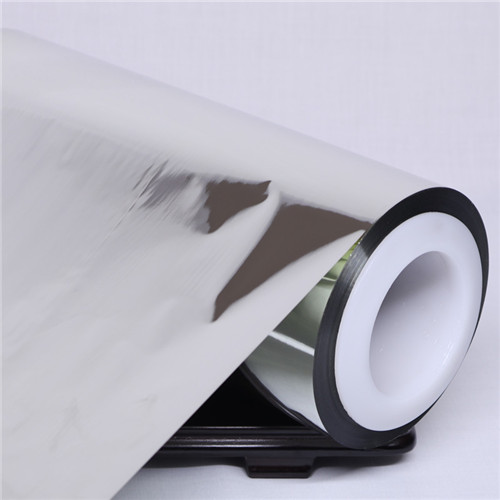
Cailong High Barrier Metallized BOPP Film combines a polypropylene substrate with a deposited aluminum layer. Its barrier performance, aluminum adhesion, appearance, and processing characteristics make it relevant to food, snack, dry-product, and daily-care packaging.
Barrier Performance and Shelf-Life Protection
Oxygen and moisture are two major causes of product deterioration. Oxygen can contribute to oxidation, flavor changes, color loss, and degradation of sensitive ingredients. Moisture can soften crisp snacks, cause powders to agglomerate, or reduce the stability of dry products.
Cailong High Barrier Metallized BOPP Film offers an oxygen transmission rate as low as 0.12 cc/m²·24h and a water vapor transmission rate of 0.18 g/m²·24h. These values indicate strong protection against oxygen and moisture under the corresponding test conditions.
Buyers should confirm the test temperature, relative humidity, sample preparation, and testing method before comparing these figures with data from other materials. Barrier values measured under different conditions are not directly equivalent.
The target should also be the performance of the complete package. Printing, lamination, folding, slitting, sealing, and transportation can affect the final barrier. A technically responsible qualification process therefore includes testing of the finished laminate and pouch, not only the original roll.
Strong Aluminum Adhesion for Converting Stability
Aluminum-layer adhesion is an important purchasing criterion for metallized BOPP film. If the deposited layer is poorly attached to the substrate, it may transfer, peel, or become damaged during lamination and pouch making. This can reduce barrier consistency and create visible defects.
Cailong High Barrier Metallized BOPP Film provides aluminum-layer adhesion up to 3.5 N/15 mm. Strong adhesion can improve stability during printing, adhesive coating, lamination, slitting, and other converting operations.
Nevertheless, bond strength in a finished laminate depends on the interaction among the aluminum layer, substrate, adhesive, ink, processing temperature, curing conditions, and companion film. Buyers should conduct trials with the actual adhesive system and production equipment.
A trial should evaluate both initial and fully cured bond strength. If testing is conducted before the adhesive reaches full cure, the result may not represent final performance.
Supporting Mono-Material PP Packaging
The movement toward mono-material flexible packaging is based on a simple idea: structures made predominantly from one polymer family are generally easier to handle within an appropriate recycling stream than packages containing several incompatible materials.
High Barrier Metallized BOPP Film can serve as a barrier layer in a polypropylene-based structure. It may be combined with other compatible PP-based layers that provide printing, stiffness, sealing, or mechanical performance.
However, the term “recyclable” should be used carefully. The recyclability of a finished package depends on:
- The complete material structure
- The percentage of polypropylene in the package
- Adhesives, inks, coatings, and closures
- Local collection and sorting systems
- Recycling-facility acceptance
- Applicable design-for-recycling guidelines
- Testing by relevant organizations or customers
High Barrier Metallized BOPP Film can support a recycle-oriented design, but the complete package must still be assessed. Buyers should avoid making an unconditional recyclability claim based solely on the base film.
Replacing VMPET or Aluminum Foil
Cailong High Barrier Metallized BOPP Film can be evaluated as an alternative to VMPET or aluminum foil in suitable applications.
Replacing VMPET with metallized BOPP may help packaging designers move toward a PP-dominant structure. Replacing aluminum foil can reduce material weight and improve flexibility while maintaining the metallic appearance and barrier function required for certain dry-food products.
Material replacement should never be based only on a nominal barrier value. Aluminum foil, VMPET, and metallized BOPP differ in stiffness, folding behavior, dead-fold properties, light barrier, puncture resistance, thermal response, and converting performance.
Before changing the structure, packaging developers should define the essential functions of the existing material. They should then confirm that the new film can satisfy those functions after printing, lamination, filling, sealing, transportation, and storage.
Applications in Food and Consumer Packaging
High Barrier Metallized BOPP Film is suitable for products that need protection from moisture, oxygen, and light. Common target applications include dry foods and consumer goods where maintaining texture, flavor, and appearance is important.
Potential applications include:
- Nuts and dried fruits
- Potato chips and savory snacks
- Biscuits and confectionery
- Coffee and tea
- Powdered foods and seasonings
- Dehydrated products
- Daily-care and personal-care products
- Labels and decorative packaging
- Other products requiring a metallic appearance
Each application has different performance requirements. Coffee packaging may need aroma retention and degassing functionality. Snack packaging may prioritize moisture barrier and seal integrity. Daily-care products may require resistance to fragrances, oils, or chemical ingredients.
For this reason, a packaging structure should be qualified using the actual product rather than a substitute material whenever possible.
Metallic Appearance and Brand Presentation
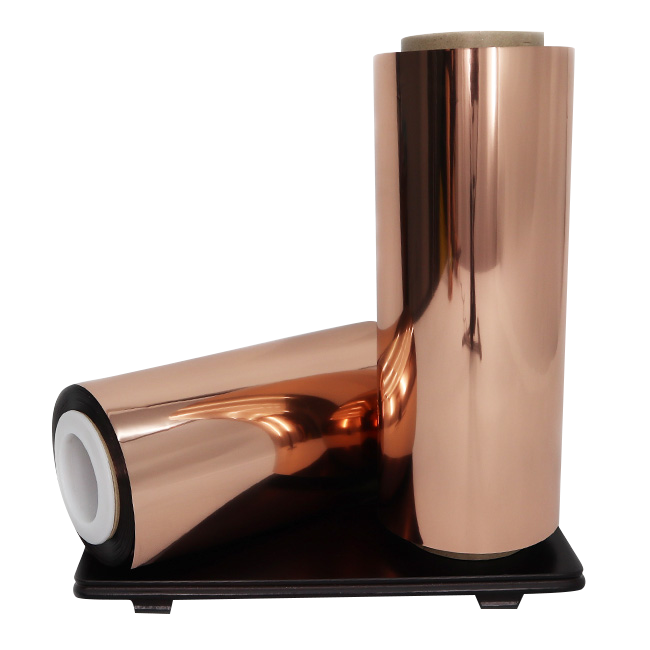
Metallized BOPP Film provides a reflective metallic appearance that can improve shelf impact. It may be used as a visible outer layer or as a protected internal layer within a printed laminate.
When appearance is important, buyers should evaluate optical density, brightness, gloss, aluminum uniformity, wrinkles, scratches, and roll-to-roll consistency. Uneven metallization can cause color differences after printing and lamination.
The printing process also affects the final appearance. Transparent or colored inks printed over a metallic background can produce decorative effects, but the converter should verify ink adhesion and color consistency.
Barrier performance and appearance should be evaluated together. A film should not be accepted only because it looks bright, just as it should not be accepted only because one laboratory barrier result is satisfactory.
Converting and Lamination Considerations
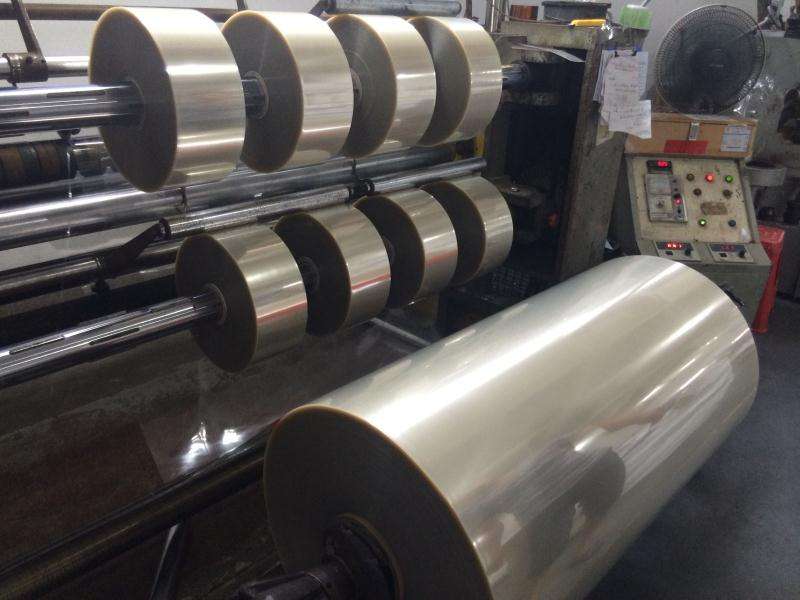
High Barrier Metallized BOPP Film should be handled carefully throughout converting. Excessive web tension may stretch the substrate, while high pressure or dirty rollers can damage the metallized surface.
Converters should examine:
- Web tension settings
- Printing-side and lamination-side identification
- Surface treatment level
- Ink and adhesive compatibility
- Drying and curing conditions
- Roll storage temperature and humidity
- Slitting quality
- Static control
- Finished-roll winding
- Protection against scratching and contamination
Adhesive selection is particularly important. The adhesive must bond effectively without attacking or weakening the metallized layer. Excess residual solvent, insufficient coating weight, or inadequate curing may contribute to poor bond strength.
The converter should test barrier performance after lamination because some structures show excellent initial results but lose protection after flexing or pouch making.
Seal Integrity Remains Essential
A high-barrier film cannot compensate for a weak seal. Oxygen and moisture may enter through poorly sealed areas even when the film itself has extremely low transmission rates.
The sealing layer, sealing temperature, dwell time, pressure, contamination resistance, and package geometry should be optimized for the filling line. Seal strength and leakage performance should be tested after production and after simulated distribution.
For snack packaging, high-speed machine performance may be as important as laboratory barrier data. The material structure must run consistently without excessive wrinkles, film breakage, sealing defects, or registration problems.
When replacing an existing laminate, buyers should schedule a full production trial rather than relying only on small laboratory samples.
Evaluating Total Packaging Cost
The lowest film price does not necessarily produce the lowest packaging cost. Procurement teams should consider material yield, line speed, waste rate, adhesive consumption, package weight, storage, transportation, and rejected production.
High Barrier Metallized BOPP Film may offer value by combining a BOPP substrate, metallic appearance, and barrier function. In suitable structures, it may reduce the need for aluminum foil or a PET-based metallized layer.
However, the financial benefit depends on the complete package. A less expensive film that creates high scrap levels or requires slow production may cost more overall. Conversely, a technically stable material can justify a higher unit price if it reduces waste and improves line efficiency.
Buyers should compare cost per finished package rather than cost per kilogram alone.
Quality-Control Questions for Overseas Buyers
Before approving a High Barrier Metallized BOPP Film supplier, international buyers should request clear technical and commercial information.
Important questions include:
- What are the stated OTR and WVTR test conditions?
- How is aluminum-layer adhesion measured?
- How consistent is optical density across the web?
- What roll widths and film thicknesses are available?
- Which surface is recommended for printing or lamination?
- How should the material be stored?
- What is the recommended shelf life of the film?
- Can samples be supplied for production trials?
- Is batch-specific quality documentation available?
- How are wrinkles, telescoping, edge quality, and roll defects controlled?
The supplier should also understand the intended application. A useful technical discussion includes the packaged product, laminate structure, filling method, sealing process, shelf-life target, and distribution environment.
Recommended Qualification Process
A structured qualification process can reduce the risk of material changes.
First, define the required barrier, appearance, mechanical, sealing, and recycling objectives. Second, conduct laboratory tests using representative samples. Third, produce a pilot laminate with the intended ink and adhesive. Fourth, convert the laminate into actual packages. Fifth, perform filling, sealing, transportation, and storage trials.
Where recyclable packaging is the objective, the complete structure should also be evaluated according to the target market’s collection and recycling requirements.
Barrier testing should be repeated after converting and aging. This identifies whether the package retains its performance throughout its intended service life.
Conclusion
Cailong High Barrier Metallized BOPP Film offers an oxygen transmission rate as low as 0.12 cc/m²·24h, a water vapor transmission rate of 0.18 g/m²·24h, and aluminum-layer adhesion of up to 3.5 N/15 mm. These properties support packaging for snacks, dried foods, daily-care products, and other moisture- or oxygen-sensitive goods.
Its polypropylene base also makes it relevant to mono-material PP packaging development and potential VMPET or aluminum foil replacement. Nevertheless, the final package must be assessed as a complete system. By evaluating barrier retention, adhesion, sealing, converting stability, recycling compatibility, and total cost, buyers can determine whether High Barrier Metallized BOPP Film is appropriate for their specific application.
Comment