Matte Metallized PET Film for Label Overprints
Nov 12,2026 | FOSHAN CAILONG METALLIC PACKAGING MATERIAL CO.,LTD
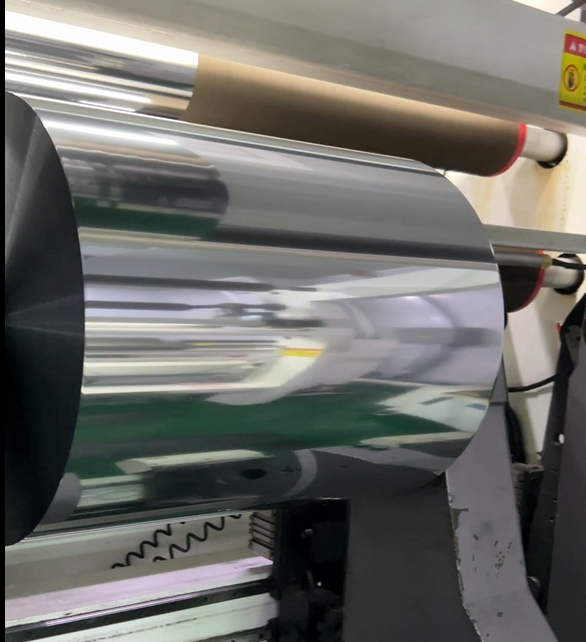
A matte metallic label can have the right finish on an incoming roll and look noticeably glossier after selected areas are overprinted. matte metallized PET film is a candidate for a subdued metallic appearance in a converted label. To choose the material and print finish together, compare unprinted, printed and overcoated regions under the light the customer will use.
Cailong's film portfolio lists a single-sided matte metallized PET option for decorative converting. Confirm the offered gauge and surface orientation before requesting print samples. The matte appearance belongs to the supplied material construction. Ink, varnish, adhesive and the final container can change what the customer sees after conversion.
Define where the matte look matters
Mark the artwork areas that should retain the metallic texture. Identify any logo or graphic that intentionally has a different sheen. A high contrast spot finish can be part of the design, while an unintended shiny patch may be unacceptable. Show the printer the intended boundaries and provide a physical reference where practical.
Record the conditions used to approve the appearance. Include illumination direction, viewing angle and background. A metallic surface can show a different highlight when tilted. Comparing a flat roll swatch with a curved applied label can create a difference unrelated to ink. Use the same geometry for a controlled comparison and the actual product for final approval.
Keep the incoming surface as a control
Retain a clean sample of the same lot and mark the side viewed. Inspect it alongside the printed and finished pieces. Include representative positions across the roll if the customer reports variation. Use consistent support and observation conditions. The retained film gives the converter an appearance reference before print layers are introduced.
Record the selected material grade and surface pair. If the supplier offers another matte construction, identify it as a different candidate. The names used for finishes can cover more than one surface design. Ask for representative production material when the final choice depends on a specific visual effect.
Compare ink and coating separately
Prepare a trial that retains unprinted areas and includes the relevant ink and varnish combinations. Record which layers cover each region. A change can occur when ink is applied, when the varnish covers it or when the complete stack is mounted. Preserve specimens at those stages so the team can identify when the appearance first changed.
Use the printer's approved process for the proposed ink and finish. Document application, cure and timing where relevant. If two printing conditions differ, show those differences with the samples. An acceptable label produced after several changes may qualify the combination, while the original reason for the gloss change may remain unclear.
Inspect boundaries and fine artwork
Compare the print boundary under representative illumination. Note whether the sheen change follows the artwork, a print repeat or a particular region across the web. A boundary that matches the varnish layout gives the printer a different starting point from a random mark. Keep the full repeat and its location visible in the record.
Inspect the smallest design detail that must remain readable. Metallic reflection can change apparent contrast under directional light. Use an agreed viewing distance and retain an approved example. Check any required barcode separately using a suitable method and the final label geometry. A broad visual judgment cannot establish its performance.
Measure appearance at the intended stage
If the buyer uses gloss or color readings, agree the instrument geometry and the area to measure. Record surface orientation. A reading taken across a mixture of printed and unprinted regions may hide the local effect under investigation. Select points that correspond to the artwork zones and keep those points with the report.
Then apply representative labels to the actual surface. Inspect the relevant curves, edges and lighting conditions. The substrate behind the label and the way the label follows a contour can alter the observed reflection. Distinguish measurements made on flat stock from the appearance of a finished item.
Confirm conversion and use requirements
Check ink and coating adhesion with the methods required for the intended label. Record the construction and conditioning. An attractive appearance does not establish that the overprint can withstand handling or contact expected in service. Use the acceptance tests selected for the actual application.
If the product is handled or cleaned after labeling, evaluate the approved finish after the relevant exposure. Keep a specimen that has not been exposed for comparison. When an appearance change is reported, record whether it affects the surface finish, the graphic or the bond. These observations help assign the appropriate corrective action.
Request a representative printed sample
Identify the matte metallized PET grade, thickness and roll dimensions. Include the viewing face, artwork, ink coverage and planned varnish. Provide the intended container or support and the accepted visual reference. Ask the printer to retain material from the same roll so an appearance difference can be traced back to the incoming surface.
Repeat the viewing check on labels applied to the actual container. A curved wall can bring the varnished strip into a strong reflection at a viewing angle that was absent on the flat proof. Include the normal package orientation and a turned position that is likely during shelf handling. If a clear overlay or protective coating is used downstream, place it on the same sample before final approval. Retain that construction as the reference for comparing future print runs against the buyer's approved appearance.
Matte metallized PET can support a metallic label with controlled sheen when the print and coating arrangement meets the design. Approve the supplied film alongside the converted label and document which regions may have intentional gloss. This gives purchasing a clear basis for selecting a supplier and checking whether a later print or coating change still produces the intended appearance.
Comment