Metallized PLA Film: Dryer Stops and Web Heat
Nov 05,2026 | FOSHAN CAILONG METALLIC PACKAGING MATERIAL CO.,LTD
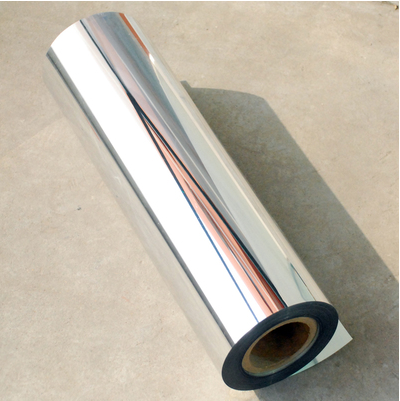
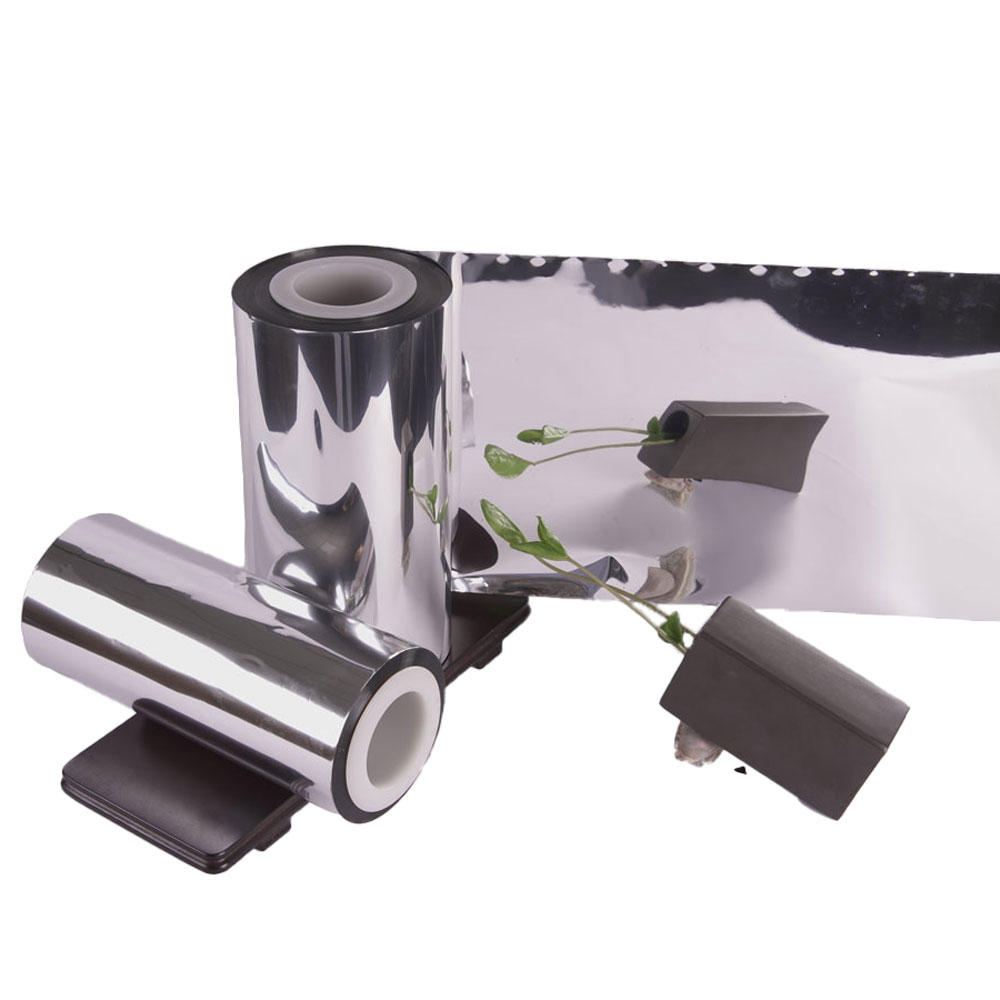
metallized PLA film is a candidate when a converter is developing a PLA-based metallic barrier layer. A production trial should cover interruptions as well as steady running. Material that remains near a heated zone during a stop has a different exposure history from web moving continuously through the same machine. That difference needs assessment before the affected section is accepted.
Cailong's film portfolio presents metallized PLA for biodegradable-packaging development, and the brochure identifies normal-adhesion and high-adhesion options. These references help define the incoming material. They do not establish a dryer-stop procedure or a safe stationary-web exposure time for every printing and lamination line. The trial plan must be agreed with the equipment and material suppliers.
Describe the interruption that matters
List the types of production stop relevant to the intended operation: a planned pause, a web break, a downstream interruption or a changeover. Their effects on dryer conditions may differ. Use the machine's approved operating instructions to identify how the line responds. This article is a material-evaluation framework, not a substitute for the equipment manufacturer's stop and restart procedure.
Map the web path through the heated sections and identify which material could receive altered exposure. Include the length that was inside the dryer and relevant transition sections where conditions changed. Do not assume that only the exact piece visible at the moment of stopping is affected. Traceability should follow the actual process response and web movement.
Distinguish running exposure from a temperature label
A dryer setting describes only part of the thermal history. Residence time, web speed, air conditions and the material's position affect the exposure experienced during a trial. Record the information available from the machine and use appropriate measurements agreed with the equipment team. Avoid treating the displayed temperature as a direct measurement of the entire film surface.
During an interruption, those relationships may change. A satisfactory moving-web sample therefore does not qualify a stationary or slowly moving section. Keep the two situations separate in the trial report. Similarly, a supplier's free-film heat-shrinkage result applies to its stated test and specimen; it does not automatically define a line's permissible pause duration.
Select the PLA grade before drawing conclusions
The brochure separates metallized PLA options by their aluminum-attachment characteristics. Confirm which grade and gauge are being supplied and retain an incoming sample. A change of grade during troubleshooting can make it difficult to tell whether the process adjustment or the material change caused an observed difference. Keep comparisons tied to identified rolls rather than the generic term PLA.
The deposited layer and the PLA support also have different roles. Metallic appearance or barrier performance may be affected by damage that is not obvious from dimensional measurements alone. Conversely, a dimensional change does not identify which interface has changed. Assess each relevant property with a suitable method instead of using one visual observation as a verdict on the complete material.
Identify affected material before it is mixed into production
Plan how the operator will mark and segregate trial sections according to the approved quality system. The record should connect each section with the interruption, its location in the machine and the conditions at restart. A label saying startup waste is less useful than a traceable description of the section's actual exposure history.
Retain samples from stable running before the interruption, the affected zone and stable running after recovery. Include transitional material if its condition is uncertain. Do not decide an automatic discard length from the film brochure; establish the disposition using the machine layout, process evidence and agreed inspection. The aim is to prevent uncertain sections from becoming indistinguishable from qualified output.
Examine more than a change in print register
Inspect for visible distortion, wrinkles, surface changes and metal-layer disturbances. Where relevant, measure dimensions at the same conditioning state and orientation. Compare the results with the stable-running control. These observations help locate a problem, but a visually acceptable sample may still need laminate bond or barrier evaluation for the intended package.
For printed material, include the actual ink system and its approved drying requirements. Do not reduce drying simply to preserve film appearance without checking whether the ink has been processed correctly. Residual-solvent or other print-release requirements belong in the converter's established evaluation plan. Film handling and print completion must be resolved together rather than trading one unverified condition for another.
Carry the trial into the intended laminate
An exposed single web may behave differently once bonded into a structure. Produce the relevant trial laminate from clearly identified sections and compare the properties required by the customer. Record adhesive, companion material and cure conditions. If the final package needs a defined barrier level, test representative converted specimens rather than assuming that an intact metallic appearance proves protection.
If the project includes a compostability or biodegradability claim, evaluate that claim for the finished construction and intended disposal route. Metallized PLA does not make every combination of adhesive, ink and sealing material compliant. Keep environmental qualification separate from the interrupted-dryer investigation; neither a successful process trial nor a PLA resin description establishes the other claim.
Release a process window with a recovery plan
The useful output is a documented operating window, an approved response to interruptions and a method for identifying material whose condition needs review. Include the evidence required before restarting normal acceptance. The procedure should be usable by production staff and should remain consistent with the machine manufacturer's instructions.
When comparing metallized PLA with an existing metallized polyester route, include these interruption and recovery requirements in the practical cost assessment. A candidate that runs well at constant speed still needs a workable production-control plan. Qualification becomes more meaningful when it covers the web sections produced around a stop as carefully as those collected during the smoothest part of the trial.
Comment