Metallized Paper and Seam Fiber Tear
Nov 09,2026 | FOSHAN CAILONG METALLIC PACKAGING MATERIAL CO.,LTD
A paper based sachet can pass a seal test and still tear through the paper next to the seam during opening. metallized paper gives converters an aluminized paper option for barrier packaging. When the customer wants a predictable opening, identify which layer fails and where the tear starts. That information tells the converter whether to investigate the seam or the surrounding structure.
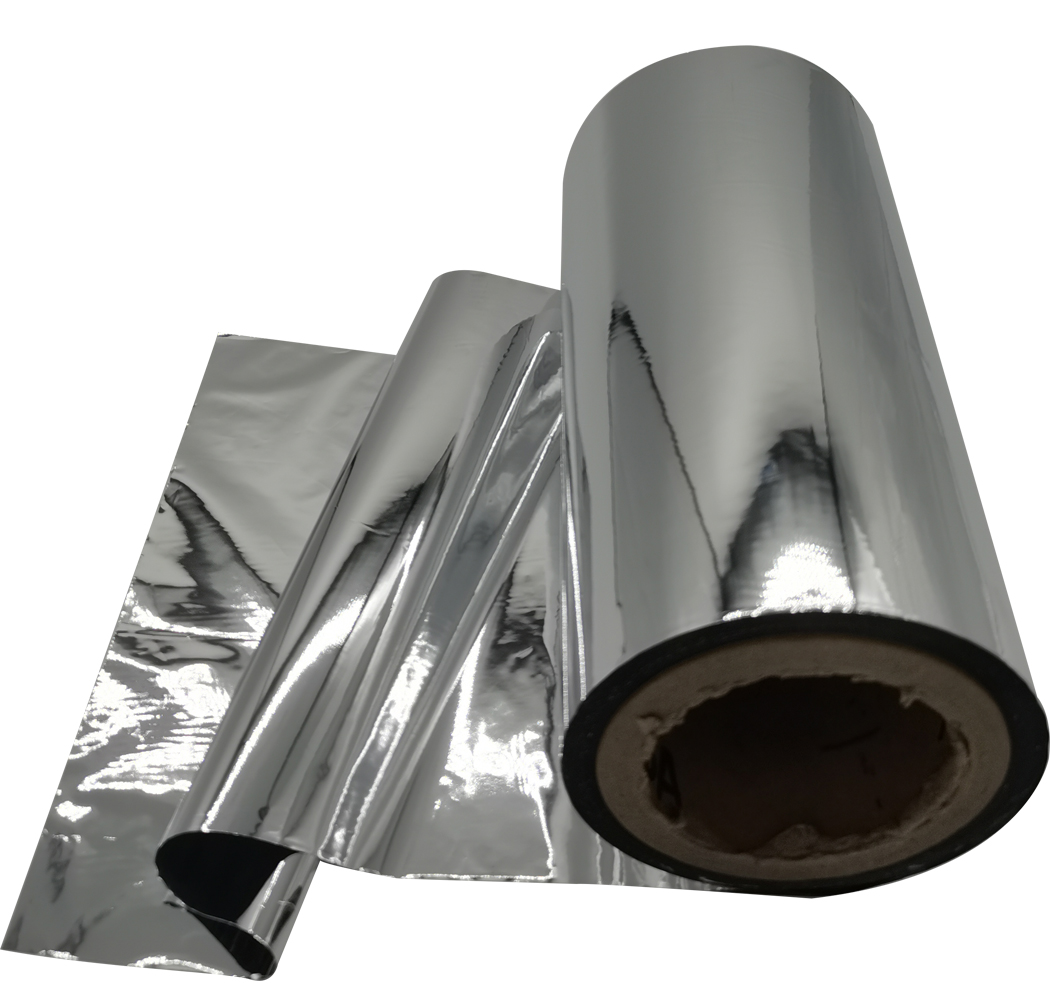
Cailong's film portfolio describes high barrier metallized paper as a paper substrate carrying deposited aluminum. The brochure offers a material reference for selection. A sachet may also contain coatings, adhesives and a sealing layer, and each can influence the failure path. Document the finished stack before comparing opening results across paper grades or pouch designs.
Describe the event from the user's grip
Observe how the user holds and opens the filled sachet. Mark the grip points and the side of the seam where the first change appears. A panel that tears at a fingertip can produce a different pattern from an opening that begins along the intended seam. Use a representative fill because it can affect the position and support of the pouch wall.
Capture an image before the tear develops too far, where practical. A fully opened sample may obscure the original starting point. Retain specimens showing the first visible split alongside the final opened pouch. Mark the direction of the pull and the orientation of the paper on each sample.
Identify the failure plane
Examine both separated faces. Note whether the bond opened, a coating separated, or fibers remained on both sides of the failure. Preserve the surfaces for further inspection. A fiber pattern can guide the investigation but should be confirmed if it determines the disposition of a shipment or the choice of a different laminate.
Separate complete wall tearing from fiber separation within the sheet. The two outcomes can feel similar to a user while involving different regions of the construction. Examine the seam and the material immediately beside it, especially where the location changes between samples. Record a mixed failure where more than one plane appears.
Compare pouch opening with controlled strips
Use a suitable agreed seam or laminate test to compare specimens. Record strip geometry, direction and test conditions. Where the method supplies a force trace, retain it with the observed failure mode. A similar peak force can represent two different openings if one sample tears into the panel and another separates along the seam.
Also examine a full sachet through its intended opening motion. A strip held in grips omits the way fingers support and bend the filled package. The laboratory comparison helps isolate variables, while the actual opening shows whether the selected structure meets the user's requirement. Keep the records linked by batch and conversion condition.
Examine the zone beside the seam
Check the seal edge, transition into the pouch body and any features that concentrate bending or pull. Record the geometry and compare it with satisfactory examples. A narrow change beside a seam can direct the first tear even when the overall appearance of the pouch looks uniform. Inspect that zone before changing the sealing material.
Collect samples from representative locations on the run, including the affected lane or side when a pattern is present. Keep a drawing that identifies where each strip was taken. A result from the middle of a straight seam may not represent a corner or intersection where the consumer starts opening.
Account for material condition during comparison
Use matched conditioning for candidate and control samples, and record the time and conditions before testing. If opening behavior differs after storage, compare specimens at the relevant condition. A laboratory measurement made immediately after converting can omit changes that occur before the pack reaches its intended user.
Keep the basis weight, paper direction and layer order in the comparison record. A proposed replacement may change how the whole sachet carries a pull. When possible, compare one defined structure change at a time. If the complete laminate changes, record the result as a comparison between constructions and retain the details needed to reproduce both.
Check seal function and product protection
A desirable opening still needs to meet the requirements for an unopened pack. Assess seal integrity, relevant barrier performance and handling with the chosen design. Test the intended finished pouch when the requirement depends on seam geometry or filled shape. Incoming paper references cannot describe how the seam performs after conversion.
If a new design reduces the tendency to tear the wall, inspect whether it changes the opening force or seal appearance elsewhere. Include unopened specimens in the review and record the condition of the pouch after relevant handling. Opening consistency and protective performance should each have a documented criterion.
Where the sachet has more than one seam, identify which seam the opening design actually uses. Keep a separate record for intersections where several layers meet. This prevents a result from a straight seam being applied to an opening that starts at a corner.
Specify an acceptable failure path
Add drawings or retained examples that show where opening should start, what separation is acceptable and when the sample should be judged. Give the paper and laminate suppliers the same examples. This helps purchasing distinguish a customer complaint about fiber tear from a general concern about seal strength.
Consider different formats separately if they use different seam layouts or grips. A small sachet and a wide pouch can transfer a pull differently even when built from the same material. Carry the approved material reference across formats only after the finished opening has been assessed.
Metallized paper can be evaluated for a packaging design that needs a paper based barrier layer. Select the finished structure using evidence from the actual seam, the user's opening motion and the protective tests required for the unopened pack. The purchase brief can then describe the behavior the converter must reproduce rather than relying on a single force value.
Comment