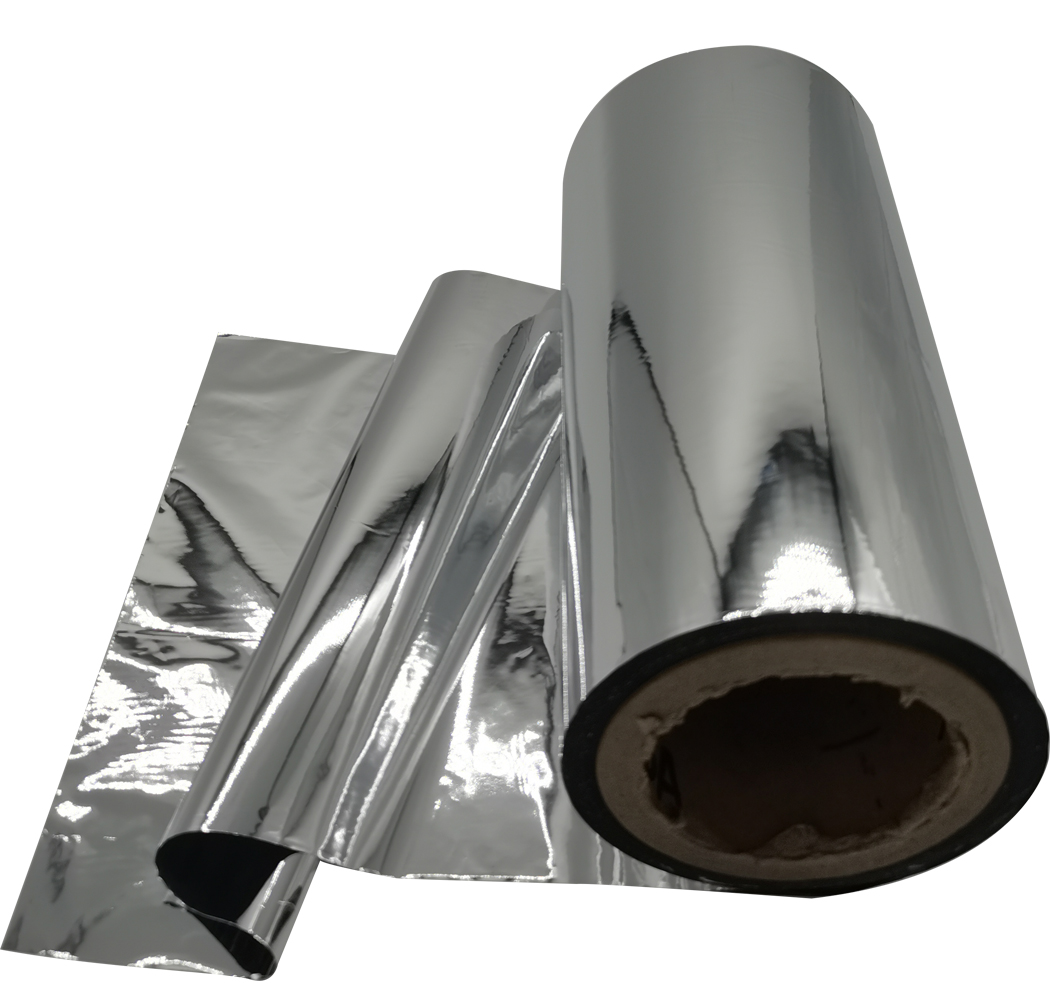
Copper PET Film and Storage Color Bands
Nov 09,2026 | FOSHAN CAILONG METALLIC PACKAGING MATERIAL CO.,LTD
Copper colored film can look consistent at incoming inspection and show dark bands when the first production roll is unwound after storage. copper metallized PET provides a deposited copper surface on a polyester carrier. If appearance is part of the purchase specification, the investigation should follow the affected face and roll position before anyone assigns a cause to the copper itself.
Cailong's film portfolio lists a copper-metallized PET option with a 23 µm reference thickness. Confirm the ordered construction and whether a protective layer or other treatment is part of that order. Bare copper, treated material and a finished laminate should be compared as separate constructions, with the inspected face identified in each record.
Map the band before cutting the roll
Photograph the visible roll face and mark the roll direction, edge and approximate length position. Sample only through the converter's approved handling procedure. Keep sections that show a transition from acceptable to discolored material. A sample cut from the middle of a dark band establishes its appearance but can lose the boundary that helps explain how the band developed.
Note whether the affected width changes as the roll unwinds. A pattern concentrated near an edge suggests examining edge exposure and packing geometry. A pattern repeated across the width can lead to questions about web contact or the original surface. Use the pattern to choose comparisons without treating its shape as proof of a mechanism.
Make color observations comparable
Use a defined light source, background, viewing angle and specimen orientation. Metallic surfaces can look different when tilted or lit from another direction. Compare the acceptable and affected areas side by side under the same setup. If photographs are used, hold exposure and white balance constant so that the image does not introduce a false color difference.
If the buyer uses an instrumental color measurement, choose geometry appropriate for the reflective surface and record it with each value. Agree the region to measure and retain the raw observations. Report localized bands separately from an average across the full web. A broad mean can conceal a narrow but commercially visible defect.
Distinguish a deposit from a surface change
Inspect the affected area under magnification and compare it with an untouched section. A residue, transferred material, scratch or change in the copper surface can create a darker appearance. Preserve at least one sample without wiping or cleaning it. A cleaning attempt can remove evidence or create another mark, which makes the original finding harder to interpret.
Where the distinction affects the disposition of a lot, ask the laboratory to choose a suitable surface analysis. Share the material stack and any known contact materials. Color alone cannot identify a chemical change or confirm oxidation. Provide the laboratory with matched acceptable and affected samples to make the result more useful.
Review what contacted the copper face
List the adjacent surface in the wound roll and any protective film, liner, packing material or interleaf that can contact it. Preserve representative samples of these materials. If the pattern corresponds to a packing seam or repeated contact, compare the geometry before changing the copper coating specification.
Review the handling sequence from receipt through staging and unwind. Record whether the roll remained wrapped and when it was first opened. Keep information about storage conditions where it is available. The same lot can acquire different histories if one roll is left open while another is returned to its original protection.
Build a matched storage comparison
Prepare sample groups from the same roll and retain a baseline at the agreed reference condition. Compare the packaging arrangement and exposure the buyer actually wants to investigate. Record elapsed time, relevant temperature and humidity, the surface facing the packing material and the time of first visible change.
Use exposure conditions agreed with the supplier for the application. A short laboratory screening can help distinguish candidate causes, while a storage claim requires evidence for the intended period and configuration. Avoid extrapolating from a severe screening condition to normal storage without a basis for that comparison.
Recheck the function specified by the buyer
For decorative use, the trial may focus on color uniformity after storage and conversion. If the copper web also has an electrical role, measure the property required by the design in a separate test. A change in surface appearance alone cannot establish the magnitude of a change in electrical performance. Keep the two acceptance decisions distinct.
Inspect any sample that will receive adhesive, print or another protective layer in its converted form. The original mark may become more apparent or less apparent in the final construction. Agree whether the customer will inspect a bare roll, a laminate or an assembled part. Include the inspection stage in the acceptance record.
If the buyer compares different roll positions, note the storage and exposure history of each one. An exposed outer wrap may differ from material protected by several overlying turns. Sample the relevant depths before concluding that the whole roll behaves the same way.
Create a reference for future shipments
Specify the copper film grade, gauge, coated face, packaging arrangement and appearance conditions in the purchase brief. Include photos of the mapped band and representative samples where possible. Give the supplier the affected roll position and the record of when the condition first appeared. These details support a targeted investigation of storage and conversion.
If a proposed change involves an interleaf or protective cover, compare how it affects appearance as well as the next operation. A protective material can introduce a different contact surface or change how the roll unwinds. Review that interaction under production conditions before approving the new combination.
Copper metallized PET can supply a distinctive metallic face for a converted product. A defensible approval links that face to a defined construction, handling route and observation setup. When a band appears again, those references let purchasing determine which lot, contact or exposure needs further review.
Comment