Why Water-Based Coated MDOPE Film Is Relevant to Packaging Buyers
Flexible packaging often combines several polymers to achieve stiffness, barrier protection, print quality, puncture resistance, and heat sealing. A typical laminate may perform well during use but become difficult to sort and recycle after disposal because its layers belong to different material families.
Mono-material packaging aims to reduce this complexity. Instead of combining unrelated polymers, designers build the package predominantly from one polymer family. For PE-based packaging, MDOPE Film can provide an oriented printing or structural layer while another PE layer supplies sealing and toughness.
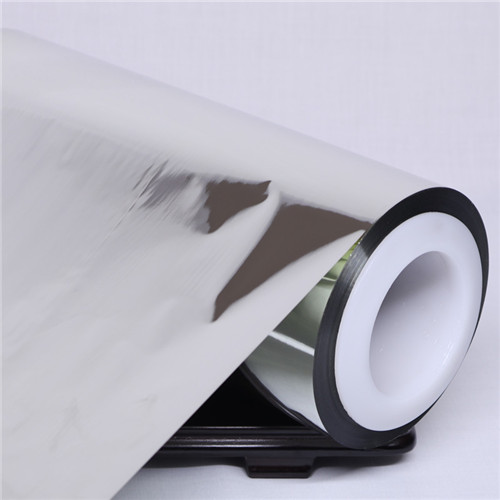
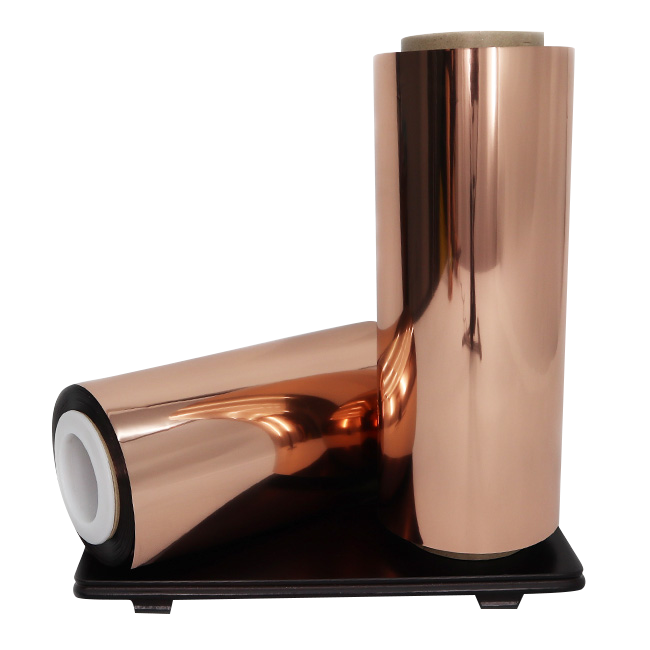
Cailong Water-Based Coated MDOPE Film adds a functional water-based coating to the MDOPE substrate. The resulting film is designed to provide barrier performance, stiffness, and printability for PE-focused packaging structures. Its main purchasing value is not one isolated property. It is the opportunity to combine packaging function with a simpler material design.
The finished package must still be validated. A coated MDOPE layer does not automatically make every pouch recyclable, and a general barrier description does not define the shelf life of every product.
What MDOPE Means in a Packaging Structure
MDOPE means machine-direction-oriented polyethylene. During manufacture, PE film is stretched primarily in the machine direction. Orientation changes the mechanical and dimensional behavior of the film and can provide greater stiffness and improved suitability for printing compared with a conventional soft PE film.
In a mono-PE laminate, MDOPE Film may act as the external printing or structural layer. A compatible PE sealant layer can provide heat sealing, toughness, and contact performance. This allows packaging developers to replace a conventional PET/PE or nylon/PE structure in selected applications, subject to validation.
The exact performance depends on resin selection, orientation, thickness, coating, surface treatment, and laminate design. Buyers should therefore request data for the specific product grade rather than relying on generic MDOPE information.
The Role of the Water-Based Coating
Polyethylene provides useful toughness and sealability, but uncoated PE may not deliver every barrier or surface property required for a demanding package. A functional coating can add performance without introducing a thick, unrelated polymer layer.
Cailong Water-Based Coated MDOPE Film uses a water-based coating system. Water-based technology can reduce reliance on solvent-heavy coating processes and is relevant to converters and brands seeking lower-emission processing approaches.
The coating is intended to support barrier properties and printability. Buyers should confirm which barrier functions are provided by the selected grade and under what test conditions they are measured. Oxygen and moisture requirements vary widely, and no single coating specification should be assumed to suit all products.
The coating must also remain stable during printing, lamination, slitting, pouch making, filling, and distribution. Package-level testing is therefore essential.
Defining the Required Barrier Performance
Before choosing Water-Based Coated MDOPE Film, buyers should define the product's sensitivity to oxygen, moisture, aroma loss, grease, and other environmental factors.
A dry snack may primarily need moisture protection to maintain crispness. A powdered product may need protection from humidity and odor transfer. Pet food, frozen food, or personal-care refills may place greater demands on puncture resistance, seals, and chemical compatibility.
Important purchasing questions include:
What oxygen transmission rate is required?
What water vapor transmission rate is acceptable?
Which temperature and humidity conditions apply?
What shelf life is expected?
Will the package be exposed to flexing or compression?
Does the product contain oils, fragrances, or aggressive ingredients?
Is light protection required?
Barrier data should include the measurement method and conditions. Results obtained at different temperatures or humidities should not be compared directly.
The finished laminate should be retested after printing, lamination, pouch making, and simulated distribution because coatings can be affected by mechanical stress.
Designing a Mono-PE Packaging Structure
The term mono-material usually does not mean that the package contains literally one chemical component. It means that the structure is designed so one polymer family represents the dominant material and the remaining components do not prevent the intended recycling route.
A Water-Based Coated MDOPE Film structure may include a printed coated MDOPE outer layer, adhesive, and PE sealant layer. Inks, coatings, adhesives, valves, zippers, and labels must all be considered.
Buyers should consult the design-for-recycling criteria used in the destination market. Requirements may address total PE content, coating weight, adhesive chemistry, ink coverage, density, metal components, and closures.
A package should not be marketed as recyclable solely because both major film layers are polyethylene. Local collection, sorting, and recycling infrastructure also determine whether the package is practically recyclable.
Printability and Surface Performance
Cailong Water-Based Coated MDOPE Film is designed to provide excellent printability, an important requirement when replacing PET as the printed outer web.
Converters should evaluate ink wetting, color density, adhesion, dot reproduction, registration, drying, and resistance to scratching. The surface treatment level and recommended printing side should be confirmed before production.
MDOPE can respond differently to heat and tension than PET. Excessive drying temperature may affect dimensions or web flatness, while incorrect tension can create stretching or registration problems.
A press trial should use the intended ink system and realistic production speed. Printed samples should be checked immediately and after aging. If the film will be laminated, the converter should assess ink-to-film and adhesive-to-ink bond strength after full cure.
Lamination and Adhesive Selection
Adhesive compatibility is a key part of mono-material structure development. The adhesive must bond effectively to the coated MDOPE surface and the PE sealant layer while supporting the package's mechanical and environmental requirements.
Buyers should test adhesive coating weight, drying, residual solvent where relevant, initial bond strength, cured bond strength, and resistance to the packaged product. Water-based, solvent-based, and solvent-free systems may behave differently.
The adhesive may also affect recyclability assessment. A technically strong laminate may not meet a target recycling guideline if the adhesive system is incompatible with that route.
Converters should allow the full recommended curing time before evaluating peel strength or running aggressive pouch-making tests. Premature testing can produce misleading results.
Heat Sealing and Filling-Line Performance
In most mono-PE structures, the internal PE layer provides the main sealing function. The sealant should be chosen according to the filling line, product, package format, and contamination conditions.
The package developer should establish a stable seal window covering temperature, pressure, dwell time, and line speed. Testing should include seal strength, hot tack where relevant, leakage, drop resistance, compression, and aging.
The complete laminate must run consistently on the filling line. Excessive curl, variable stiffness, poor tracking, or heat distortion can reduce efficiency even if the laboratory barrier data are satisfactory.
Production trials should monitor machine speed, registration, bag formation, seal consistency, reject rate, and finished-pack appearance.
Stiffness and Package Handling
One challenge in all-PE packaging is achieving the stiffness and handling normally supplied by a PET outer layer. MDO orientation improves stiffness and helps the film function as a printable structural web.
Cailong Water-Based Coated MDOPE Film is intended to provide the stiffness required for practical converting and package presentation. Buyers should still test the film in the final thickness and laminate configuration.
Stiffness affects feeding, pouch opening, shelf appearance, and consumer handling. Too little stiffness may create a soft package that is difficult to process. Too much stiffness can affect folding and sealing.
Testing should therefore focus on the completed package rather than a single film layer.
Comparing Coated MDOPE with PET/PE Laminates
PET/PE laminates are widely used because PET provides stiffness, dimensional stability, and print quality while PE supplies sealing and toughness. Their mixed-polymer construction, however, can complicate recycling.
A coated MDOPE/PE structure seeks to provide similar functional roles within the polyethylene family. This can support a more recycling-oriented design, but performance should not be assumed to be identical.
Buyers should compare barrier protection, print quality, stiffness, puncture resistance, sealing, line speed, package weight, cost, and shelf life. Conversion settings may also change.
The decision should be based on the total value of the finished package, not film price alone. A mono-PE structure that reduces material complexity but creates excessive scrap or inadequate shelf life is not a successful solution.
Quality-Control Priorities
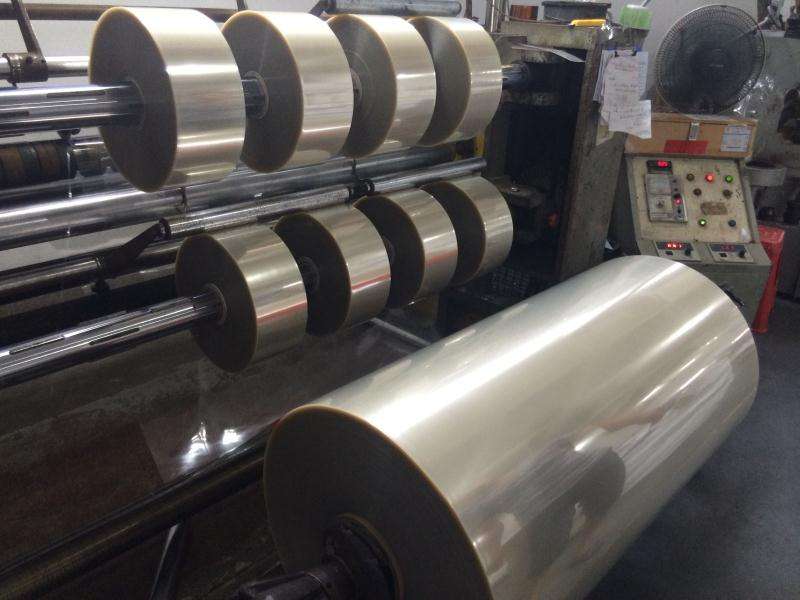
Consistent coating and roll quality are critical. Buyers should inspect thickness, width, coating uniformity, surface treatment, flatness, wrinkles, edges, and winding.
Coating defects may affect barrier performance or printing. Variation across the web can lead to inconsistent appearance and laminate strength. Roll damage can create machine stops and waste.
Incoming quality plans may include surface-energy checks, visual inspection, dimensional measurement, adhesion testing, and representative barrier testing. The level of inspection should match the risk of the application.
Batch traceability is valuable when qualifying a new structure because it allows performance results to be connected to specific production material.
Questions to Ask the Supplier
International buyers should ask:
Which barrier functions are provided by the selected coating?
Under what conditions are barrier values measured?
Which side is intended for printing or lamination?
What inks and adhesives have been evaluated?
Which thicknesses and widths are available?
What storage conditions and shelf life are recommended?
How is coating uniformity controlled?
Can trial rolls be supplied?
What package applications have been technically evaluated?
What documentation supports mono-PE design assessment?
Buyers should share the intended laminate, product, equipment, shelf-life target, and destination market. A supplier cannot recommend the most suitable structure without understanding these conditions.
Conclusion
Cailong Water-Based Coated MDOPE Film offers a functional platform for mono-material PE packaging development. Its coated surface, stiffness, printability, and barrier role can help packaging designers simplify structures that traditionally combine PET or nylon with PE.
The film must be evaluated as part of the complete package. Barrier targets, printing, adhesive compatibility, sealing, mechanical behavior, recycling guidelines, and local infrastructure all influence the result.
With disciplined structure design and production testing, Water-Based Coated MDOPE Film can help overseas buyers move toward more recyclable flexible packaging without ignoring the protection and efficiency required in real supply chains.