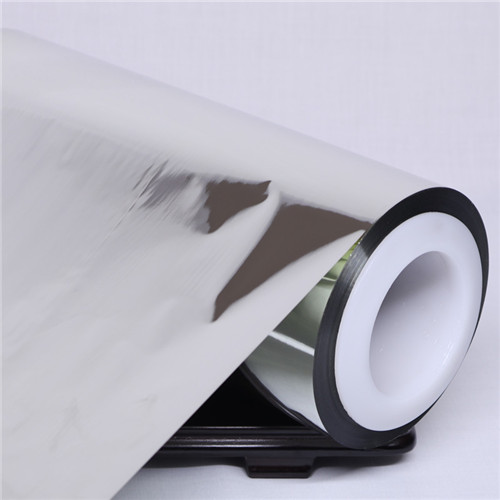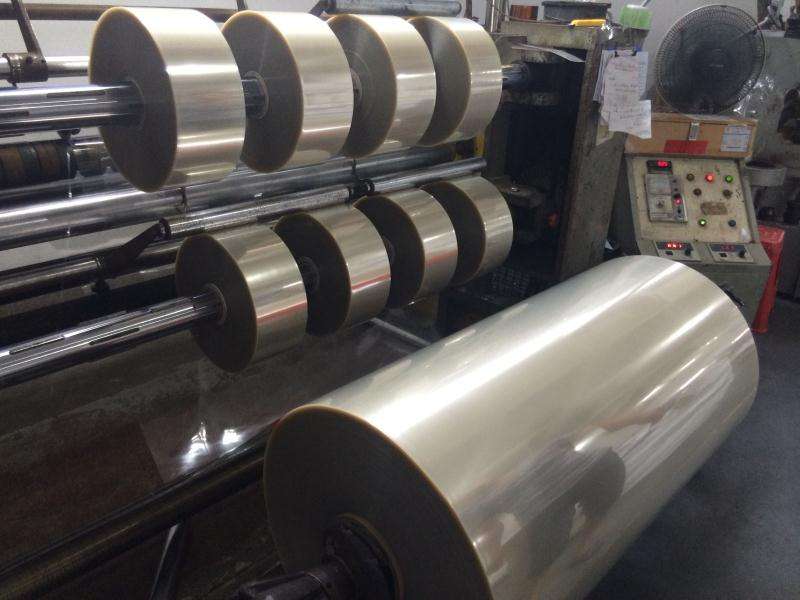
Water-Based Coated MDOPE Film
Aug 17,2026 | FOSHAN CAILONG METALLIC PACKAGING MATERIAL CO.,LTD
Water-Based Coated MDOPE Film Changes the Structure Question
Water-based coated MDOPE film is considered when packaging teams want a PE-focused structure with a functional coated web. The decision affects more than one layer.
Buyers often search for mono-PE packaging film while reducing mixed-material complexity. A coated polyethylene film still needs complete structure assessment.
The coating, inks, adhesive, sealant, closure, and label all influence the final package. No single layer can establish recyclability alone.
Cailong verifies this product as an MDOPE film with a water-based coating. Unverified barrier or mechanical values should not be assumed.
That boundary creates a practical evaluation method. The team can test required functions without building claims from missing data.
What Problem Should the Coated Film Solve?
The buyer should begin with the current package problem. The problem may involve printing, structure simplification, handling, or another defined function.
A general request for “sustainable film” gives the converter little direction. The project needs measurable package requirements.
The team should list every function delivered by the existing outer web. Those functions may include stiffness, graphics, protection, and machine handling.
Water-based coated MDOPE film should be judged against that function map. A change is useful only when the finished package remains acceptable.
Separate Targets from Confirmed Facts
The product identity and water-based coating are confirmed. Any target for oxygen, moisture, stiffness, or surface performance needs grade-specific evidence.
The specification should contain two columns. One column records confirmed supplier data, while the other records project targets.
This separation prevents accidental overclaiming. It also shows which questions must be answered during qualification.
Mono-PE Packaging Film Is a System
Mono-PE packaging film usually describes a structure centered on the polyethylene family. It does not mean every component is chemically identical.
Inks, coatings, adhesives, zippers, spouts, and labels remain part of the package. Each component can influence the intended recycling route.
The buyer should define the market and collection system behind any recycling claim. Local acceptance can differ across regions.
Recyclable PE packaging should therefore be treated as a design objective. It needs evidence for the complete package, not one substrate.
Map Every Layer before the Trial
The structure drawing should identify material, thickness, function, and supplier for every layer. Unknown components should remain clearly marked.
The drawing should also show printed and coated sides. This simple step prevents trial errors and incorrect bonding.
The team should record adhesive and ink systems. Those systems may affect compatibility, drying, odor, and package recovery.
Any closure should appear in the review. A pouch body and zipper can follow different material paths.
Printing Requires Defined Acceptance
Printing quality cannot be summarized as “good.” The converter needs visible and measurable acceptance criteria.
The trial should examine wetting, color density, dot reproduction, registration, drying, and surface resistance. Each criterion supports a different risk.
The correct coated or treated side must be confirmed. Printing the wrong side can create a false material failure.
A water-based coated MDOPE film trial should use the intended ink family. Results from another ink should remain supporting information only.
Record the Full Printing Window
Press speed, drying conditions, tension, and ink settings should be recorded. A passing sample without settings cannot support repeat production.
The run should include start-up and stable production. These stages may show different web and drying behavior.
Operators should retain samples across the web and roll length. One perfect section cannot represent the complete run.
Printed samples should be checked after handling and lamination. Initial appearance may not show later adhesion or surface damage.
Lamination Links Surface and Structure
The coated web must work with the chosen adhesive and sealant structure. No universal bond result follows from the MDOPE name.
The converter should confirm which side receives adhesive. Surface treatment and coating identity should match the trial plan.
Adhesive coating weight, cure time, temperature, and tension should be recorded. These variables can affect appearance and bond development.
The laminate should be tested after the intended cure period. Early testing may misrepresent the final bond.
Investigate Failures by Layer
A peel failure should be located within the structure. The break may occur at the coating, ink, adhesive, or sealant interface.
The team should preserve failed samples with clear labels. Photographs help, but physical samples support closer examination.
Failure analysis should compare accepted and rejected areas from the same trial. This comparison controls more variables.
Immediate blame slows useful investigation. The layer sequence and process history usually provide better evidence.
Sealing Determines Package Use
The sealant layer controls many sealing conditions, but the outer web still affects handling and heat flow. The complete laminate needs testing.
The trial should define temperature, pressure, dwell time, and cooling. The acceptable window matters more than one passing setting.
Seal tests should use representative contamination when the product creates that risk. Dry laboratory seals may overstate production reliability.
The package should also be checked after filling and transport stress. A seal can weaken through flexing or pressure.
Avoid Unsupported Heat Claims
No verified heat-resistance range is provided for this coated MDOPE grade. The project should request applicable data before setting conditions.
The team should not transfer PET processing settings to a PE-focused structure. Materials can respond differently under heat and tension.
Pilot work should begin conservatively and follow supplier guidance. Each approved setting must remain connected to the exact structure.
Web Handling Can Decide Production Stability
Oriented polyethylene webs may require different tension management from a familiar PET web. The converter should expect a new operating window.
The trial should observe tracking, wrinkles, curl, blocking, and winding. These observations help explain usable line speed.
Roll storage and conditioning should remain consistent. Temperature and winding history can influence trial behavior.
An MDOPE film supplier should identify roll orientation, coated side, and product code. Clear identification reduces avoidable setup mistakes.
Run beyond Start-Up Conditions
A very short trial may measure only start-up behavior. The press or laminator should reach steady conditions before final judgment.
The run should include normal acceleration and roll changes when possible. These moments often reveal handling limits.
Operators should record interventions. Frequent manual correction may signal a narrow process window.
Commercial evaluation should consider stable accepted output. Maximum speed without quality control has little procurement value.
Barrier Needs Product-Specific Evidence
Some coated films are selected for barrier functions. This particular project should use only verified data for the offered grade.
The buyer should identify oxygen, moisture, aroma, grease, or chemical concerns. Each concern needs a relevant test.
Flat-film barrier does not equal package barrier. Seals, folds, printing, and handling can change the final result.
Coated polyethylene film should be tested before and after conversion when barrier matters. This sequence can reveal process damage.
Match Testing to the Contents
A dry snack and a liquid refill create different package risks. The same test plan should not be applied automatically.
The team should define shelf life, climate, filling conditions, and distribution. These details shape acceptance criteria.
No product case should be claimed without supplied evidence. Application examples should remain illustrative during early evaluation.
Recyclable PE Packaging Needs Claim Control
The phrase recyclable PE packaging can support search visibility, but it also carries a technical obligation. The complete package needs assessment.
The buyer should request guidance for the intended market. Collection, sorting, and reprocessing conditions can differ.
A water-based coating may support a chosen design direction. It does not automatically establish acceptance within every recycling program.
Claims should name their scope. A design intention, laboratory assessment, and external certification are different forms of evidence.
Keep Marketing after Technical Review
Marketing language should follow confirmed structure data. It should not lead the engineering decision.
The technical team should approve product names, material descriptions, and disposal wording. Unsupported terms can create customer and regulatory risk.
Any certification should apply to the exact structure. A certificate for another film or package should not be reused.
Build the Qualification in Four Gates
The first gate confirms product identity, sides, dimensions, and available supplier data. Missing facts are recorded without assumption.
The second gate screens printing, lamination, and sealing. Each process uses written settings and acceptance limits.
The third gate uses pilot production and representative packages. The run should establish stable output and repeatable handling.
The fourth gate evaluates filled packages under relevant storage and distribution. Commercial approval follows complete evidence.
Define Stop Conditions
Testing should pause when the coated side is uncertain. It should also pause when process records are missing.
Repeated failures need root-cause work, not uncontrolled retesting. A new trial should change one defined variable where possible.
The project should stop if essential targets remain unsupported. Unknown performance cannot become an assumed pass.
Calculate Cost from Accepted Output
Film price alone cannot describe the change. Waste, speed, ink, adhesive, setup, and rejection affect total cost.
The buyer should compare cost per accepted package. This measure reflects production reality more clearly.
Any material reduction should be measured within the complete structure. The team should not claim savings before the design is stable.
Water-based coated MDOPE film may support a simpler PE-focused approach. The commercial value still depends on accepted package performance.
A Controlled Trial Creates a Defensible Decision
Water-based coated MDOPE film should be selected through structure evidence, not broad sustainability language. The project must connect claims with testing.
A strong decision covers printing, lamination, sealing, handling, package performance, and recovery assumptions. It also keeps unknowns visible.
This approach gives converters a repeatable path. It protects technical credibility while supporting a relevant mono-PE packaging search purpose.
Comment