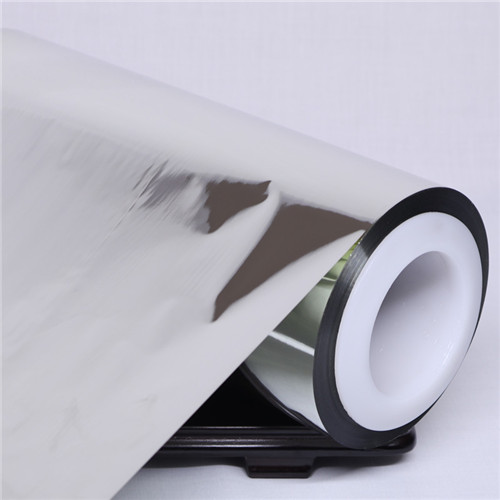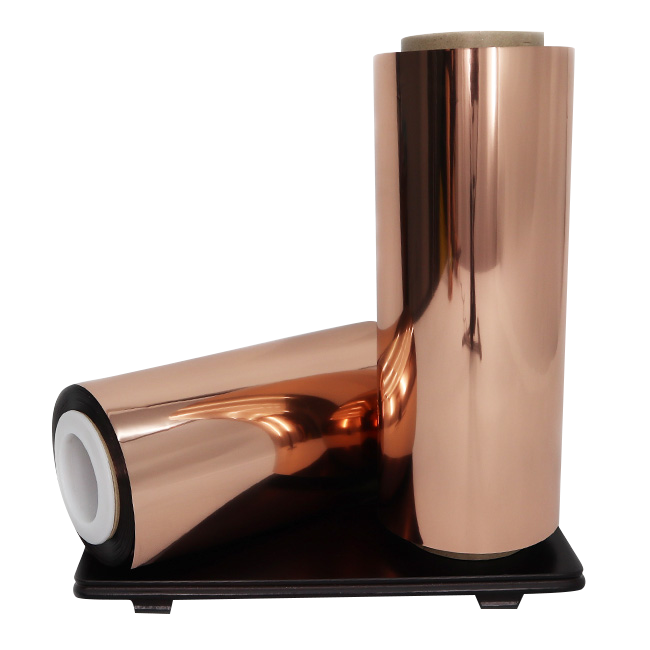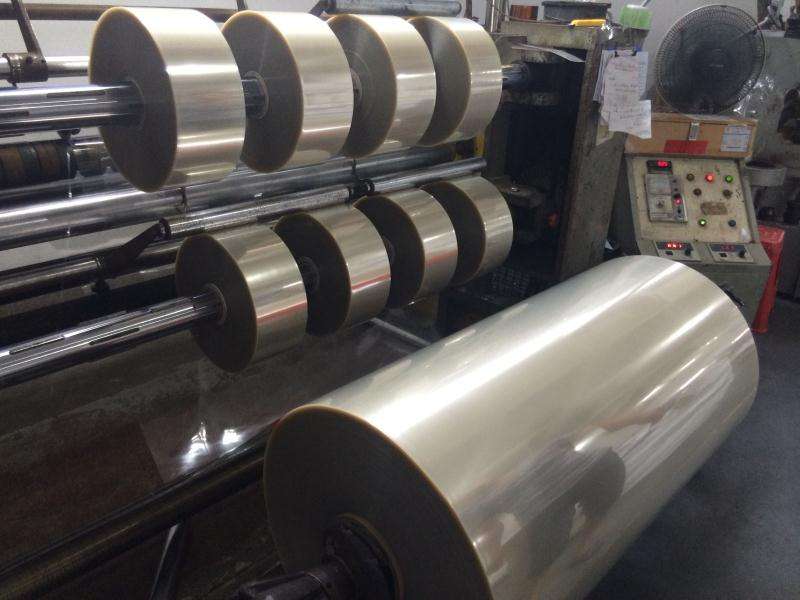
Ultra-High Barrier Metallized PET
Aug 17,2026 | FOSHAN CAILONG METALLIC PACKAGING MATERIAL CO.,LTD
Ultra-High Barrier Metallized PET Film Starts with Product Risk
Ultra-high barrier metallized PET film enters a project when ordinary packaging protection may be insufficient. Sensitive products can lose quality through oxygen or moisture exposure.
Buyers also search for foil replacement packaging film when aluminum foil creates weight, handling, or processing concerns. The replacement decision should begin with product risk.
Cailong verifies oxygen transmission below 0.1 and water-vapor transmission below 0.3 for this film. These figures support early screening for demanding packages.
The verified data does not approve every finished structure. Lamination, printing, sealing, storage, and distribution can change package performance.
A strong evaluation connects barrier data with the product’s real failure mode. This link prevents over-specification and weak qualification.
Define What the Package Must Prevent
The team should name the expected damage before selecting a high barrier PET film. Oxygen may affect aroma, color, flavor, or active ingredients.
Moisture can soften dry products or change powders. It may also affect electronic parts and moisture-sensitive components.
Light protection may matter in a metallized structure. However, the required light barrier should be defined through the packaged product.
Each risk needs an acceptance limit and expected storage period. General requests for “maximum barrier” do not create a useful specification.
The package designer should also consider opening frequency and pack size. A strong unopened package cannot control exposure after repeated opening.
Convert Shelf-Life Targets into Barrier Requirements
Shelf-life packaging film should be chosen through a product-specific target. The target should state storage time, climate, distribution, and acceptable quality change.
Laboratory transmission values provide an important baseline. They do not predict shelf life without product sensitivity and package geometry.
The buyer should record the test method behind every value. Temperature and humidity conditions can strongly influence reported barrier performance.
Cailong’s verified values are useful selection points. Buyers still need the applicable grade data and its stated test conditions.
Separate Film Data from Package Data
Film testing measures a flat material under controlled conditions. A finished pouch includes seals, folds, printed areas, adhesive, and converted edges.
Those details can create weak paths. One damaged fold may matter more than a strong center-film result.
Package testing should follow film screening. The sequence reduces wasted trials while preserving a realistic final decision.
The team should test unused packages and aged packages. Relevant conditioning should reflect storage and transport conditions.
Results should remain linked to the exact structure. Data from another adhesive or sealant should not be transferred without evidence.
Foil Replacement Requires a Function Map
Foil replacement packaging film should not be approved through barrier values alone. Aluminum foil can provide several functions within one structure.
The project team should list those functions separately. The list may include barrier, stiffness, opacity, machinability, appearance, and package shape.
Ultra-high barrier metallized PET film may address protection with a thinner deposited metal layer. It still needs evaluation within the intended laminate.
The buyer should identify which foil functions remain essential. Unneeded functions can add cost or complexity without improving product protection.
Compare the Complete Structures
A fair comparison uses finished structures designed for the same product. Comparing one film layer with a complete foil laminate creates misleading conclusions.
The team should compare total thickness, number of layers, sealant choice, adhesive use, and converting steps. Accepted output matters more than isolated film price.
Package weight can be recorded without assuming a sustainability result. Recycling claims need separate evidence for the complete structure and local route.
The replacement trial should include line speed, waste, wrinkles, and web handling. These observations show whether the new structure runs consistently.
Commercial approval should follow stable production. A short laboratory sample cannot confirm factory-scale output.
Lamination Can Protect or Damage Barrier
Metallized layers require careful handling during conversion. Excessive tension, sharp contact, abrasion, or creasing can damage the functional surface.
The converter should map every contact point before a trial. Rollers, guides, winding pressure, and web alignment deserve attention.
Adhesive selection should match the film and final application. No universal adhesive result can be assumed from the substrate name.
The trial should record coating weight, cure conditions, tension, and speed. These records support useful root-cause analysis.
Inspect the Metal Layer after Conversion
Visual inspection can identify scratches, pinholes, or uneven appearance. It cannot replace barrier testing when product protection is critical.
The team should retain samples before lamination and after each major step. This sequence helps locate any performance loss.
Folded and sealed areas should receive separate attention. High stress often appears near corners, gussets, and package edges.
Barrier tests should use representative converted samples. Test pieces must not exclude the areas most likely to fail.
A metallized PET film supplier should support clear product identification. Samples, trial rolls, and final orders must remain traceable.
Printing and Sealing Belong in the Same Trial
The outer PET web may carry graphics, while another layer provides sealing. Both functions can influence the finished package decision.
Printing trials should evaluate ink wetting, adhesion, color, registration, and drying. The correct printing side must be confirmed before setup.
Sealing tests should use the final sealant layer. The metallized PET layer does not define every sealing condition.
The package should be checked after filling. Product dust, oil, or powder can affect seal quality under real production conditions.
Test Distribution Stress
Transport can expose packages to vibration, compression, drops, and repeated flexing. These stresses may reduce barrier without obvious surface damage.
A shelf-life packaging film trial should include relevant distribution simulation. The test should match the pack format and expected route.
Barrier measurement after stress can reveal hidden weakness. Visual review alone may miss microdamage.
The buyer should define failure before testing. Unplanned pass-or-fail decisions weaken the result.
Use Verified Data without Overclaiming
The verified oxygen value is below 0.1. The verified water-vapor value is below 0.3.
These results make ultra-high barrier metallized PET film relevant for protective packaging. They do not establish shelf life for every product.
Applications already associated with this material include pet food, medical packaging, and other high-barrier packages. Each application needs its own approval.
Medical packaging requires specific regulatory and performance evidence. The material name alone does not establish compliance.
Food packaging also needs product-contact documentation for the offered grade. Buyers should request evidence applicable to the intended market.
Keep Unknowns Visible
No unverified thickness, certification, or adhesion value should enter the specification. Missing information should remain an open qualification item.
The buyer should request grade-specific documentation before commercial approval. Data should identify methods, units, and applicable conditions.
An unsupported claim creates risk for both supplier and converter. Clear gaps are easier to resolve than assumed facts.
Build a Practical Qualification Sequence
A useful qualification starts with a written product brief. It should describe contents, shelf-life target, package format, storage, and distribution.
The second stage screens film barrier and basic converting compatibility. The third stage tests the complete laminate and package.
Pilot production should follow laboratory approval. It should run long enough to reach stable speed and winding conditions.
The final stage uses filled packages. Relevant aging and distribution tests should reflect the intended commercial route.
Establish Acceptance before Testing
Barrier, seal, appearance, dimensions, and converting behavior need written limits. The team should set those limits before seeing results.
Each sample should carry roll, position, structure, process, and date information. Traceability turns a failure into useful evidence.
The report should separate measured facts from observations. It should also separate projections from confirmed performance.
Evaluate Cost per Accepted Package
Material price provides only one part of the commercial answer. Waste, speed, adhesive, setup, inspection, and rejection also affect cost.
Foil replacement may change more than one layer. The comparison should include every changed material and processing step.
The buyer should calculate cost per accepted package. This measure connects technical performance with usable factory output.
No saving should be claimed before production evidence exists. A promising trial remains a projection until stable production confirms it.
Ask the Supplier Decision-Ready Questions
The buyer should request the exact grade, verified barrier data, and stated test conditions. The request should also confirm available dimensions.
The supplier should identify the functional side and recommended handling. Any printing or lamination guidance should apply to the offered grade.
Sample quantity should match the trial purpose. A small sample may screen compatibility, but it cannot prove long-run stability.
A High-Barrier Decision Needs System Evidence
Ultra-high barrier metallized PET film offers verified barrier values relevant to demanding packaging. Its strongest value appears inside a qualified package system.
Buyers should connect film data with product sensitivity, laminate design, conversion, sealing, transport, and shelf-life testing. This approach reduces avoidable risk.
A disciplined foil replacement project does not start with price alone. It starts with function, evidence, and accepted package performance.
Comment