Release PET Film: Peel Force at Line Speed
Oct 20,2026 | FOSHAN CAILONG METALLIC PACKAGING MATERIAL CO.,LTD
Release PET Film should be selected using the release conditions of the actual process when labels separate cleanly by hand but dispense inconsistently on the line. A slow peel check gives useful information about that check. It does not establish the behavior of a different adhesive, peel geometry or production speed.
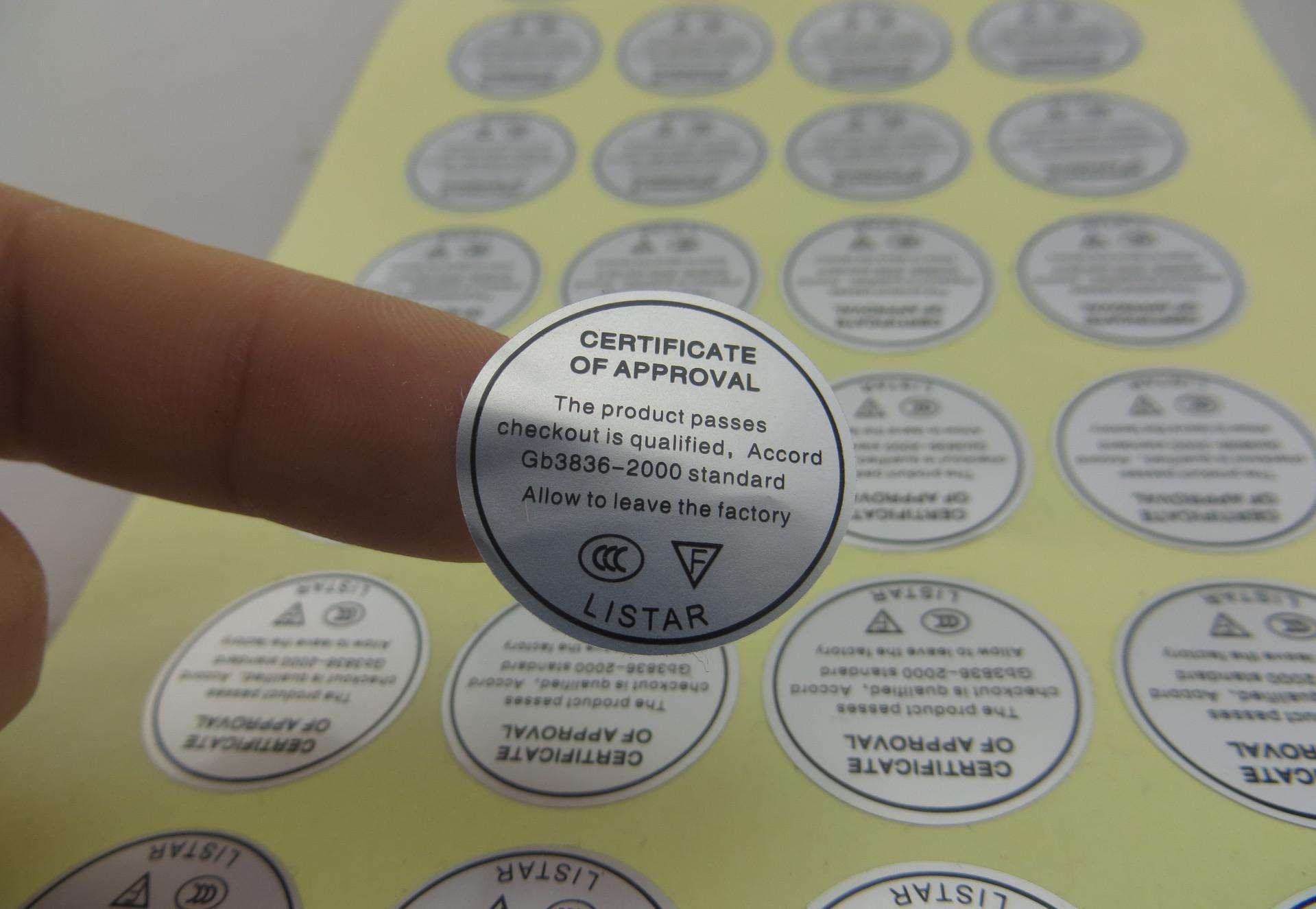
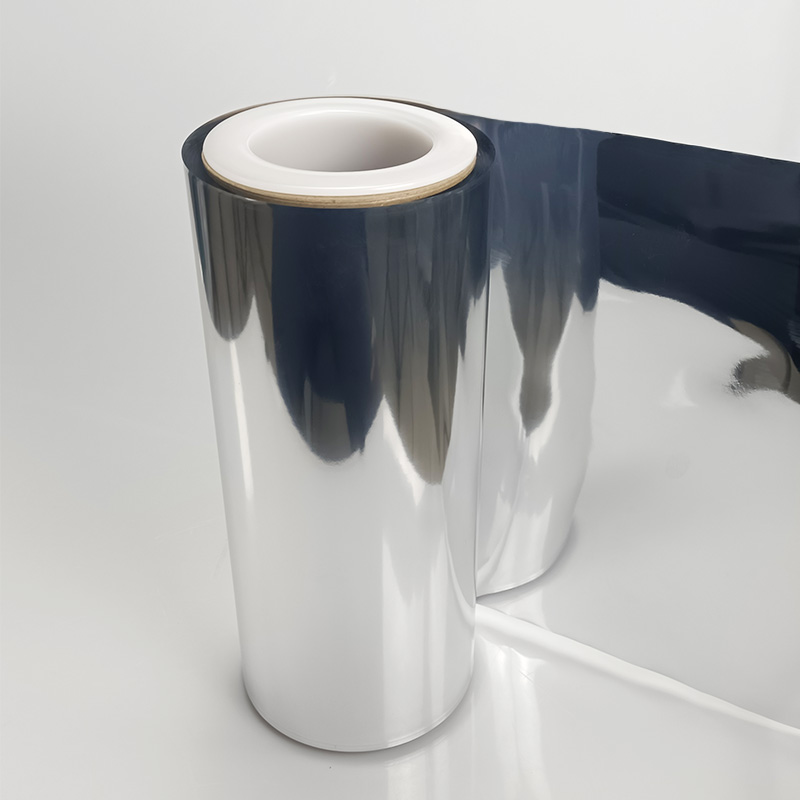
Cailong's film portfolio lists PET-LX as a siliconized PET release film with customizable release strength. Its applications include labels, stickers and adhesive protection. The confirmed role is an anti-adhesion carrier, rather than the permanent bond to the final product. Choosing the liner therefore requires attention to both temporary release and the adhesive's later usable performance.
Describe the dispensing symptom precisely
Unstable release may appear as a label following the liner around the dispensing edge, a label leaving too early, or irregular motion as separation occurs. Adhesive transfer is another possible symptom. Record which event is observed and where it happens. These conditions should not all be described simply as excessive peel force.
The relevant geometry includes the dispensing edge, the unsupported span and the way the label is supported during transfer. A small change there can alter the observed behavior without changing the liner coating. Ask the machine team to document the actual path before requesting a different release level from the film supplier.
Include the label's dimensions and any surrounding waste-removal operation in that record. A narrow converted feature can behave differently from a broad adhesive strip used for a laboratory peel. Where the problem appears only after die cutting, compare the supported construction before and after that stage to identify whether conversion has changed the separation route.
Read the published release method with its tape
The PET-LX page reports release testing with TESA 7475 tape at 30 cm/min and a 180-degree peel arrangement. Those conditions are part of the reference. They should remain attached to the result whenever it is discussed. A number obtained with that tape cannot automatically represent the customer's pressure-sensitive adhesive at a different speed.
The page also lists a residual-contact assessment using NITTO 31B tape. This is a separate reference from the release measurement. It points to the need to consider adhesive condition after liner contact, rather than evaluate easy peeling alone. Request the current specification and applicable method for the supplied release grade before setting incoming acceptance limits.
Do not treat a broad family release range as the guaranteed operating band of one offered roll. The product supports customization, so the order should identify the selected construction and release requirement. The supplier and converter need a shared test basis to determine whether a delivered lot matches that request.
Build the comparison with the real adhesive
Prepare a laminate using the intended adhesive and facestock, with the production coating or transfer route. Keep the liner side and adhesive contact history identified. The resulting specimen is more relevant to the dispensing question than reference tape applied to an unconverted liner, although the reference method may remain useful for supplier quality control.
Agree on specimen preparation and the time between lamination and testing. If different candidates have different contact histories, a release comparison can become difficult to interpret. Retain specimens from the same preparation batch for the dynamic trial and any later adhesive-performance check.
Check the release behavior after the storage conditions relevant to the converted roll. Freshly laminated specimens may not represent material that waits before dispensing. This does not imply that PET-LX has a particular aging failure. It identifies a process state that needs evidence when the customer is making a liner replacement decision.
Compare speed effects without changing everything else
Use an agreed laboratory or machine procedure to compare the relevant release conditions. Keep peel geometry, specimen width and preparation consistent while investigating speed. If these variables change together, the team may see a difference without being able to explain whether the liner's release behavior or the setup caused it.
During a machine trial, include the production conditions associated with the complaint. Observe startup, steady operation and relevant transitions. A liner that works in a short slow demonstration may not answer a problem at the normal operating condition. Record the separation behavior alongside the machine settings so that a successful adjustment can be repeated.
Give the PET carrier a separate mechanical review
The PET carrier supports the adhesive construction through coating, storage, cutting and dispensing. Its gauge and stiffness contribute to how it behaves at the peel edge. A release-level change does not resolve every issue involving curl, poor support or a damaged liner. Inspect those features independently.
The website lists a broad PET-LX thickness range, but that does not identify the correct carrier for every label format. Compare a proposed gauge with the current machine route and release geometry. If a thinner carrier is being considered to reduce material, include usable dispensing performance in the decision instead of choosing it only from the nominal film dimensions.
Check the adhesive after release
Easy separation is useful only if the adhesive remains suitable for its permanent bonding task. Inspect whether the release route leaves visible transfer or changes the intended adhesive coverage. Then evaluate the released label or adhesive part on its actual receiving surface using the customer's relevant acceptance method.
A reference-tape residual-contact result cannot certify every customer adhesive. Use it as method-specific supplier information and obtain evidence for the actual construction. If a candidate improves dispensing but changes final attachment, investigate that tradeoff before approving the liner. The project needs a workable temporary interface and a usable permanent bond.
Turn the complaint into a release specification
For a release PET sample request, provide the adhesive identity, facestock, liner gauge and dispensing arrangement. Include operating speed, storage history and the specific separation problem. Send retained converted material where possible. These inputs help define a release grade and test procedure that address the real line, rather than optimize a hand-peel impression that production cannot reproduce.
Comment