PLA AlOx Film for Transparent Barrier Packaging: A Practical Route from Sustainability Goal to Package Qualification
Aug 13,2026 | FOSHAN CAILONG METALLIC PACKAGING MATERIAL CO.,LTD
PLA AlOx Film Starts with a Packaging Conflict
PLA AlOx film addresses a common conflict in sustainable flexible packaging. Buyers want clear presentation, but sensitive products also need protection.
An untreated clear film may not meet the required oxygen or moisture control. An opaque barrier can protect products, but it removes visibility.
Cailong PLA AlOx Film combines a PLA substrate with a transparent aluminum oxide layer. The AlOx layer adds barrier function without creating a metal appearance.
That combination supports several active search needs. Buyers look for high barrier PLA film, transparent barrier packaging, and biodegradable barrier film.
Those phrases describe a direction, not an automatic result. Every project still needs a defined product, structure, process, and disposal route.
The useful question is not whether the material sounds sustainable. The useful question is whether the finished pack meets its measured requirements.
Build the PLA AlOx Film Project Around the Product
Identify the Actual Cause of Quality Loss
Shelf-life loss does not have one universal cause. Oxygen can change flavor, color, or active ingredients.
Moisture can soften a dry product or damage a moisture-sensitive formulation. Aroma can leave the package or enter from the environment.
Light can create another risk. A transparent barrier package cannot provide the same light shielding as an opaque metal layer.
The product team should identify the dominant failure mode before selecting the material. This step prevents vague barrier targets.
The team should document product sensitivity, target shelf life, storage conditions, and distribution time. Filling conditions also belong in that record.
Any comparison must use the same test conditions. Temperature, humidity, test method, and sample condition can change a barrier result.
No verified Cailong barrier value has been established in this article. Buyers should request grade-specific data before making a structure decision.
Decide Where Transparency Creates Business Value
Transparent barrier packaging can do more than improve shelf appearance. It can help users inspect color, fill level, and visible condition.
Clear areas can also support production inspection. Operators may detect filling mistakes or obvious product changes without opening the pack.
Visibility still creates a tradeoff. Light-sensitive contents may need printed shielding, a secondary layer, or an opaque structure.
The package brief should define which areas must remain clear. It should also define acceptable haze, color change, and visible defects.
The design team can then test the complete printed pack. A clear film sample alone cannot represent printed and laminated appearance.
Translate Sustainability Language into Testable Requirements
PLA provides the base for this environmental direction. The final package may include several other materials.
Inks, adhesives, sealants, labels, zippers, and coatings can change end-of-life behavior. A claim about one layer cannot cover them automatically.
The words bio-based, biodegradable, and compostable describe different ideas. Buyers should not use these words as interchangeable terms.
A bio-based material describes its feedstock. Biodegradation describes material breakdown under defined conditions and over a defined period.
Composting claims usually require specified treatment conditions. The accepted wording also depends on the destination market and package construction.
Cailong PLA AlOx Film can support a biodegradable packaging project. The buyer must still verify the entire pack and intended disposal route.
This review should happen before package artwork is approved. Late changes to environmental wording can delay launches and create avoidable rework.
Create a Claim File for Every Market
A simple claim file can connect marketing language with technical evidence. The file should name the complete package and target market.
It should list every material component and its function. It should also record the intended collection or treatment route.
Buyers should keep supplier documents, test reports, and approved wording together. Unknown points should remain clearly marked as unverified.
This process protects both technical and commercial teams. It prevents a broad claim from moving ahead without supporting package evidence.
Design the High Barrier PLA Film Structure
This coated PLA material rarely works alone in a finished flexible package. The complete structure must provide printing, sealing, strength, and barrier retention.
The aluminum oxide surface can be sensitive to mechanical damage. Folding, tight rollers, rough contact, and excessive tension may affect barrier continuity.
The converter should identify the coated side before printing or lamination. Roll labels and work instructions should keep that orientation traceable.
Companion layers must suit the intended package. Their contribution should be assessed without assuming every layer shares the same end-of-life route.
Adhesive selection deserves equal attention. Weak bonding can cause delamination, while unsuitable chemistry can affect appearance or package integrity.
The package designer should also consider seal placement. A strong barrier area cannot compensate for a weak or contaminated seal.
Use a Performance-to-Process Chain
The qualification chain should begin with incoming film. Inspect surface condition, roll quality, visible defects, and coated-side identification.
The next stage should test printing or lamination. The trial should use the planned inks, adhesives, line speed, and drying conditions.
The team should then make the actual package format. Pouch folds, seals, corners, and openings can create stresses absent from flat samples.
Filled packages should enter realistic storage and handling tests. Product contact can reveal problems that empty package tests cannot show.
Final approval should compare shelf-life performance with the original requirement. This chain links the material choice to the commercial promise.
Control Printing, Lamination, and Web Handling
The material requires settings that respect both the substrate and barrier layer. Existing PET or PP settings may not transfer directly.
Converters should establish a stable web-tension range. Excessive tension can distort the film or increase stress on the coated surface.
Drying conditions also matter. Uncontrolled heat can affect flatness, registration, or final appearance.
Printing trials should check wetting, adhesion, color, and registration. Transparent sections and heavily printed sections may behave differently.
Lamination trials should evaluate initial bond and fully cured bond. The team should record the failure interface during peel testing.
A single bond value cannot explain every failure. Separation may occur at the film, coating, ink, adhesive, or companion layer.
Barrier measurements should be repeated after converting when the project requires firm shelf-life evidence. Flat-film results cannot prove finished-pack performance.
Protect the AlOx Coated PLA Film During Conversion
Operators should minimize sharp folds and rough roller contact. Clean surfaces reduce scratches and trapped particles.
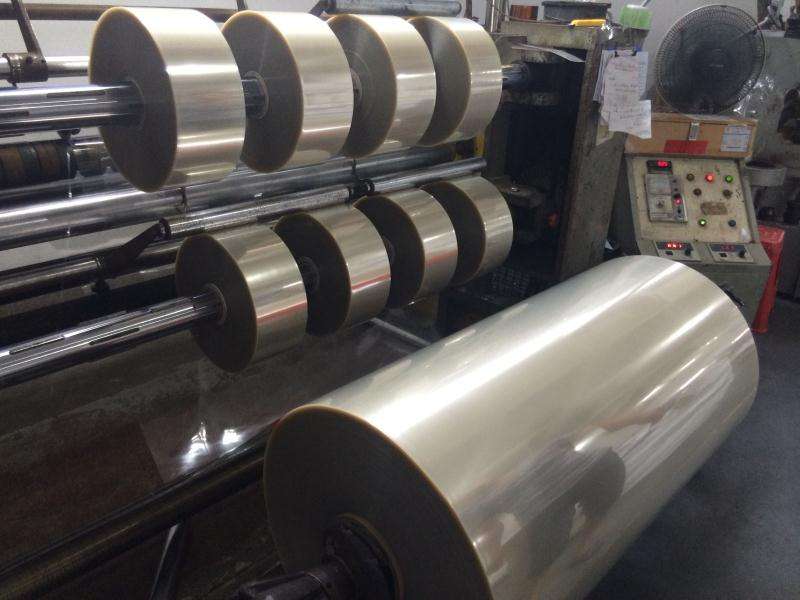
Winding pressure should preserve roll shape without adding unnecessary stress. Slitting should produce clean edges and stable tracking.
The converter should inspect the trial roll across its full width. A short center sample may miss edge or cross-web variation.
Package samples should be examined under normal and strong light. This check can reveal coating marks, scratches, haze, and adhesive defects.
Qualify Seals as Part of Barrier Performance
The seal is part of every barrier system. Gas or moisture can enter through a weak seal despite strong film performance.
Seal development should use the final structure and filling conditions. Temperature, pressure, dwell time, and contamination can change the result.
The team should measure seal strength and check leakage. Tests should include the package geometry planned for production.
Corners and opening features need attention because they concentrate stress. Zippers or valves also add materials and possible leakage paths.
If PLA AlOx film is not the sealing layer, the companion sealant needs separate qualification. Its environmental impact must also enter claim review.
Match Transparent Barrier Packaging to Suitable Uses
PLA AlOx film can be evaluated for products needing clear presentation and improved oxygen or moisture control. Dry foods are one possible project area.
Tea, confectionery, seasonings, and specialty ingredients may also require barrier review. Actual suitability depends on the product and target shelf life.
Healthcare or pharmaceutical projects require stricter application-specific evidence. Buyers must verify cleanliness, compatibility, integrity, and relevant market requirements.
Products containing strong oils or aromas need direct compatibility tests. Generic film descriptions cannot prove resistance to every packed formulation.
High-temperature filling also needs careful review. This article does not establish a verified hot-fill or retort rating for the material.
That boundary is important. A transparent high barrier film should not be placed into a severe process without grade-specific confirmation.
Evaluate a PLA Film Supplier with a Project Dossier
A useful supplier discussion begins with a complete application dossier. The buyer should describe the product, structure, process, and required claim.
The dossier should state target shelf life, barrier priorities, and storage conditions. It should also identify printing, adhesive, and sealing systems.
Buyers can ask the PLA film supplier for grade-specific barrier data and test conditions. They should also request coated-side and handling guidance.
Available thicknesses, widths, roll formats, and storage instructions should be confirmed. This article does not assume unverified supply ranges.
Trial material should represent planned production. Buyers should evaluate more than one roll before judging batch consistency.
The acceptance plan should cover surface defects, roll formation, width, thickness, print quality, bond strength, seal integrity, and retained barrier.
Know the Limits Before Commercial Approval
PLA AlOx film does not remove every packaging tradeoff. Transparency can conflict with light protection.
The coating can face damage during severe flexing or handling. The complete package can also weaken an environmental claim.
Material price alone cannot determine value. Buyers should consider converting yield, package weight, waste, shelf-life performance, and claim risk.
A pilot that fails early can save substantial launch costs. Clear acceptance criteria make that failure useful rather than confusing.
A Credible Decision for PLA AlOx Film
Cailong PLA AlOx Film combines a PLA substrate with a transparent aluminum oxide barrier layer. This design supports clear, bio-based packaging development.
Its value depends on system performance. Buyers should connect product sensitivity, structure design, converting control, seal integrity, and disposal claims.
High barrier PLA film should be tested after printing, lamination, package making, filling, and realistic storage. Each stage can change the result.
When evidence supports the full package, transparent barrier packaging can balance visibility, protection, and a clearer environmental direction.
Comment