PET Foil Laminate for Odor Powder Refills
Nov 26,2026 | FOSHAN CAILONG METALLIC PACKAGING MATERIAL CO.,LTD
A refill for a pet odor-control powder may be sold in a pouch that goes from a warehouse carton to a utility cupboard. The pack needs a readable light-colored face and a structure capable of protecting the powder against the storage conditions the brand specifies. PET foil LLDPE laminate gives buyers a preassembled three-layer option to compare with the current opaque pouch.
Find the supplier through Cailong's film portfolio and describe the powder, filling process, pack dimensions, and intended use conditions. Ask for a sample that includes the offered print face and sealing face. A foil laminate can be a practical starting point when the buyer has a defined barrier target, but the result depends on how the folded and sealed bag is made.
Identify why the present refill is changing
Begin with the customer experience. A sachet that empties directly into a dispensing container has different handling requirements from a pouch stored partly full after opening. Bring both the existing refill and the intended receiving container. Watch the opening and transfer so the team can identify which sections of the package will carry load and which must stay easy to grip.
Set the storage requirement separately. Some powder blends lose flow or show visible clumps after moisture exposure. Use the product owner's observations to decide which outcomes to assess and for how long. If the current pack is being replaced for artwork or converting reasons, keep a reference and document the product condition it already supports before selecting another structure.
Check the three layers in the quoted offer
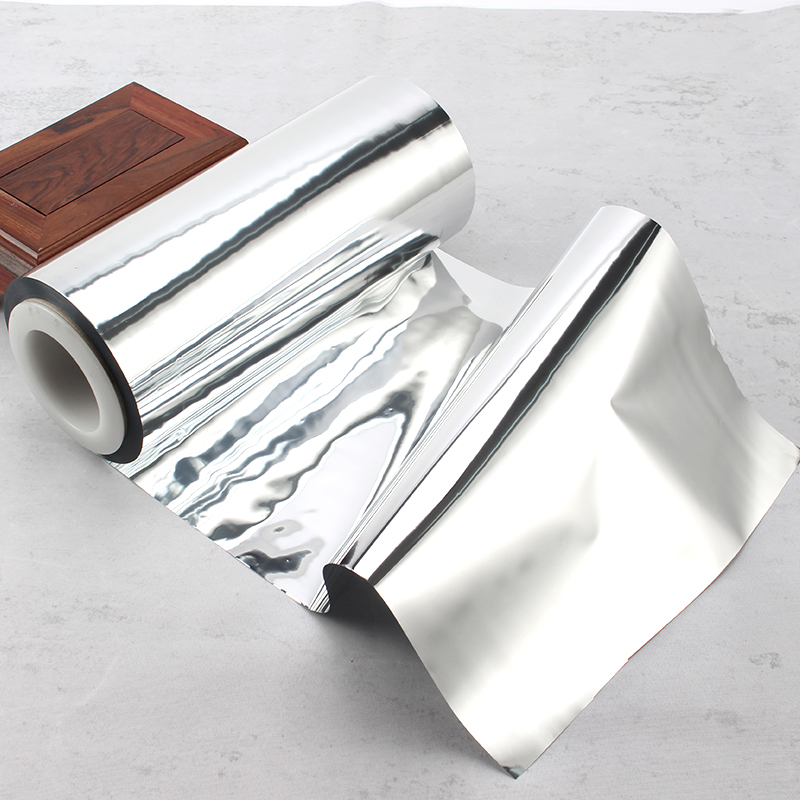
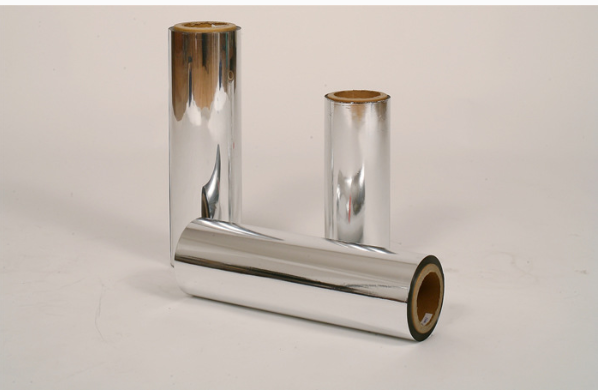
Cailong lists a white PET, aluminum foil, and LLDPE laminate. The white polyester can serve as a visible outer web, the foil is a barrier layer, and the inner polyethylene is the surface to review for sealing in the proposed bag. Confirm these roles and the actual layer order in the quote. Any print treatment, adhesive, and other requirements should be confirmed with the converter.
Ask whether all candidate structures use foil or whether an alternative metallized web is also being considered. Request documentation tied to the specific sample rather than comparing broad descriptions. Match the offered structure to the intended gauge, supply width, and converting route. Keep the current pack as a control even if its artwork or sealing web will change later.
Use the actual powder and dispensing route
Fill the samples from the same lot and keep portions comparable. Observe whether material collects near the top seal during ordinary dosing. Pay attention to the pack position at closing and keep any chosen seal settings associated with the samples sent to storage. If the user needs a tear corner, make it with the production blade or other proposed operation.
Ask a person to handle the test bag as a first-time user would. Check the point where the powder begins to flow and the area where the hand closes around the package. If a large pouch buckles, note where the pouch is held before changing the film. A different opening position or unfilled region may address the handling issue without changing the whole laminate.
Compare the barrier in the intended pack
Request relevant oxygen and moisture transmission data with their methods and conditions, where those values matter for the project. Include the assembled package in the product study. Edges, gussets, and closures can change how a bag protects its contents. Agree on a test plan with the intended durations and record exactly where and when the product and bag are examined.
Look at folded regions and closing areas after case handling. Keep the pack shape and loading arrangement close to normal warehouse practice. If a mark appears at a fold, document it before opening the pouch to assess the powder. Package damage, internal powder condition, and a measurement on flat laminate can each support a different next step.
Make the white face work for identification
Proof the artwork on the real laminate. A white outer face can supply the background for product instructions and variant markings. Check the graphics near curved edges or sections that will be pressed against a neighboring pouch. If the refill has two similar versions, use their real colors and names during the review.
Place the proposed package with nearby products and check from the normal reading position. Clarity of the intended use and opening location matters especially for a pouch stocked with unrelated cleaning or animal care products. Use the approved graphic and the final seam positions in the pilot so a later artwork change does not put a required line under a fold.
Put the tested structure in the purchase request
Give the supplier and converter the agreed layer sequence, roll and film dimensions, intended supply orientation, and finished pouch drawing. Include the product and package observations that supported the choice. Retain a specimen of the unopened bag and one example after normal dispensing. Both should be identified by the laminate and converting run.
If another pack size uses the same layer stack, check the load on the folds and the new pouring action. Keep that evidence with the new drawing. The buyer can then build a repeatable order around the foil laminate and the handling sequence the refill needs, with a clear record of which storage and closing checks belong to the approved package.
Before the production trial, put the normal carton and receiving container alongside the pouch drawing. A bag that packs neatly can still need an outlet wide enough to direct the powder into the chosen opening. Record the dimensions of both items with the approved sample.
Compare the printed proof again after the pouch is placed in its shipping box. If a label or code appears next to a fold, ask receiving staff to verify that it is still visible when packs are picked. Keep the approved location with the graphic and pouch drawing.
Comment