Metallized Twist PET for Fruit Chews
Nov 26,2026 | FOSHAN CAILONG METALLIC PACKAGING MATERIAL CO.,LTD
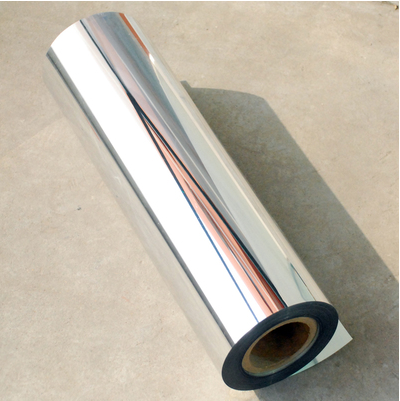
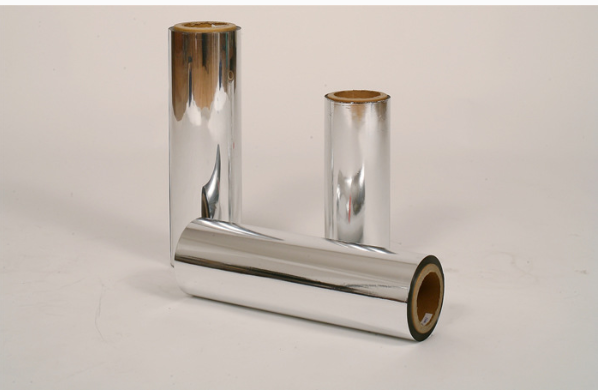
A party assortment may include individually wrapped fruit chews that are sorted by wrapper color and opened quickly. A bag of mixed pieces looks untidy if the visible ends flatten during case packing or if the foil-like accent disappears around the twist. metallized twist PET film gives the converter a metallized polyester wrapping web to evaluate on the actual candy shape and wrapping equipment.
Use Cailong's film portfolio to reach the supplier and explain that the film is for a twist wrapper, with the candy dimensions and proposed artwork included. Give the converter information on how the wrapped pieces will be packed and displayed. The approved result should be judged on the finished piece because the film, the wrapper size, and the forming sequence determine what customers see.
Route the graphic around the candy
Begin with the most common viewing position in the assortment. A wrapped piece may be more visible along its side than from the end. Place the color or variety mark where it appears on several pieces when they are poured into a bowl. If the brand uses a metallic stripe, try it on the portion that remains visible after the wrapper is formed.
Use the full candy range to make the first sample. A longer chew can place the twists farther apart, while a shorter piece can leave an extra wrapper length at each end. Check how each part appears under the same printed repeat. Where the visible graphic varies with product length, adjust the layout or divide the assortment into formats before the artwork is approved.
Qualify the film as a wrap
Cailong offers a metallized PET film for twist and decorative applications. Request the exact gauge and surface of the material under consideration. Confirm whether the converter will print the chosen face, add another material, or use it as a supplied single web. Ask for information applicable to the contact arrangement for the candy project and have the responsible team review any supporting documentation.
Compare the version with the current wrap on the same candy and equipment. A plain film can give a different appearance, and a paper-based wrapper can fold differently depending on the design. Keep the candy shape, wrap size, and artwork similar for the first comparison. Any intended fit or appearance improvement should be observed on the material as converted.
Include the wrapping sequence and roll presentation
Make samples on the intended line or from a pilot that accurately represents it. Ask the operator where the web direction and surface orientation are checked, and record the settings that are relevant to the trial. Mark samples that come from setup or a stoppage so the buyer can distinguish them from pieces made during normal running.
Watch how the wrap sits around the candy before the ends are formed. A folded edge near the center or a change in tail length may affect the position of the graphic. Ask the converter to confirm the dimensions and print repeat that give the desired pattern and the agreed length at the ends. Keep a proof that includes normal variation in production.
Compare display and bulk packing together
Use the bag or tray the assortment will ship in. Compare the wrap before packing and after normal case handling. If nearby pieces press down an end or hide a metallic accent, note where that happens. The result may change if a box is filled loosely rather than tightly. Represent the intended distribution format in the trial and retain a sample from the actual case.
Arrange the opened assortment as shown in its display. Check that customers can distinguish different flavors without needing to read every small mark. Test the lightest and darkest printed versions so background and metallic effects are visible under ordinary room light. Record which area of the wrap provides the strongest identification after handling.
Try the consumer opening
Have people open the piece as they normally would at a table or event. Ask them to identify the grip points and try opening a short and a long variant. Look for a difference between a successful line trial and a poor opening experience. If a short tail is difficult to hold, check the wrapper dimensions before changing film or graphic treatment.
Observe the candy at the same time. If the project depends on protection or a specific shelf life, test the packaged product using the brand's approved criteria. A twisted end and an enclosing outer pack each have roles in the complete presentation. Confirm which part of the packaging provides any required barrier or closure function. Retain the entire assembly for comparisons made after storage.
Order against the approved wrapper and artwork
Give the supplier the film specification, roll dimensions, direction, face requirements, and intended converting route. Send the converter the final candy dimensions and art, along with the desired location of the metallic accent. Agree on the printed repeat and specimen that will be used to check a change. Keep one flat proof and one accepted wrapped piece from the relevant run.
For future flavors, compare the artwork and candy dimensions with the retained range before assuming the same wrap size fits. The material can then be ordered with a clear reference for appearance, conversion, and opening. That gives procurement a specific film requirement and helps the wrapping line reproduce the arrangement customers will receive.
Where seasonal artwork uses a new printed background, ask for a proof on the same metallic finish before approving the new colors. View the sample with the permanent assortment so the change can be judged in the context in which it will be seen.
Keep a photograph of several accepted pieces together. Where the supplier and converter approve separately, share the same visual reference so a repeat color or surface selection can be tied to the whole assortment.
Comment