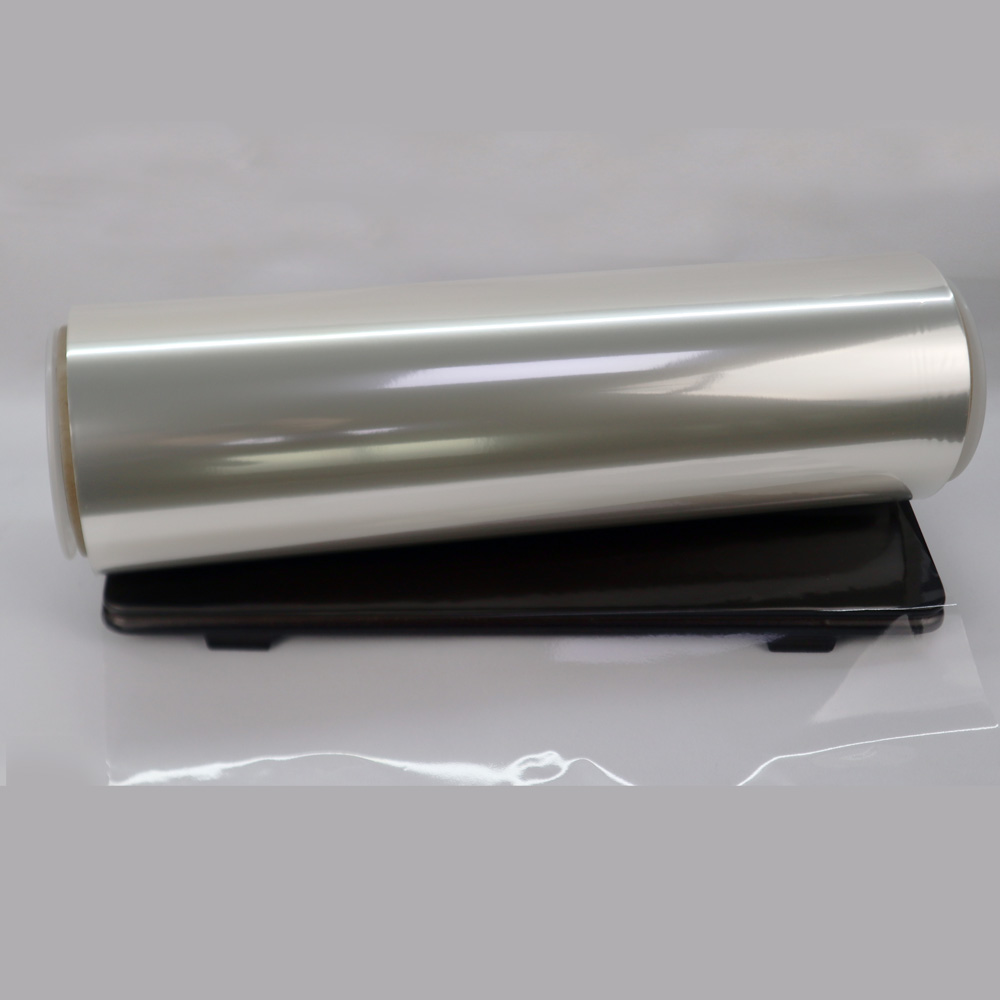
Metallized PE Film for Laundry Powder Refills
Nov 25,2026 | FOSHAN CAILONG METALLIC PACKAGING MATERIAL CO.,LTD
A powdered laundry refill is often pulled from a close carton and tipped into a reusable container. The bag must stay manageable during that transfer and should protect the powder from the conditions specified by the product owner. A buyer reviewing its opaque laminate can evaluate metallized PE film as a polyethylene-based metallized layer and determine which functions the complete refill must deliver.
Find the supplier through Cailong's film portfolio and describe the powder, dosing format, proposed material, and final opening. Include what the existing pack does successfully and where it causes complaints or processing limitations. A quote for a film web tells the buyer little about whether a tall refill will pour steadily until the converter has built the actual pouch.
Start at the laundry container
Ask the packing team and product owner to show how a person brings the refill to the reusable container. The pouch may need to rest on a bench before being opened. A broad bag filled to the top can be awkward to hold and tilt. A clear opening instruction and enough unfilled gripping area may matter more than the appearance of a flat package drawing.
Evaluate the container opening with a filled mockup. Mark where powder falls when the user first tips the new bag and where any residue collects. Test the largest and smallest packs if the project covers more than one fill. Discuss changes to the opening outline with the converter before changing the film solely to address handling.
Identify the polyethylene layer and its companion webs
Cailong offers a metallized PE film and identifies sealing applications for its product. Confirm whether the version offered will be used as a separate barrier layer or has a specified sealing surface in the agreed laminate. Ask for both faces to be identified. Have the converter draw which ply carries graphics, which is metallized, and which surfaces are put together in the proposed seam.
Compare the construction with the existing refill, which could use a polyester metallized layer or another barrier web. A change in structure may affect how the bag sits at filling and how it feels at opening. Keep the pouch size and graphics comparable for the first comparison where possible. Request a converted trial and retain the current bag as the benchmark.
Specify how powder condition will be compared
Agree on storage conditions using the destinations where the refill will be sold and held. If the powder changes with moisture, ask the product team to define the observation it will use, such as flow from the pouch or the presence of persistent clumps. Avoid relying on appearance alone where the product has a separate specified result. Use powder from the same lot across trial structures.
Request relevant film barrier evidence for the grade, methods, and conditions. Use the product owner's package study to judge the storage performance of the refill. The film data are valuable when the buyer compares layers, while the finished bag includes seams and closing features that require their own checks. Keep the relationship to the identified sample in both records.
Follow the filling sequence closely
Run the proposed packing operation with an actual dose and sample at different points. Watch for powder arriving near the closing area. If the production process has a method for controlling fines, include it in the trial and ask the operator to record any special setup. A web that seals in a clean laboratory specimen still needs assessment with the actual pouch opening and the process used by the plant.
Inspect the pouch after it is cooled and handled. Include places where the bag is grasped or compressed by case packing. Have the evaluator record which symptoms appeared before storage and which were found after moving the case. Retain representative examples of each structure so the converter can check whether an observation is tied to the web or the packaging condition.
Evaluate the retail artwork and transport format
Check the main printed face in the actual display. If the buyer wants a metallic accent, use the artwork, ink coverage, and chosen laminate in the sample. If the graphics are intended to be opaque, verify the color and readability of instructions after the pouch is filled. Look at where the sleeve, case, or neighboring item covers the text.
Use the carton configured for the refill. Check the way that heavy bags bear against each other and inspect areas that show creasing after transport. Give the finished pack shape and carton arrangement to the converter if those factors influence where the material is loaded. The print area should also be checked after the pack leaves the shipping case.
Make the inquiry specific to the finished bag
Send the grade requirements, roll form and dimensions, laminate drawing, and intended seal and opening geometry. Ask the supplier to identify the offered film and have the converter confirm whether it can produce the accepted sample on the intended line. If the brand needs a disposal statement, review it against the complete construction and applicable market before using it.
Retain a filled pack and an empty opened pouch with the trial details. The filled sample records how the storage and handling evidence was obtained. The opened sample shows how a customer actually transfers the powder. Give both to purchasing so the specification reflects the pack that was reviewed and the job the material performs.
Inspect a pack that has been carried by the intended gripping area and set it beside a control that stayed in the carton. Mark any change to the opening zone, then see whether it affects pouring. Record the results before revising the top seal drawing.
Before accepting a larger order, confirm that the quoted roll dimensions match the converting setup and that the packaged dimensions fit the case. A mismatch at either point can erase gains observed in a carefully prepared sample run.
Comment